$100 Million Energoatom Scandal Rocks Zelensky’s Inner Circle
A major bribery network in Ukraine’s energy sector sparks outrage and probes into top officials close to the president.
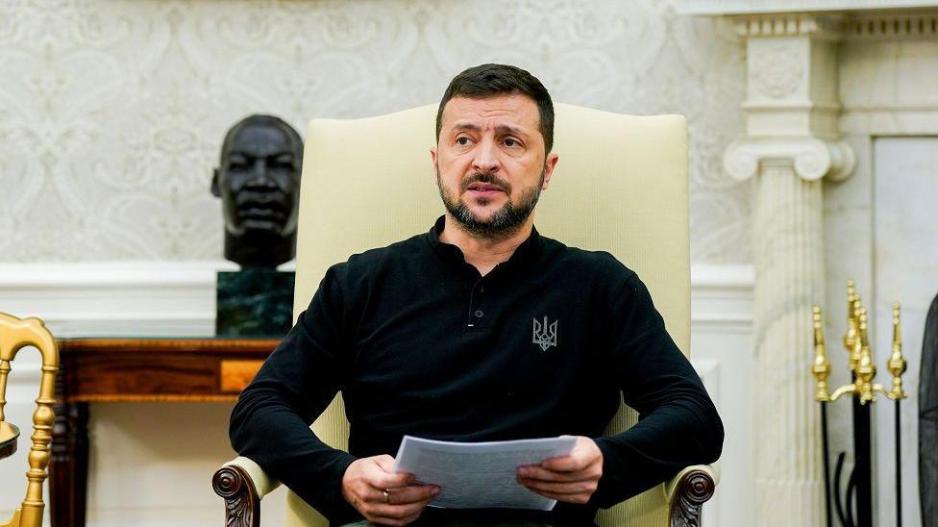
A major corruption scandal centered on Energoatom, Ukraine’s state nuclear energy company, is escalating into a political crisis that now touches the inner circle of President Volodymyr Zelensky.
On Tuesday, November 11, Ukrainian authorities charged seven individuals over a corruption scheme involving $100 million in bribes within the energy sector—an affair that has triggered widespread public outrage.
The timing could not be more critical: Ukraine is pushing hard for European Union membership and seeking financial support from its Western allies, all while facing massive Russian strikes targeting its energy infrastructure.
The allegations of large-scale bribery in the energy industry have provoked anger among Ukrainians, many of whom endure long daily power outages across the country.
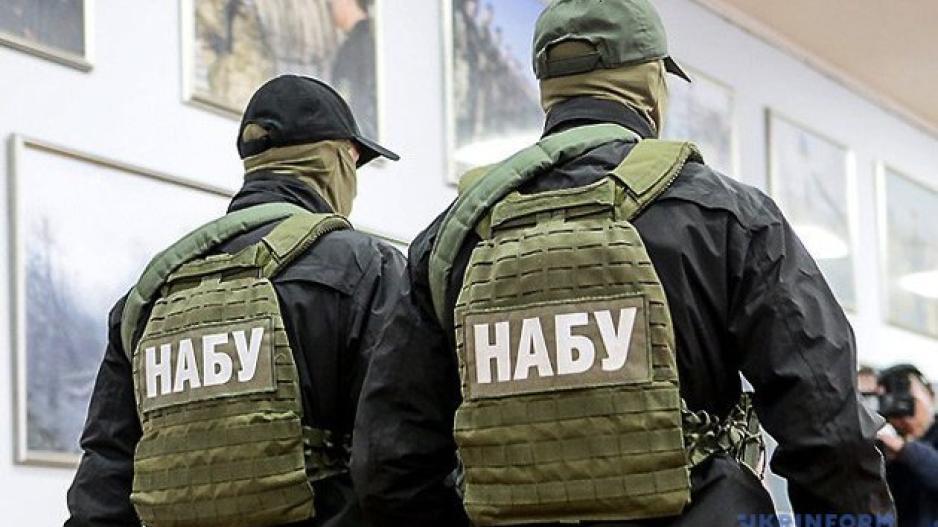
Ukraine’s National Anti-Corruption Bureau (NABU) announced the investigation on Monday, as the nation prepares for yet another winter marked by widespread blackouts. Nuclear energy remains a key source of electricity for Ukraine.
Although NABU initially did not name those charged, Ukrainian and international media outlets have identified the alleged ringleader as Tymur Mindich, a former business adviser to President Volodymyr Zelensky.
According to the Kyiv Independent, NABU agents raided premises linked to Mindich in Kyiv on November 10, but he had fled the country just hours earlier after being tipped off.
Back in July, Ukrainska Pravda cited a source familiar with anti-corruption efforts, revealing that NABU and the Specialized Anti-Corruption Prosecutor’s Office (SAPO) were preparing to file charges against Mindich.
Business sources also told the outlet that NABU and SAPO investigators managed to record Mindich in an apartment at the same address where Zelensky’s birthday had been celebrated five years ago.
President Zelensky responded to the growing scandal with a brief statement praising the anti-corruption agency’s work—without naming any specific individuals. “Any effective action against corruption is absolutely necessary. The inevitability of punishment is essential,” he said in his nightly address. “Everyone who created these schemes must face clear procedural consequences. There must be verdicts. Government officials must cooperate fully with NABU and law enforcement.”
The corruption network reportedly operated under a straightforward yet extensive plan: Companies wishing to do business with Energoatom were required to pay kickbacks worth 10–15% of their contract value. Those refusing risked being blacklisted or having their payments delayed—a system insiders dubbed the “toll gate”.
According to NABU reports:
-
5 suspects have been arrested under Article 208 of Ukraine’s Criminal Procedure Code (lawful detention by an authorized official).
-
7 individuals have been formally charged.
The accused include:
-
The businessman believed to be the ringleader,
-
The executive director of Energoatom for physical protection and security,
-
A former adviser to the Minister of Energy,
-
And 4 support office employees involved in money laundering operations.
Investigators say the group laundered around $100 million through a support office in central Kyiv, taking a percentage of every processed transaction as their fee.
The 15-month investigation included over 1,000 hours of wiretaps and 70 raids nationwide, leading to the seizure of large volumes of documents and cash.
Among the suspects, NABU later identified a former deputy prime minister, alongside the previously mentioned officials.
Ukraine’s Minister of Justice, Herman Halushchenko, who formerly served as Minister of Energy, was also questioned during the probe. His ministry confirmed the inquiry but did not clarify whether it was directly linked to the Energoatom investigation.
According to a source familiar with the case, Halushchenko’s voice was recorded in conversations with several suspects—recordings made public by NABU. Halushchenko did not immediately respond to requests for comment.