Climate Change Could Make Flights Much Bumpier
A new study reveals how global warming is intensifying downbursts — powerful wind events that pose rising threats during takeoffs and landings.
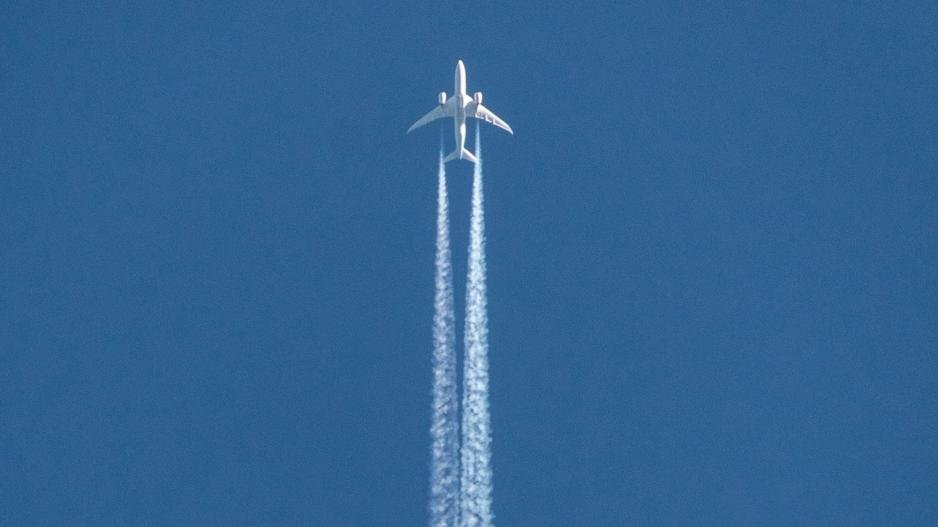
Turbulence has always been a source of fear for nervous flyers, but new research from scientists at the University of Technology Sydney warns that the phenomenon is set to worsen in the coming years due to climate change.
The researchers identified a link between extreme wind gusts and global warming. Using machine learning techniques — a branch of artificial intelligence — they discovered that heat and humidity are critical ingredients in the formation of a phenomenon known as a downburst, a violent downdraft of air that leads to powerful wind gusts.
These intense gusts can create chaos during takeoff and landing by causing dangerous altitude shifts. Based on their findings, the scientists urge aviation safety authorities and airlines to remain vigilant when operating in an increasingly warmer world.
“Our research is among the first to provide detailed evidence of the rising climate-related risk for airlines from downbursts, particularly during takeoff and landing. Airlines and aviation regulators must prepare for more frequent and stronger microbursts,” the researchers state.
While most previous studies on turbulence have focused on high-altitude threats — such as clear-air turbulence and jet stream instability — less attention has been given to turbulence risks associated with downbursts at lower altitudes. This study pivots toward these under-researched dangers.
By employing machine learning to identify the climate factors behind these wind bursts, the researchers revealed that elevated heat and humidity are directly contributing to disruptions for aircraft.
Air travel is widely regarded as a safe mode of transport, with an accident rate of only 1.13 per million flights. However, recent months have seen an increase in reports of extreme turbulence.
“Smaller aircraft, typically seating 4 to 50 passengers, are more vulnerable to the powerful wind gusts caused by downbursts. As global temperatures continue to rise, the phenomenon will likely worsen,” the study concludes.