The "Godfather of AI" Warns: AI Could Destroy Jobs and Human Dignity
Geoffrey Hinton says artificial intelligence will deepen inequality and erode the value of human work.
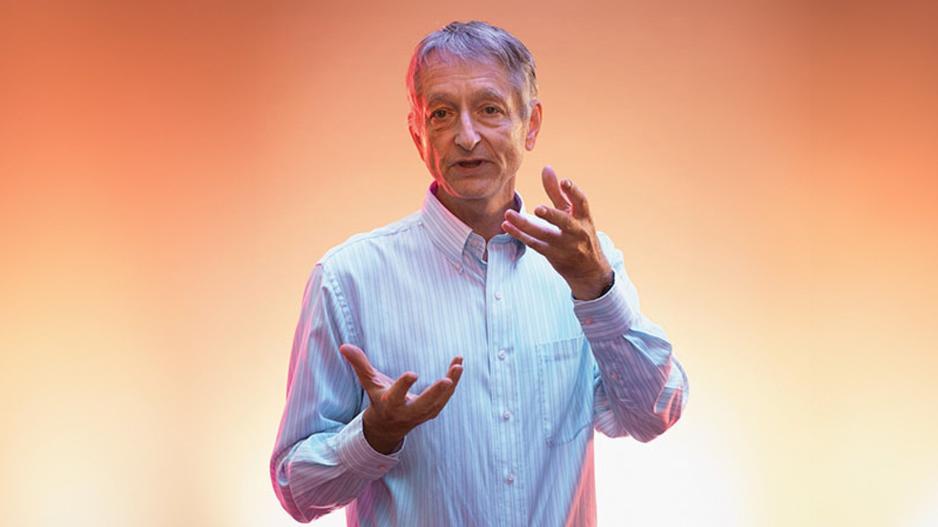
Geoffrey Hinton, one of the key pioneers behind the technology powering ChatGPT, is sounding the alarm: artificial intelligence could eliminate the very jobs it was meant to support.
“What will actually happen is that rich people will use AI to replace workers,” Hinton told the Financial Times. Known as the "Godfather of Artificial Intelligence," he added: “It will create massive unemployment and a huge rise in profits. It will make a few people much richer, and most people poorer.”

AI, Capitalism, and the Loss of Dignity
Hinton, who won the Nobel Prize for his groundbreaking work on neural networks and spent a decade at Google before leaving in 2023, stresses that the core issue is not AI itself but the system in which it operates.
“It’s not AI’s fault,” he said, pointing instead to capitalism as the driving force behind the risks.
The 77-year-old researcher rejects universal basic income (UBI) as a solution, arguing that while it may provide financial support, it cannot replace the dignity and sense of purpose people derive from work.
Tech Leaders and the Push for Universal Basic Income
In contrast, OpenAI CEO Sam Altman has long promoted UBI as a “safety net” against job loss and has funded one of the largest UBI trials in the U.S. Elon Musk has also expressed similar views, predicting that in a future dominated by AI, “probably none of us will have a job,” but UBI would allow people to focus on meaningful pursuits while machines handle work.
Investor Vinod Khosla forecasts that AI will handle 80% of the work in 80% of professions, making human labor far less valuable. He argues that UBI will be critical to prevent inequality from spiraling out of control, according to Business Insider.
Dario Amodei, CEO of Anthropic, describes UBI as “a small part” of the solution, warning that society will need to invent entirely new systems to manage the coming transformations.
Although Hinton once advised the UK government to consider UBI, he now warns that it cannot replace the sense of dignity people gain from their jobs. Having lost two wives to cancer, he still hopes AI will contribute to major breakthroughs in healthcare and education. Yet beyond these areas, he fears AI is more likely to worsen living conditions rather than improve them.
“We’re at a point in history where something amazing is happening. It could be amazingly good, but it could also be amazingly bad,” Hinton cautioned.