Beyond the $55B Deal: What EA’s Saudi Takeover Means for Gaming, Culture, and Geopolitic
EA to Go Private in $55 Billion Saudi-Backed Buyout, One of the Largest in Tech and Entertainment.
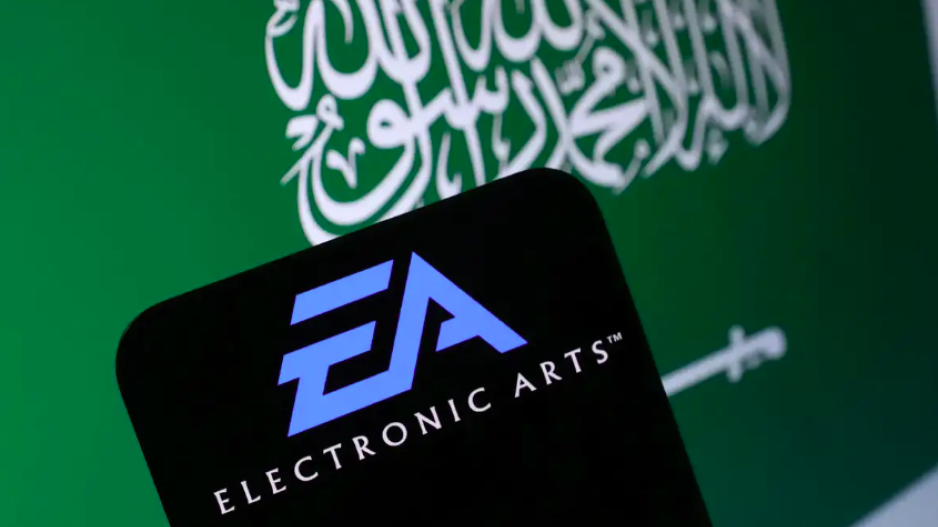
Electronic Arts (EA) has agreed to be taken private in a roughly $55 billion deal led by Saudi Arabia’s Public Investment Fund (PIF) alongside Silver Lake and Jared Kushner’s Affinity Partners—one of the largest leveraged buyouts ever attempted in tech or entertainment. The board-approved agreement values EA at $210 per share in cash, a 25% premium to the stock’s pre-deal price. The company said CEO Andrew Wilson will remain in place and EA will keep its Redwood City headquarters. Closing is targeted after regulatory and shareholder approvals, with completion guided for EA’s first fiscal quarter of 2027.
According to EA’s announcement and reporting by tech media, the transaction combines about $36 billion in equity commitments (including PIF rolling its ~10% EA stake) with roughly $20 billion of debt financing arranged by JPMorgan, around $18 billion of which is expected to fund at closing. Once finalized, EA will be delisted from public markets and operate as a private company under the consortium.
The move slots neatly into Saudi Arabia’s broader push to become a global force in games and esports via its sovereign wealth fund and Savvy Games Group, which already bankrolls the Esports World Cup and has amassed stakes across the industry. Analysts see EA—the publisher of EA Sports FC, Madden, The Sims and Battlefield—as a crown asset that can extend this strategy from esports and investments into full ownership of a top-tier Western publisher.
EA says the new owners bring capital and connections to accelerate live-service ambitions and “digital-physical” fan engagement. The company also flagged a modified investor-relations cadence—its Q2 FY26 results later this month will be released via press release only. Operationally, leadership continuity is promised, but private ownership plus significant leverage typically increases pressure for margin expansion—potentially affecting headcount, project greenlighting, and portfolio risk-taking.
The deal is already prompting scrutiny well beyond gaming. Critics frame it as another example of “gameswashing,” arguing Riyadh is using big-ticket entertainment acquisitions to launder its international image amid human-rights concerns. Others point to risks of creative or community clashes around EA’s titles, which have large global and LGBTQ+ player bases. The Guardian and Axios both note the transaction’s symbolism: a marquee American games publisher becoming a flagship asset in Saudi Arabia’s cultural-power portfolio.
While outright antitrust objections appear less likely than in a horizontal publisher-publisher merger, the cross-border, state-backed nature of the investor group means national-security reviews (e.g., via CFIUS in the U.S.) could take center stage. Approval timelines for a deal of this size typically span many months, which aligns with guidance that closing isn’t expected until EA’s FY27. Media reports also highlight the scale of debt in a higher-rate environment, which could shape post-close cost discipline.
This is a watershed moment in the globalization of the games business: one of the West’s most valuable publishers shifting to private control under a Saudi-backed consortium. It promises deep pockets for EA’s live-service future—but also invites a complex mix of geopolitical scrutiny, culture-clash risk, and the hard math of servicing tens of billions in buyout debt.