What Is Labubu—and Why Is Everyone Obsessed With It?
Labubu blends weirdness, charm, and chaos in a way that defines a new generation of pop cool.
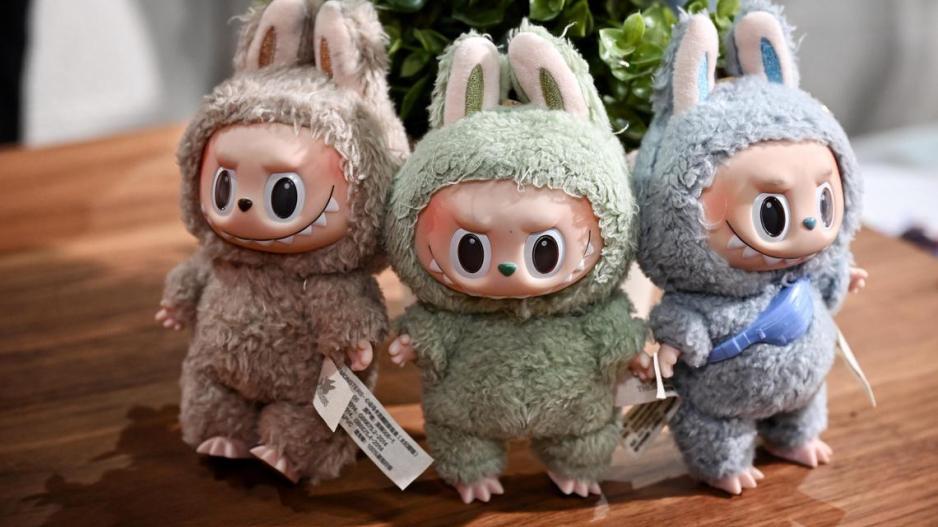
It’s not cute in the traditional sense. Not exactly beautiful either. But Labubu, with its pointed ears, nine sharp teeth, and a grin that’s both innocent and devilish, has become utterly irresistible. Created by Chinese artist Kasing Lung and produced by toy giant Pop Mart, Labubu is part of the The Monsters series — but it has carved out a space of its own: that of a collectible turned cultural icon.
Is it a doll, a brand, a mascot, or a psychological mirror of a restless generation? Labubu defies definition. It lives in a surreal universe alongside characters like Zimomo and Tycoco, in series with titles such as Fall in Wild and Have a Seat. These figures are mostly sold through blind boxes, where collectors hope to land a rare character — the coveted chaser.
Pop Mart began as a discount retail store in Beijing but exploded into a global powerhouse on the back of one idea: the thrill of the unknown gift. With figures like Labubu and Molly (by Kenny Wong), Pop Mart debuted on the Hong Kong Stock Exchange, with its shares surging by 500% within a year. Today, the brand operates in over 30 countries with hundreds of physical and robotic retail stores.
Labubu’s global takeover began in earnest after 2022, when post-lockdown China faced a collective emotional void. The quirky character became a kind of antidepressant symbol — odd yet sweet, radiating a chaos that resonated with the inner lives of many. Social media quickly amplified its fame beyond China’s borders.
The tipping point came when celebrities embraced it:
-
Lisa of Blackpink featured it on Instagram
-
Rihanna carried it in her Louis Vuitton bag
-
Kim Kardashian displayed her collection at the office
-
David Beckham was spotted with one, a gift from his daughter
From there, Labubu became a global obsession.
Even experts struggle to explain its appeal. Labubu combines unpredictable, non-traditional design, savvy marketing, and an accessible entry price, starting at around €15.
But once a collector gets their hands on one, it’s hard to stop. The elements of rarity, surprise, and a growing online community fuel a kind of addictive thrill.
Beyond its commercial success, Labubu is now seen as a tool of cultural soft power. Analyses in Xinhua and global media outlets link it to a new face of “cool” China — playful, creative, and digitally connected. As Chris Pereira, CEO of iMpact, puts it “They’re so good, you don’t even care where they come from.”