Cyprus Faces Up to 10% Drop in Tourist Arrivals Amid War – 1st Wave of Cancellations Begins
Tensions trigger mass booking cancellations, shaking Cyprus's tourism industry despite record arrivals in May.
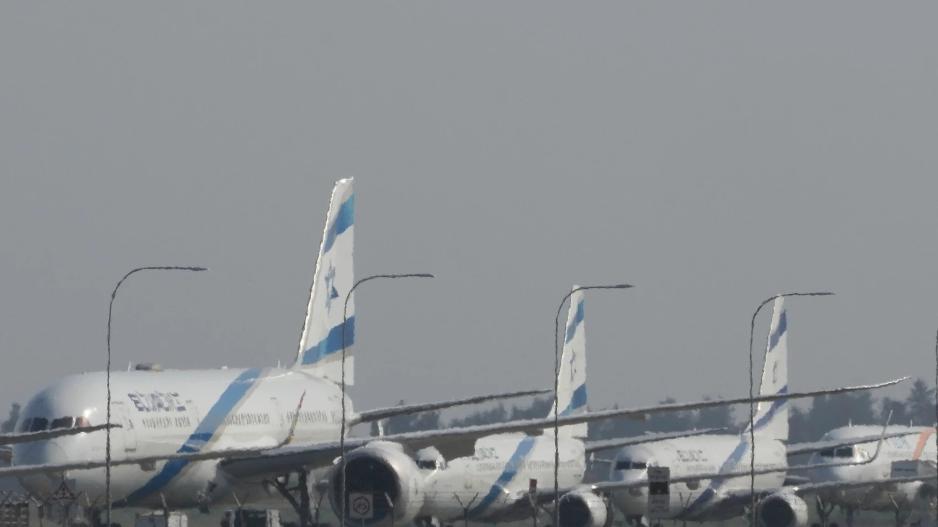
Cypriot hoteliers will have to forget about the Israeli market—at least for this year. Since the first missile strike in Tehran last Friday, followed by retaliatory attacks and escalating tensions between Israel and Iran, dozens of hotel bookings are being canceled daily.
Only a few days after the outbreak of military conflict and renewed crisis in the eastern part of the Middle East, the tourism industry has already felt the initial shockwaves. “We are facing an unfortunate situation. We're experiencing booking cancellations from Israeli tourists who had reserved rooms in Cyprus for their summer holidays,” said Akis Vavlitis, President of the Cyprus Hotel Association (STEK), speaking to Brief.
He emphasized, however, that there is currently no indication of cancellations from European markets. “Demand from European countries remains strong, and we believe the flow of European tourists to Cyprus will not be affected,” added Vavlitis.
Israel represents around 10% of total tourist arrivals to Cyprus, while its share of the Greek market stands at approximately 1.5%.
“Cyprus is no stranger to crises—be they military, economic, or health-related,” Vavlitis remarked.
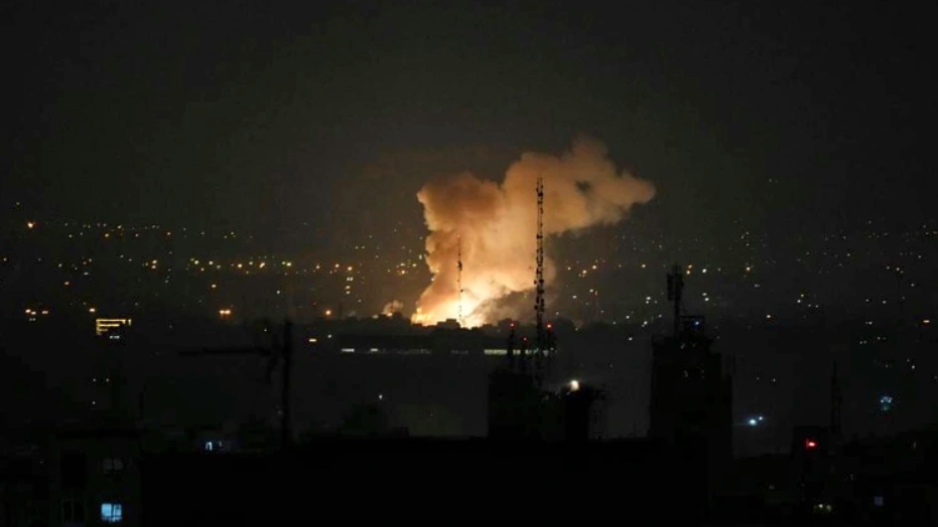
According to the STEK President, the island’s tourism sector has faced five major crises over the past seven years:
-
2019: Collapse of travel giant Thomas Cook
-
2021: Outbreak of the COVID-19 pandemic
-
2022: Russia’s invasion of Ukraine, cutting off Cyprus’s second-largest tourism market
-
2023: War on Gaza
-
2024: Israel-Iran military conflict
The situation in the Middle East remains uncertain and unpredictable, with potentially severe consequences for both the European and global economies.
What concerns analysts most is the possibility of further military escalation and the involvement of additional regional or global powers.
Such a scenario would not only impact tourism but could also affect the entire spectrum of economic activity—including the financial system and public finances.
Currently, according to tourism stakeholders, a first wave of cancellations is underway—partly due to suspended flights to and from Tel Aviv Airport.
Bookings from Israeli visitors for the month of August are already limited, and if the crisis continues, cancellations are expected to extend across all summer months.
However, representatives from all tourist regions in Cyprus report that, aside from the Israeli market, booking flows remain very satisfactory.
Vavlitis highlighted that, unlike previous disruptions, the current crisis is unfolding in the midst of peak tourist season.
“This is problematic,” he noted. “Past crises typically occurred in winter or after the summer season, which allowed for a calmer and more strategic response.”
“People in tourism often say that the industry recovers from crises relatively quickly. Experience confirms this. Travel is no longer a luxury—it’s a way of life,” he added.

On a more positive note, the Statistical Service announced yesterday the latest figures for tourist arrivals, revealing yet another record.
Arrivals in May 2025 reached 479,160, compared to 421,400 in May 2024—an increase of 13.7%. This makes May 2025 the strongest May ever recorded for Cypriot tourism.
Nonetheless, this record is overshadowed by the intensifying conflict in the Middle East, raising concerns about its potential long-term impact on global travel and tourism.