Cyprus’s Taxi System Is Running Out of Road
Demand keeps rising, licences stay frozen, and the shadow market is filling the gap.

Cyprus’s taxi and ride-hailing market is nearing saturation, according to a new Deloitte study that maps demand, supply, and policy options for the next decade. The report reveals that total rides climbed from 1.9 million in 2022 to 2.3 million in 2024, an 18.85% increase, while the number of operating licences has stayed almost unchanged at 1,893.
The imbalance is driving longer wait times, higher prices, and a growing shadow market of informal operators.
Deloitte attributes the surge to a mix of structural and demographic pressures. Cyprus stands apart from most European countries due to its high car ownership, limited public transport, and heavy congestion.
Population growth, a sharp rise in foreign residents, and a strong rebound in tourism are fuelling demand—trends expected to continue through 2030. Major upcoming events, such as Cyprus’s EU Council Presidency in 2026, are expected to add further strain.
Average wait times have now stretched to around 10 minutes.
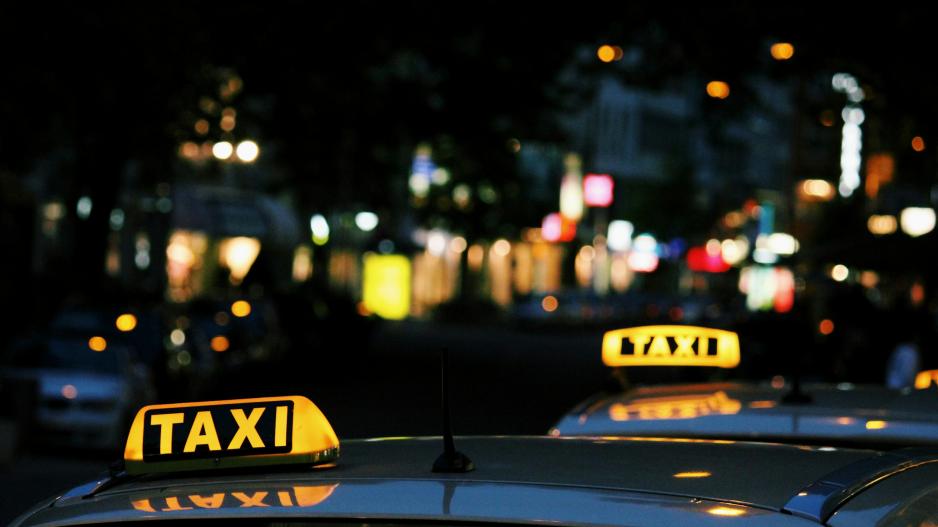
On the supply side, Deloitte highlights limited market entry, licence control, and a mismatch between active licences and certified drivers, pushing part of the sector underground.
Drivers typically report long working weeks—five to seven days, 10–12 hours daily—alongside high fixed costs including vehicle maintenance, fuel, insurance, platform commissions, and licence-related fees. These costs discourage both new entrants and compliance with formal regulations.
Two major inefficiencies dominate the system. First, the shadow market: Deloitte’s modelling suggests that legalising even 20%–60% of current informal rides would require anywhere from hundreds to over 2,000 additional licences, depending on the actual scale of unregistered activity.
Second, “deadheading”—when drivers travel empty between trips—currently stands at about 30%. Cutting this to 15% could add roughly 400,000 more rides annually, though Cyprus would still need around 300 additional legal licences to meet demand.
Looking ahead to 2030, Deloitte models multiple growth scenarios. In a baseline case tied to expected increases in population, tourism, and student numbers, Cyprus would need around 310 additional licences.
Combining this with reduced deadheading and partial absorption of the shadow market pushes the requirement much higher. Benchmarking Cyprus against European peers (excluding PHVs), Deloitte estimates the island would need 5,480–5,680 total licences—equating to 110–114 licences per 100,000 people and tourists, far above current levels.
The report finds the licensed fleet is aging and still dominated by conventional vehicles. However, there has been a recent, if modest, uptick in hybrid and electric taxis. Most vehicles remain sedans, though six-seater M1 minibuses are gaining traction as a flexible alternative.

To create a more reliable and sustainable market, Deloitte urges comprehensive reform. Key recommendations include:
-
Smart pricing systems to manage peak demand
-
Strategic licensing to balance supply and demand
-
Crackdowns on unregulated “pirate” operators through enforcement and reporting mechanisms
-
Removal of rigid geographic boundaries to improve fleet flexibility
-
Use of digital tools to reduce deadheading and optimise routes
-
Incentives for drivers—training, improved working conditions, and support for hybrid/electric transition
-
Infrastructure upgrades, including more bus lanes and charging stations