Rising Tensions in Region Push Cyprus Risk Index Higher
Fears of Attack on British Bases and UN Budget Cuts Drive Increase in Sapienta’s Cyprus Problem Risk Index
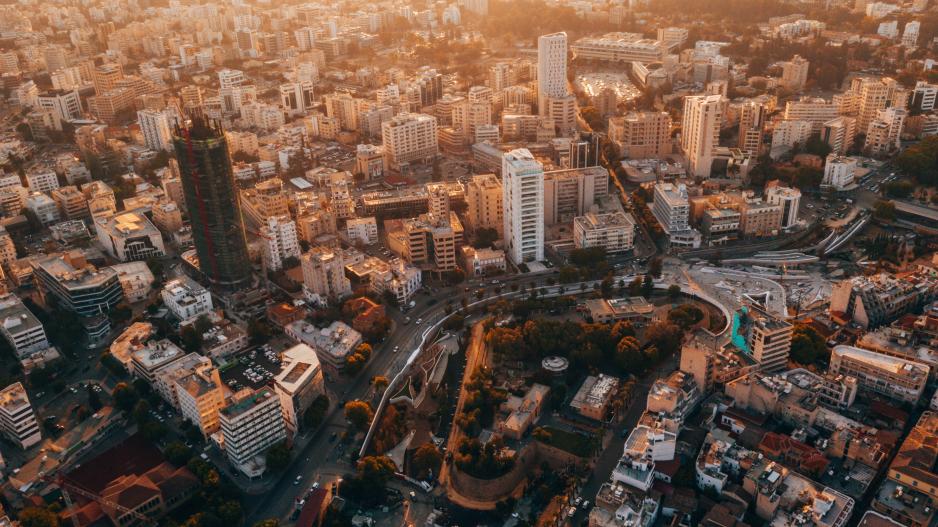
The risk of conflict or destabilisation in Cyprus has increased in early 2025, according to the latest Cyprus Problem Risk Index compiled by Sapienta Economics. The quarterly index has risen to 2.58—returning to the upper half of the “medium risk” band—amid growing concerns over regional escalation and weakened UN presence on the island.
The rise is attributed to two key factors: fears of a possible attack on the British Sovereign Base Areas (SBAs) following heightened tensions between Iran and Israel, and recent cuts to the UN’s missions in Cyprus, which play a critical role in maintaining peace and dialogue.
Sapienta Economics Director Fiona Mullen noted that the index’s increase was driven in part by the recent arrest of an alleged Iranian Revolutionary Guard member accused of spying on the SBAs. “Attempts by some countries to suggest that Cyprus or the British bases are involved in attacks on Iran raise the risk of a direct attack on the island,” she warned.

While the index has risen from 2.24 in the previous quarter, it remains lower than in the same period last year, largely due to relative stability in the UN-monitored buffer zone separating the Greek Cypriot and Turkish Cypriot communities.
However, Mullen cautioned that budget cuts to the UN peacekeeping force (UNFICYP) and the Good Offices Mission—which facilitates negotiations and backchannel diplomacy—could erode this stability. “The UN plays a vital but often quiet role in tempering inter-communal tensions,” she said.
A unique feature of the index is its “Curveball” category, which accounts for sudden, high-risk developments not captured in traditional modelling. “The risk of an attack on the British bases constitutes a Curveball risk,” Mullen explained, highlighting the unpredictable nature of regional developments and their potential impact on Cyprus.
The Cyprus Problem Risk Index is built from 10 core factors that affect the island’s political and security landscape. These include military activity in the buffer zone and offshore, regional geopolitics—particularly Turkey’s relations—and the state of UN-led peace negotiations.