What Changes for Russian Citizens Under the EU’s New Visa Rules
New visa rules scrap multiple-entry permits and tighten checks.
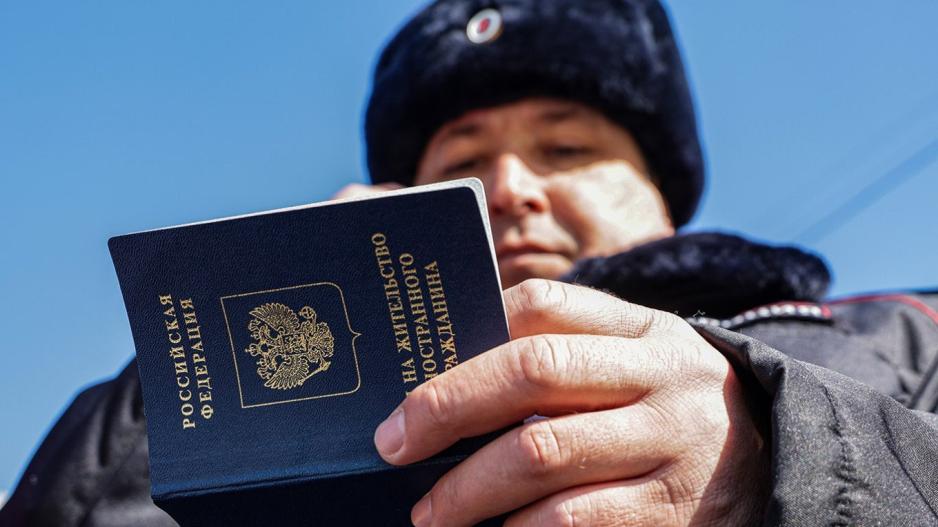
The European Commission announced the introduction of stricter visa regulations for Russian citizens, limiting multiple-entry permits and tightening security checks. The move comes in response to what the EU describes as growing “hybrid threats” and acts of sabotage on European soil.
The decision was made public by the EU High Representative for Foreign Affairs, Kaja Kallas, who stated: “Starting a war and expecting to travel freely in Europe is hard to justify.”
In her statement, Kallas linked the new visa restrictions to “repeated drone disruptions and sabotage incidents on European territory,” stressing that “travel to the EU is a privilege, not a right.”
According to European Commission spokesperson for Migration Markus Lammert, the new rules will allow for “closer and more frequent checks on applicants in order to mitigate potential security risks.”
From now on, Russian nationals will be required to apply for a new visa every time they wish to travel to the EU, except in specific cases involving Russians with close family ties in the EU, independent journalists, academics, and human rights activists.
As a result, multi-entry visas will no longer be issued to Russian citizens, meaning each new application will only allow a single entry. However, the new measures will not affect Russians already residing in the EU who currently hold valid multiple-entry visas.
Migration Commissioner Magnus Brunner echoed Lammert’s remarks, stating that the new framework will enable “tighter and more consistent screening of applicants to prevent potential security risks.”
The Commission emphasized that the rules will be applied uniformly across all member states to ensure consistent enforcement and prevent loopholes.
According to Commission data, the number of visas granted to Russian citizens has already fallen dramatically since Russia’s invasion of Ukraine in 2022—from about 4 million annually to roughly 500,000.
However, certain member states, including Hungary, France, Spain, and Italy, have seen a 10% increase in Russian visa approvals over the past year. This upward trend prompted the Commission to re-evaluate the existing visa framework and impose stricter EU-wide rules.