16% Surge in Winter Air Traffic: Network Expansion and €170 Million Investment in Airports
New destinations strengthen Larnaca and Paphos connectivity, while infrastructure projects to increase terminal capacity are in full progress.
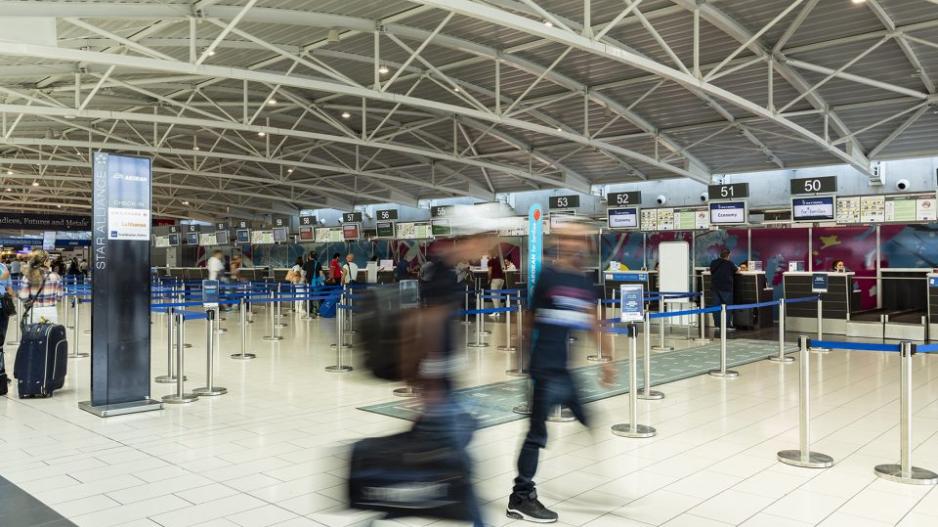
Cyprus’ air traffic is on a strong growth trajectory this winter season, recording a 16% increase during the November to January quarter compared with the same period last year. This rise reflects the strategy to enhance the island’s year-round connectivity through expanded partnerships with key airlines and the addition of new markets to the flight schedule.
At Larnaca Airport, this winter season includes flights from 30 airlines to 54 destinations across 33 countries. Of particular importance is the expansion into four new markets — Spain, Belgium, Slovakia and North Macedonia — as well as the addition of ten new routes to cities such as Barcelona, Brussels and Venice. Meanwhile, Paphos Airport serves 35 destinations in 17 countries, adding Düsseldorf and Haifa to its schedule, while the connection to Amman has also been restored.
Despite geopolitical instability in the Middle East, passenger flows to Cyprus remain, for the time being, unaffected. Cypriot airports continue to confirm their role as strategic hubs in the region, often operating as refueling points or facilitating repatriation flights when crises arise in neighboring countries.
€170 Million Investment Program
Alongside traffic growth, Hermes Airports is implementing Phase B of its infrastructure development plan, with a total investment of €170 million. The projects, fully financed by the company, aim to modernize and expand terminal facilities:
-
In Larnaca: A new wing is under construction, featuring additional boarding gates, new baggage belts, and expanded security screening and commercial areas.
-
In Paphos: Terminal capacity is set to increase by 30%, alongside the extension of the southern taxiway.
Construction works are being carried out without disrupting airport operations, with completion expected within 30 months for Larnaca and 27 months for Paphos.
Beyond infrastructure, the forward-looking strategy focuses on close cooperation with the state and tourism stakeholders. However, the duration of the Concession Agreement emerges as a critical issue, considered a decisive factor in safeguarding the sustainability of investments and attracting further interest in developing cargo transport hubs.