Audit Office Rings Alarm on Water Management
Special report warns of aging dams, costly desalination, polluted aquifers, and over 200 million cubic meters of water lost yearly.
The Audit Office of the Republic of Cyprus has issued a damning special report on the state of water resource management, warning that chronic weaknesses, delays, and mismanagement threaten the island’s long-term water security amid worsening climate pressures.
The report, published today, follows up on a 2016 audit and finds that, despite some progress, most of the problems flagged nine years ago remain unresolved .
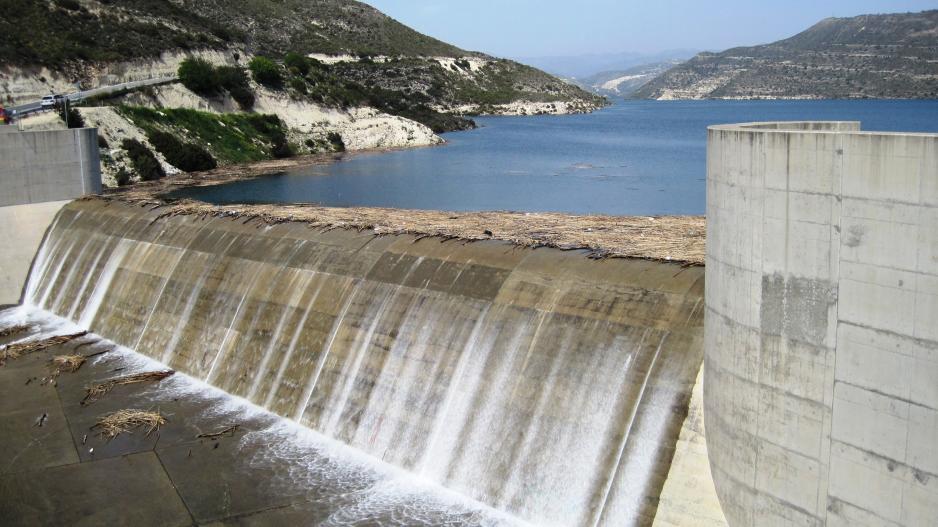
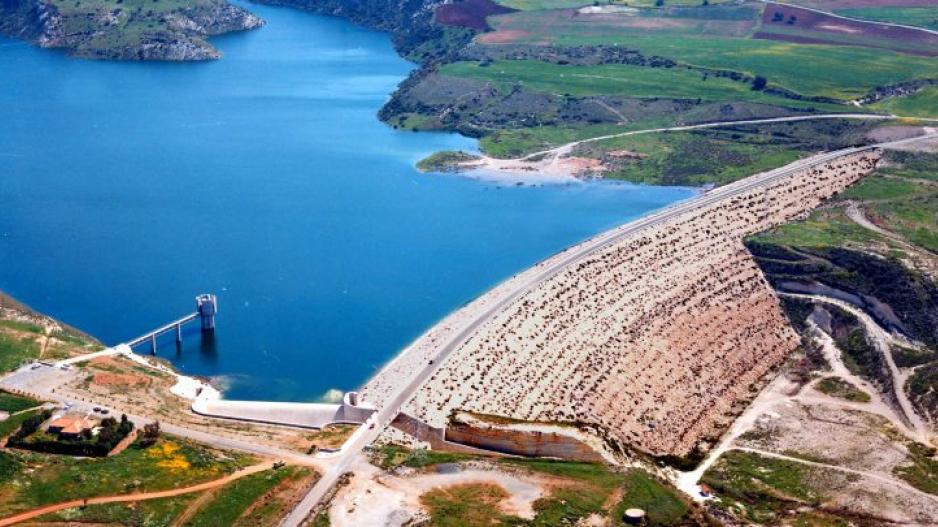
Cyprus operates over 100 dams, many of which have exceeded their designed lifespan. The Audit Office highlights serious shortcomings in dam safety management, including the absence of final safety certificates, incomplete maintenance plans, and the lack of independent inspections. Although some improvements have been made, such as annual reporting and training initiatives, large reservoirs like Kouris still lack updated failure maps and comprehensive risk assessments.
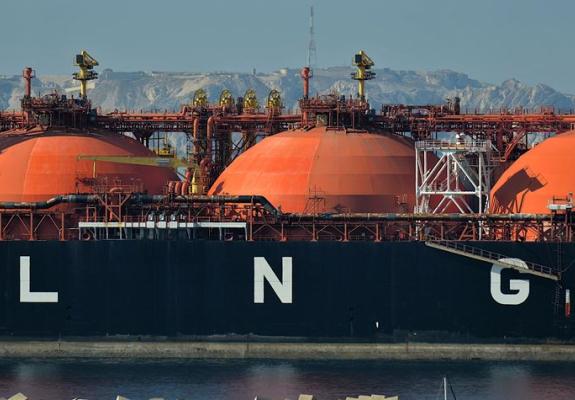
Desalination has become a lifeline for Cyprus, ensuring water supply during prolonged droughts. Five plants have been built, though the Paphos facility was destroyed in a 2024 fire. While these plants boost supply, they come with environmental costs. The discharge of brine has been linked to seabed damage, while desalinated water’s high corrosivity poses risks for infrastructure. Moreover, desalination drives up costs for consumers, raising questions about cost-benefit efficiency .
The report warns that 64% of Cyprus’s underground water bodies are in poor condition, plagued by nitrate pollution, animal waste, and seawater intrusion. Oversight remains inadequate, and permits for borehole drilling continue to face delays.
The national water balance remains volatile, with supply-demand gaps fluctuating sharply due to rainfall variability. Agriculture consumes nearly 60% of total water demand, despite contributing just 2.3% of GDP, a mismatch the Audit Office suggests requires policy reconsideration. The €1.5 billion 15-year Water Development Plan has seen only 14 of its 60 projects completed, with weak financial monitoring and significant delays in irrigation networks such as Solia.
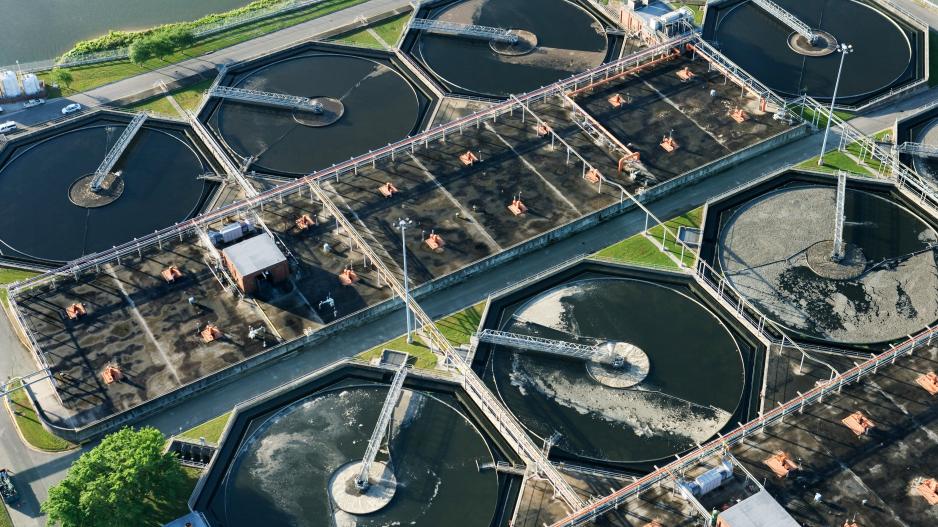
Perhaps the most alarming finding concerns water losses. In 2023, unbilled water losses across local water boards exceeded 29%, with annual wastage estimated at more than 200 million cubic meters nationwide. Aging networks, some over 50 years old, are the main culprit. The Audit Office urges urgent replacement programs and stricter maintenance regimes.
Despite EU directives, Cyprus has been slow to update its River Basin and Flood Risk Management Plans, submitting them two years late and drawing infringement procedures from the European Commission. Meanwhile, a 2009 study on rainwater harvesting remains largely unimplemented, leaving a valuable resource underutilized .
General Auditor Andreas Papaconstantinou concludes that Cyprus needs coordinated action, political will, and full compliance with EU obligations to safeguard its water future. “The prolonged drought period the country is experiencing offers a window of opportunity for preparation and maintenance works, particularly on dams,” he stresses.