Chevron’s Deep-Sea Surveys in Cyprus’ “Aphrodite” Field: Mapping the Route for the Gas Pipeline
Specialized vessel conducts seabed mapping and geophysical scans in Block 12.
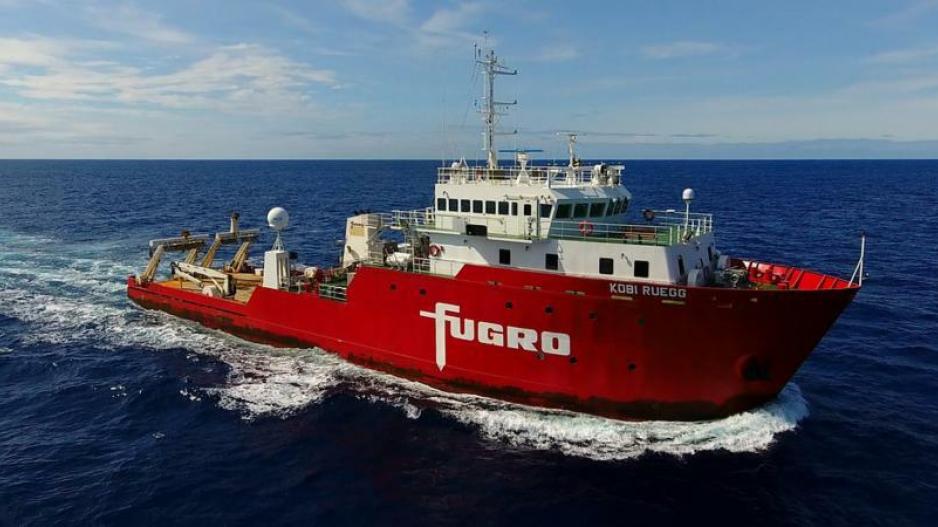
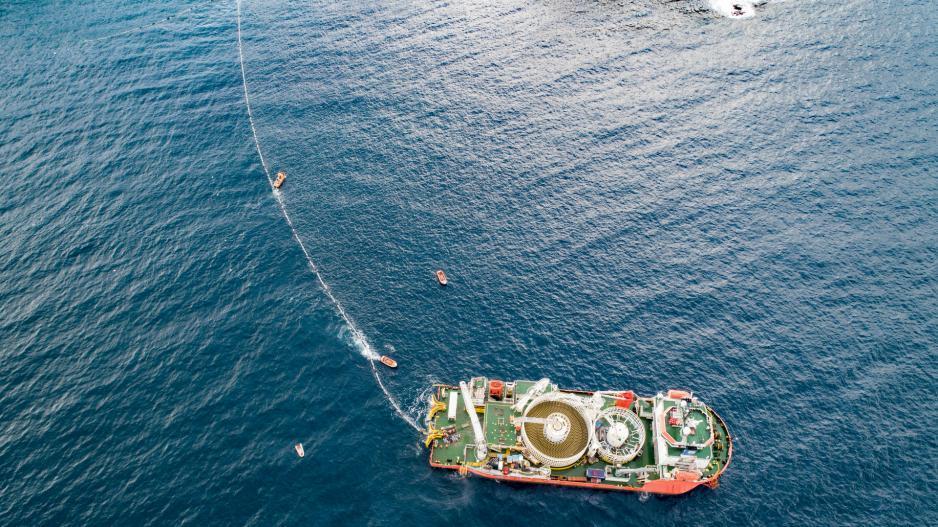
The specialized research vessel KOBI RUEGG is currently carrying out seabed mapping, underwater geophysical surveys, and technical data collection in Cyprus’ Exclusive Economic Zone (EEZ), within Block 12, directly above the “Aphrodite” natural gas field. This project forms part of a broader development investment estimated at $4 billion.
As Brief reports, at this stage, Chevron’s vessel, under strict monitoring, is documenting seabed characteristics and assessing potential risks to ensure that the future pipeline connecting the “Aphrodite” field to Egypt’s gas processing facilities will be safe and environmentally compliant. Every movement is tracked in real time through AIS systems, guaranteeing full oversight of operations and continuous updates to the involved stakeholders.
According to a source from the Ministry of Energy, the surveys are expected to be completed by autumn 2025. The findings will likely give the “green light” for the next stage—the construction of the subsea pipeline linking “Aphrodite” to Egypt—marking one of the region’s most significant energy initiatives in recent years.
Upon completion of the vessel’s mission, the seabed will be fully mapped, its geological characteristics analyzed, potential risks and obstacles identified, and environmental implications as well as technical requirements thoroughly evaluated.
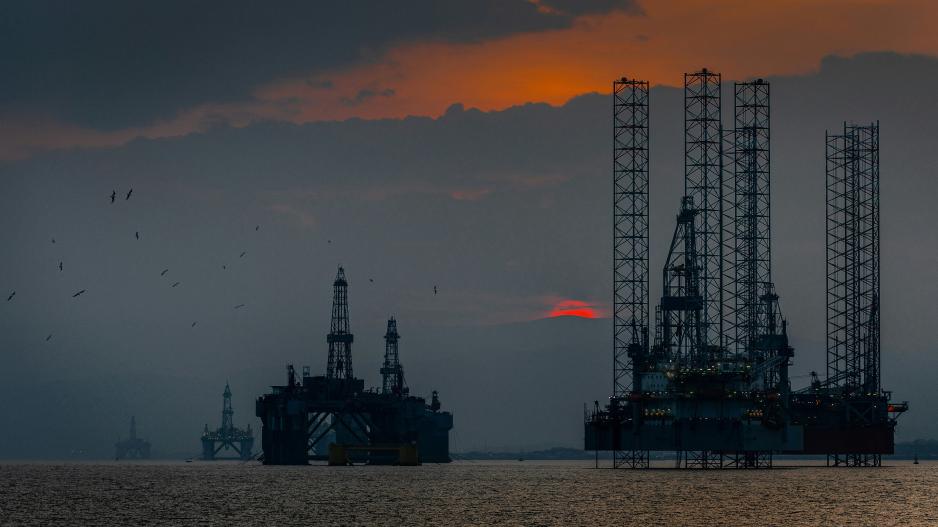
Once the collected data is analyzed, the exact route of the subsea pipeline will be determined, taking into account technical and environmental parameters revealed during the surveys. These insights will form the basis for a detailed construction study, ensuring the project’s safety, stability, and long-term viability.
Subsequently, installation of the pipeline will begin, connecting “Aphrodite” with Egypt’s gas processing infrastructure—a strategic step toward strengthening energy cooperation and security in the Eastern Mediterranean. This phase is expected to take 2–3 years, with first gas production projected around 2027–2028.
Meanwhile, Chevron and its partners, in collaboration with the Cypriot and Egyptian authorities, will finalize the technical specifications and environmental permits for the project. Feasibility and safety studies will continue, alongside discussions on procurement of materials, naval support, and training of the workforce required for installation.
Once the design and preparatory works are completed, pipeline construction will commence, involving seabed pipe-laying, durability testing, and installation of monitoring and control systems.
Following completion, the pipeline will become operational, enabling the export of natural gas from the “Aphrodite” field to Egypt’s processing facilities. The start of commercial production is expected to strengthen the strategic energy positions of both Cyprus and Egypt in the Eastern Mediterranean gas market.
Chevron, which holds a 35% stake in the Aphrodite field (alongside Shell 35% and NewMed Energy 30%), is the lead operator. Located in Block 12 of Cyprus’ EEZ, about 160 kilometers south of Limassol, the field is a central pillar of Chevron’s regional operations.
The Cypriot government has approved the revised development plan, which includes the construction of a floating production unit and an export pipeline to Egypt. Chevron is committed to completing the pre-FEED study by November 2025 and the final development plan by end of 2026.
Turkey has repeatedly expressed opposition to energy projects within Cyprus’ EEZ, viewing them as a threat to regional stability. Its presence remains visible through naval activities and aerial patrols in the area.
Chevron is the only energy company active simultaneously in Cyprus, Israel, Egypt, and Greece. In Israel, it operates the Leviathan field, one of the largest offshore natural gas fields in the region.
In Egypt, Chevron recently expanded its presence by securing exploration rights in the offshore West Star block, located south of ExxonMobil’s Cairo and Masry fields, near the Cypriot border—a strategically vital area for energy development in the Eastern Mediterranean.
In Greece, Chevron has partnered with Helleniq Energy for natural gas exploration in four offshore blocks south of Crete and the Peloponnese. Their joint bid was submitted on September 10, 2025, under the Greek Ministry of Environment and Energy’s licensing round. Chevron also continues collaborations with Shell and NewMed Energy across the region.