Cyprus 2026 Budget Heads to Final Vote
Critics warn the numbers don’t translate into relief on housing, electricity and inequality.
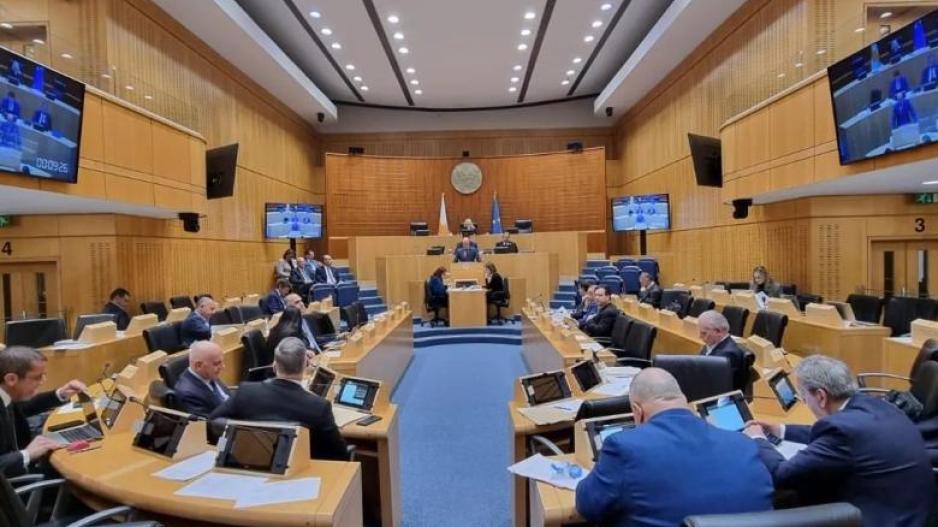
Cyprus’ 2026 state budget enters the parliamentary spotlight on Monday, December 15, as the House of Representatives begins a three-day debate ending with a final vote on Wednesday, December 17.
The process goes beyond a technical approval of figures. With parliamentary elections scheduled for May 24, 2026, the debate is widely viewed as the last major economic confrontation of the current legislature, offering parties a platform to outline priorities and sharpen pre-election narratives.
According to the Finance Committee’s report, the general government budget for 2026 provides for:
-
Revenues: €16.488 billion, up 4.5% from 2025
-
Expenditures: €15.361 billion, an annual increase of 5.3%
For the central government (excluding financial flows), projected revenues reach €10.784 billion, up 11.1% from 2025, while expenditures rise to €11.365 billion, an increase of 2.8%.
Regular and development expenditures requiring parliamentary approval amount to €9.963 billion, while total projected spending reaches €13.719 billion, including €3.755 billion from the Fixed Fund, which does not require legislative approval.
Government priorities focus on maintaining a fiscal surplus, reducing public debt, advancing the green and digital transitions, supporting sustainable growth and containing public-sector employment.
The Finance Minister submitted 61 government amendments to the budget, aiming to adjust or transfer appropriations and address operational and staffing issues, without affecting overall expenditure ceilings for 2026 or the Medium-Term Fiscal Framework 2026–2028.
However, the Finance Committee declined to approve amendments related to the creation of a General Directorate of Civil Protection under the Interior Ministry, citing the absence of the required legislative framework.
Despite international uncertainty, the Finance Committee expects Cyprus to maintain positive growth, albeit at a slower pace in 2025 and moderate rates through 2026–2028.
It notes that the budget balance remains surplus, public debt is on a firm downward path — with projections placing it below 60% of GDP within 2025 — while inflation is expected to stabilise around 2% and unemployment near 4.5%, close to full employment.
At the same time, the committee highlights ongoing challenges related to income inequality, the cost of living, housing affordability and energy prices.
The 2026 state budget is expected to be approved by a parliamentary majority, with AKEL indicating it will vote against.
-
DISY welcomes growth, falling debt and credit rating upgrades, but criticises delays in reforms and major investments, warning against risks from a rising public payroll and a full return of COLA/ATA.
-
AKEL argues that fiscal surpluses lack social impact, saying the budget fails to adequately address the cost of living, housing and energy poverty.
-
DIKO sees the budget as reinforcing stability and resilience, while flagging risks linked to housing, health and competitiveness.
-
EDEK supports macroeconomic stability but calls for a shift toward innovation, green growth and more people-centred policies.
Tensions are expected to rise during the three-day debate, which many see as the informal launch of the election campaign. President Nikos Christodoulides is considered confident of securing approval, as in previous years, despite the government lacking a formal parliamentary majority.
Last year’s 2025 budget passed with 37 votes in favour and 18 against, reflecting a similar alignment that is expected to repeat itself in the vote on December 17.