Cyprus and Lebanon Seek World Bank Review for Power Project
Feasibility study to determine the viability and regional impact of a future electricity interconnection.
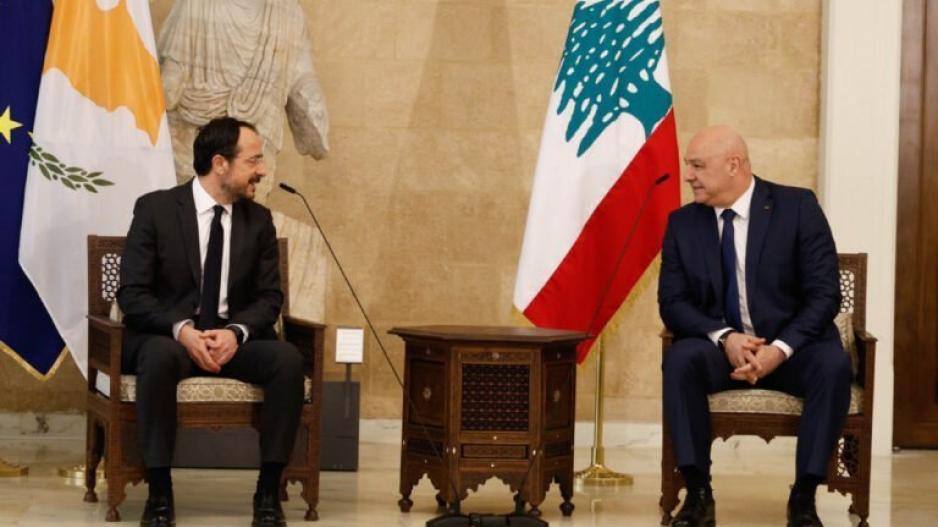
In a significant move toward regional energy cooperation in the Eastern Mediterranean, Cyprus and Lebanon have jointly submitted a request to the World Bank for a comprehensive and independent Feasibility Study on an electricity interconnection between the two countries.
If approved, the study will mark a critical first step in evaluating and potentially implementing a project with notable geopolitical and economic implications. Although the initiative is being promoted jointly, each country’s motivations differ.
According to Brief, Lebanon continues to experience a chronic energy crisis, characterized by frequent power outages and a severely constrained electricity grid. Beirut views the proposed interconnection with Cyprus as one of the few realistic avenues for stabilizing its electricity system, improving supply security, and gaining access to more reliable and potentially lower-cost energy sources.
For Nicosia, the project aligns with its broader strategy to position Cyprus as an energy hub in the Eastern Mediterranean. At the same time, a potential power link with Lebanon would further strengthen Cyprus’ role as a stabilizing and cooperative force in the region.
The World Bank is expected to examine:
-
The available technological options for the submarine cable
-
Construction costs along the proposed marine route
-
The required transmission capacity
-
Technical specifications to ensure the safe operation of the interconnection
The study will also include a full Cost-Benefit Analysis (CBA), assess economic viability, and evaluate potential pricing and financing models. The core objective is to determine whether the project is economically feasible and what its long-term return could be.
In addition, the World Bank will assess the legal and regulatory frameworks of both countries, recommend any necessary amendments, and explore suitable governance structures—whether through a joint entity, cooperation between national grid operators, or another model that ensures transparency and efficiency.
Special attention will be given to the geopolitical and political instability of the region. The study will analyze risks related to Lebanon’s political situation, regional tensions, the security of the submarine infrastructure, and the measures required to protect potential investments.
Through their joint request to the World Bank, Cyprus and Lebanon aim to secure an independent, technically sound, and internationally recognized assessment of whether the electricity interconnection project can move forward, the most suitable implementation model, and the real risks and prospects involved.
It is worth noting that this feasibility study is a prerequisite for the project’s inclusion in the Mediterranean Transmission System Operators (MED-TSO) listings and for potential funding from international institutions.
Although the final content of the study will be determined by the World Bank in line with international interconnection standards, it is expected to cover the optimal submarine cable route and length, required transmission capacity, technical specifications (including cable type and voltage), and necessary grid reinforcements in both Cyprus and Lebanon to accommodate the power flow.