Cyprus Battles the Clock to Secure Water Next Summer with Three New Desalination Units
Τhe three units—likely located in Limassol, Larnaca, and Famagusta—will each have a capacity of 10,000 m³/day.
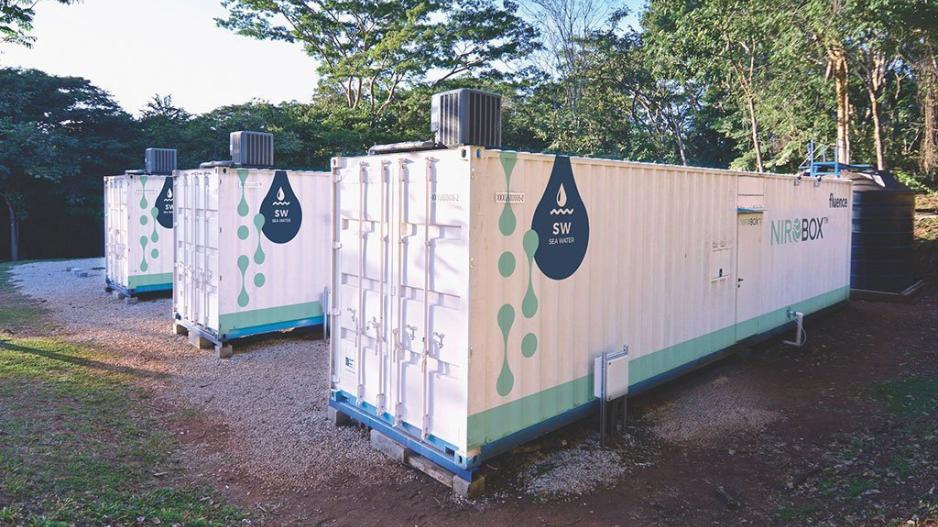
“Emergency measures” to support Cyprus’ water supply network next summer are expected from temporary desalination units with a total daily capacity of 30,000 cubic meters.
The Water Development Department is preparing to launch three separate tenders on October 15, 2025 for the installation, operation, and maintenance of these temporary units. The project is of high importance, aiming to meet rising demand for potable water, which is worsening due to prolonged drought and climate change.
According to information obtained by Brief, the three units—likely located in Limassol, Larnaca, and Famagusta—will each have a capacity of 10,000 m³/day. The schedule is strict: construction and installation must be completed within 4–6 months, so the plants can be operational no later than May 2026.
The units will run for five years, with contractors responsible for full maintenance and uninterrupted production. These are not permanent facilities but short-term emergency solutions.
The cost of the new tenders, covering both construction and five-year operating expenses, will be announced on October 15, 2025. Contractors will be compensated based on the volume of water delivered to the Water Development Department, with part of the funding expected from EU resources.
Experts note that because the units are temporary, the cost per cubic meter will be higher compared to permanent facilities. However, the government considers the “price of security” preferable to the risk of another water crisis that could impact the economy, tourism, and daily life.
Tenders will be launched via the eProcurement platform, with interested suppliers already preparing bids under tight deadlines.
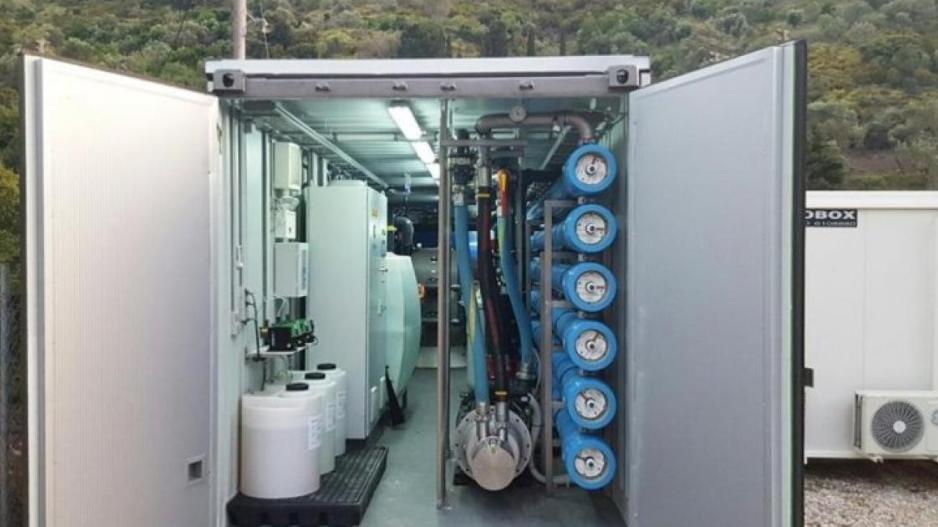
Temporary desalination units are designed for short- to medium-term operation. Unlike permanent facilities integrated into the water network, these are mobile or modular plants that can be deployed quickly, usually within a few months.
-
Operate typically for 3–5 years before removal or replacement.
-
Can be relocated depending on water demand.
-
Require minimal infrastructure (pipelines, pumping stations, storage tanks, connections to the network).
Currently, Cyprus operates two permanent desalination plants:
-
Larnaca Desalination Plant – 60,000 m³/day capacity.
-
Dhekelia Desalination Plant – 50,000 m³/day capacity.
Together, they cover around 70% of Cyprus’ potable water needs.
In addition, temporary units have been deployed in the past to address severe droughts, often sourced through international partnerships. In 2025, for example, the UAE donated mobile desalination plants to help meet water demand during the peak tourism season.
The upcoming temporary units are expected to be installed at key sites, including:
-
Port of Limassol – to strengthen local water supply.
-
Garyllis area (Limassol) – planned unit to be operational by December 2025.
-
Paphos (Kissonerga, Peyia) – units to meet rising demand in tourist areas.
-
Moni (Limassol) – near the EAC power station, with 15,000 m³/day already in place.