Emergency G7 Talks on Energy Crisis Amid Middle East War
Uncertainty Over the Duration of the Conflict and Its Impact on the Global Economy.
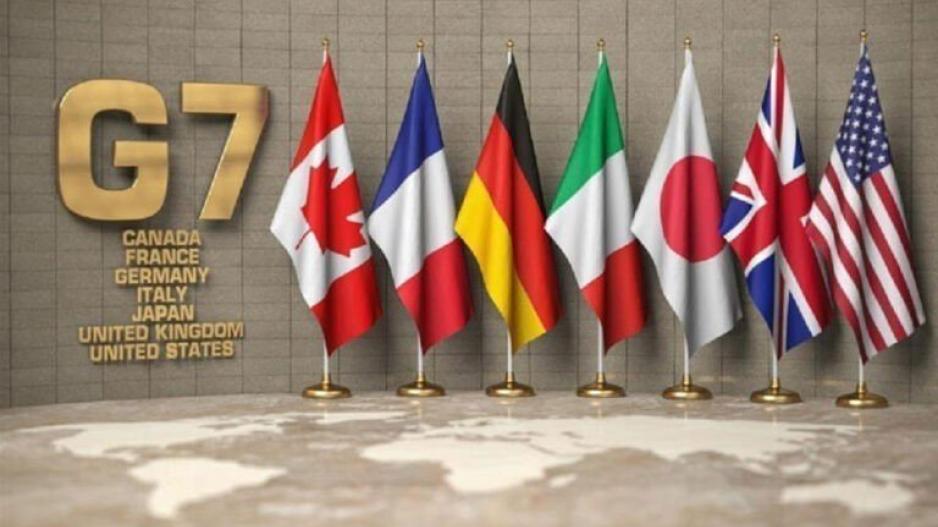
Finance ministers from the G7 are holding emergency talks today to address the economic consequences of the escalating conflict in the Middle East, as oil and natural gas prices continue to rise.
The initiative, announced by the French government, comes during a period of significant turmoil in global energy markets, following attacks launched by the United States and Israel against Iran in late February and Tehran’s subsequent response. Iran targeted regional countries that export crude oil and halted shipments through the Gulf, placing considerable pressure on global supply.
The disruption of energy flows has triggered ripple effects across supply chains, impacting multiple sectors of the economy and intensifying inflationary pressures worldwide.
The G7 meeting will take place via teleconference and will bring together finance and energy ministers, central bank governors, as well as heads of international organizations. According to French Finance Minister Roland Lescure, the aim is to exchange views on the crisis’s impact on financial markets and the global economy.
He noted that there are already differences in how countries are responding, mainly due to varying levels of exposure to the crisis, with Asia appearing particularly vulnerable. He also emphasized that this represents an unprecedented form of coordination, marking the first time in roughly half a century that the G7 has convened in such an expanded format.
The G7, which includes the United States, Canada, the United Kingdom, France, Germany, Italy, and Japan, plays a key role in coordinating economic policies among the world’s most advanced economies. The United States has already called on the group to support efforts to restore free navigation in the Strait of Hormuz following the blockade imposed by Iran.
In a joint statement last week, G7 foreign ministers described the restoration of free passage through this critical maritime route as an “absolute necessity” and called for an end to attacks on civilian infrastructure.
At the same time, governments around the world are taking measures to mitigate the impact of the energy crisis, but uncertainty over the duration and scale of the conflict is making it difficult to design coherent policies.
U.S. officials, including President Donald Trump, have stated that military objectives are close to being achieved, while thousands of American troops have been deployed to the region.
The human cost of the conflict remains high, with activists reporting more than 3,000 deaths in Iran, over half of them civilians, while more than 1,000 fatalities have been reported in Lebanon. However, officials in Israel and Gulf countries present lower figures, reflecting the difficulty of verifying data amid ongoing war.
Source: CNA