EU Council Adopts New Rules to Shield Steel Market from Global Overcapacity
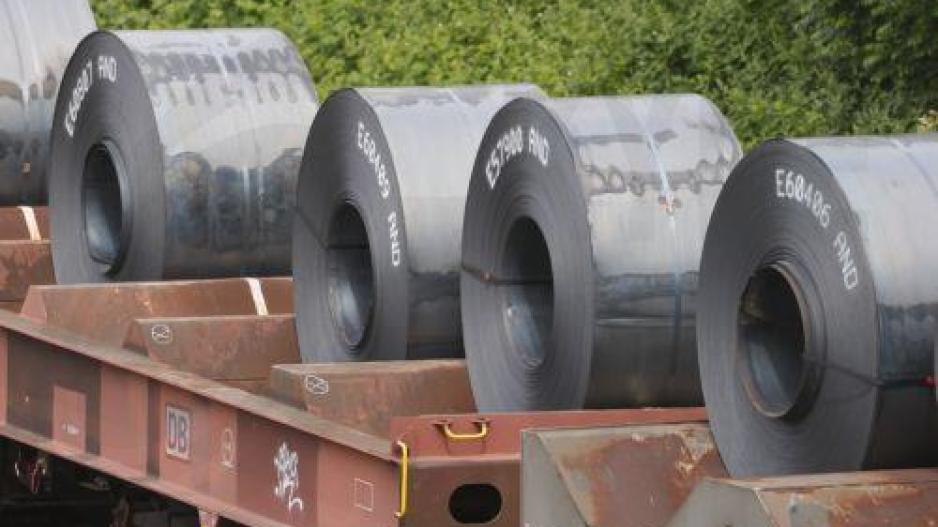
The Council of the EU under the Cyprus Presidency, has adopted a new regulation establishing a strengthened framework to protect the EU steel market from the adverse trade effects of global steel overcapacity. The measure forms part of the Steel and Metals Action Plan 2025 and will replace the current EU steel safeguard regime, which expires on 30 June 2026.
The new framework introduces a revised tariff-rate quota (TRQ) system designed to address the impact of structural global overcapacity. Key changes include lower import quotas and higher duties on steel imports exceeding those quotas, while maintaining flexibility for economic operators and ensuring adequate supply for downstream industries.
The regulation also enhances transparency through the introduction of the “melt and pour” requirement, which identifies the country where steel was first melted and poured into its initial solid form. In addition, it establishes a strengthened review mechanism allowing the European Commission to assess the effectiveness of the measures and propose adjustments in response to changing market conditions.
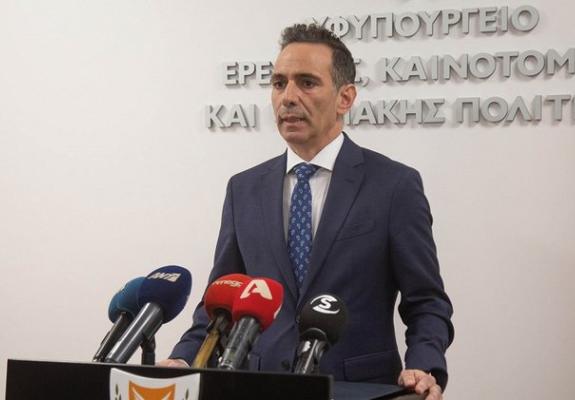
Commenting on the adoption, Cyprus’ Minister for Energy, Commerce and Industry, Michael Damianos, said in a written statement that “steel is indispensable to Europe's industrial base, its green transition and its security."
"With today's adoption, the EU is putting in place a stronger framework to respond to global market distortions, protect fair competition and provide greater certainty for both steel producers and downstream industries,” he pointed out.
The regulation is accompanied by a joint declaration from the Council, the European Parliament and the European Commission reaffirming their commitment to reducing economic dependencies on Russia. The institutions highlighted ongoing efforts to diversify steel imports and gradually phase out Russian steel products.
The EU steel industry, the world’s third-largest producer, directly employs around 300,000 people and plays a critical role in sectors ranging from clean technologies to defence. However, the industry continues to face mounting pressure from global overcapacity, which is projected to reach 721 million tonnes by 2027, more than five times the EU’s annual steel consumption.
The regulation will be published in the Official Journal of the European Union and will apply from 1 July 2026.