GSI: Nicosia and Athens Lock Their Negotiating Positions – Attempts to Ease Public Tensions
Meanwhile, the European Commission has reiterated its commitment to the project.
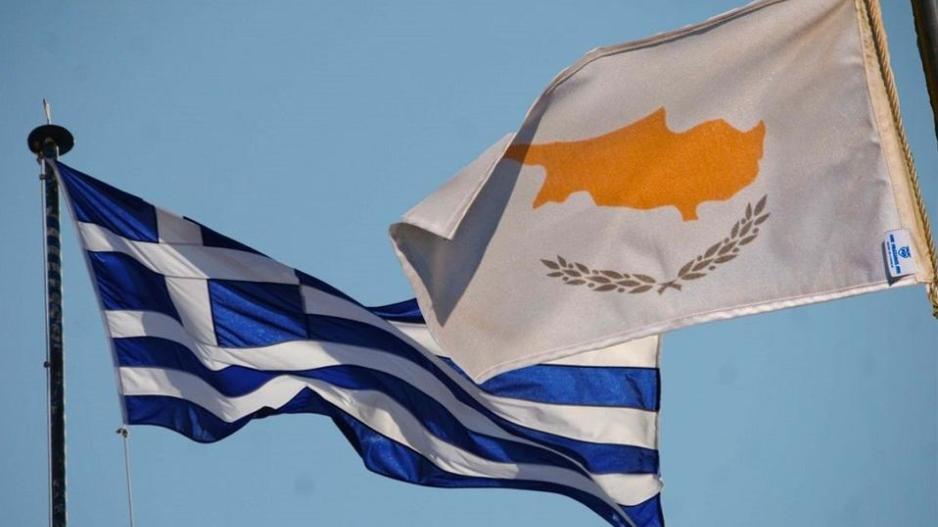
The long-awaited Great Sea Interconnector — the electricity cable meant to connect Cyprus, Greece and Israel with mainland Europe — remains mired in political and technical disagreements, even as both Nicosia and Athens insist they want the project to move forward.
At the heart of the dispute is the cost-sharing arrangement between the two countries and the slow pace of progress by the project’s implementing body. While the European Commission continues to highlight the project as a priority for ending Cyprus’s energy isolation, the lack of seabed surveys and other preliminary works has fueled public friction.
Greek government spokesperson Pavlos Marinakis recently underlined Athens’ support but stressed that Greek taxpayers cannot be left to shoulder the entire burden. “This is a very important project for Cyprus, for us, and for Europe. We support it, but cost-sharing cannot be ignored. A project so vital for Cyprus cannot be paid for solely by the Greek taxpayer,” he said.
Nicosia, in turn, has pushed back against suggestions that it is holding up the project. Deputy government spokesperson Yiannis Antoniou said Cyprus is prepared to release €25 million in funding once ADMIE proves that work is genuinely under way. He pointed out that essential seabed surveys have not yet been carried out and argued it would be unfair for Cypriot citizens to bear blame for delays. “We are ready to honor our commitments,” Antoniou said, adding that Cyprus’s broader energy strategy rests on three pillars: natural gas, renewables, and interconnection.
Foreign Minister Constantinos Kombos echoed this stance, calling for the public debate to cool down. Speaking on state radio, he emphasized that “statements should be made with restraint” and urged both sides to intensify technical and political dialogue rather than trade accusations. He confirmed he is in daily contact with his Greek counterpart, Giorgos Gerapetritis, and stressed that the interconnection with Israel must also remain on the table.
Meanwhile, the European Commission has reiterated its commitment to the project. Commission President Ursula von der Leyen has twice in recent weeks spotlighted Cyprus’s interconnection as part of new “Energy Highways” and “Energy Corridors” initiatives designed to remove bottlenecks across the EU’s electricity grid.