Tax Shake-Up, Surplus, and Storm Clouds: Inside Cyprus’ 2026 Budget
Keravnos promises “fairer” tax burden as watchdogs flag risks from wage bill, GSI and Vasilikos.

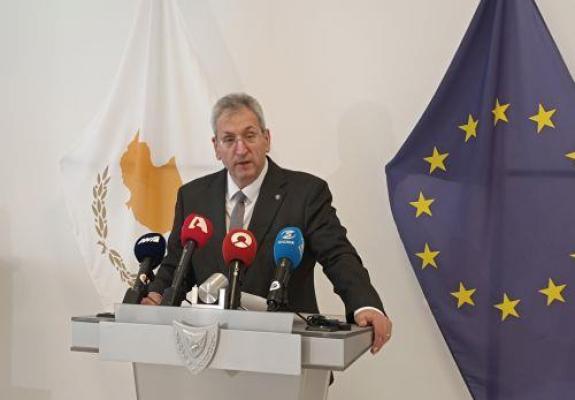
Finance Minister Makis Keravnos presented the Cyprus 2026 budget and its companion tax reform in Parliament’s Finance Committee, projecting continued growth, declining public debt and primary surpluses—while acknowledging a thicket of risks from non-discretionary spending to energy megaprojects.
Keravnos said the tax reform is nearly complete and will be tabled to the House “within the month, or at the latest next month,” after legal vetting. Its core aim, he stressed, is to keep overall state revenues stable while redistributing the tax burden more fairly, with positive knock-ons for consumption, a key driver of Cyprus’ economy. Although the package is not a social policy per se, it includes provisions for children, housing and the green transition. He added that reform momentum also supports maintaining Cyprus’ ‘A’ credit rating.
Fiscal anchors remain firm. For 2026, the state projects €10.7bn in revenues and €13.7bn in expenditures, alongside a primary surplus of about 5% and an overall surplus near 3.9%, reflecting ESA accounting and one-off items. Growth is seen at 3.1% in 2026 (3.2% in 2025), inflation near 2.1%, and unemployment trending to 4.5% by 2028, effectively full employment. Public debt is expected to fall to ~52.7% of GDP in 2026, freeing space for development and defence.
Keravnos highlighted a higher income threshold (€100,000) for large families to qualify for deductions, and a jump in the tax-free cap for voluntary exit compensation (from €20,000 to €100,000). Green taxation proposals—postponed for two years—are in the final stage of review; any new levies would be recycled via offsetting measures to protect households and competitiveness. He also pointed to low VAT rates, electricity subsidies still aiding ~100,000 households and firms, the EU’s highest personal tax-free threshold (set to rise with reform), and one of Europe’s higher minimum wages.
Containing the public wage bill is a priority. The minister said the issue stems less from headcount and more from legacy pay structures—multiple scales (now ~54), automatic increments and systemic rigidities. The wage bill, long 30–35% of total spending, is targeted to 27.5% in the 2026 budget through structural fixes, telework, and rationalised transfers/secondments. ATA (cost-of-living allowance) is handled pre-emptively to avoid fiscal slippage. Still, even as central-government staffing declines, pay costs are rising, he noted.
The 2026 blueprint raises social outlays by 6.7% and development spending by 4.7%. About €100m is earmarked for housing schemes under the Interior Ministry. For people with disabilities, the 2026–2028 fiscal frame allocates €100m+ to address long-standing needs. On defence, Keravnos underlined that no state—particularly one under occupation—can ignore defence spending; reducing debt will help leverage EU instruments like SAFE.
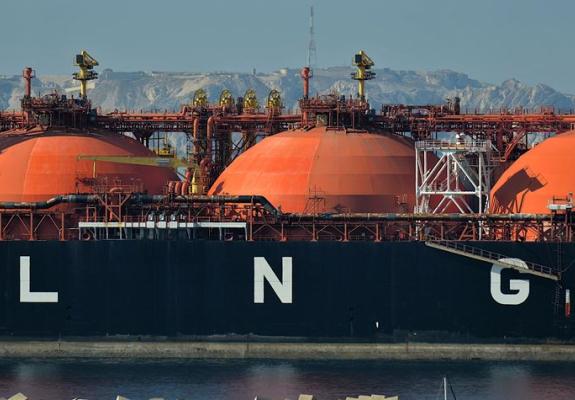
Keravnos’ Fiscal Risk Report flags liabilities from state guarantees (including unsustainable pension schemes) and pending court cases; SOEs and municipalities; and potential EU fines for non-compliance, including a pending wastewater case. The OΚΥπΥ wage bill (~€300m/year) remains a persistent drain. Major project risks include termination of the Vasilikos LNG terminal works and uncertainties around the Great Sea Interconnector (GSI). Climate-related shocks—wildfires, drought and farm compensation—add volatility.

Central Bank Governor Christodoulos Patsalides endorsed the macro path: GDP +3.3% in H1 2025, inflation easing toward ~2%, and lending rates converging with the euro-area median. The banking system shows capital resilience and falling loan rates (with deposit rates cushioned by high liquidity). But he urged “pre-emptive taming” of non-discretionary spending, noting ongoing pressures from payroll and health (GeSY).
Fiscal Council President Michalis Persianis called the fiscal picture “very satisfactory,” praising the march toward <60% debt. Yet he warned of a “large volume of risks”—GSI, Vasilikos, ATA, rising operating costs (e.g., water purchases), and policy pledges that could crystallise later. He cautioned against self-exclusion from markets via over-reliance on cash buffers and urged quality of spending and action on the Social Insurance Fund receivable.
-
DIKO lauded stability and debt reduction but pressed for faster reforms and larger public investment, with benefits flowing back to the middle class and vulnerable.
-
DISY welcomed surpluses yet warned about the €1bn annual increase in the wage bill, slow reforms, delays in development projects, and called for clarity on GSI and higher defence outlays.
-
AKEL argued headline strengths don’t reach the real economy: inequality, high living costs, housing strain, and limited anti-poverty measures. It criticised the tax-reform philosophy, lack of a coherent energy/climate strategy, and inaction on banking excess profits and high borrowing costs for small firms.
-
EDEK, DIPA, and Greens broadly welcomed stability but flagged rigid spending, energy interconnection economics, Vasilikos contingencies, and NPL/foreclosure social safeguards.