Key Legislative Issues Dominate Today’s Agenda of the Parliamentary Finance Committee
Crucial Decisions on FDI Screening, Remote Work in Public Sector, and CSE Privatization
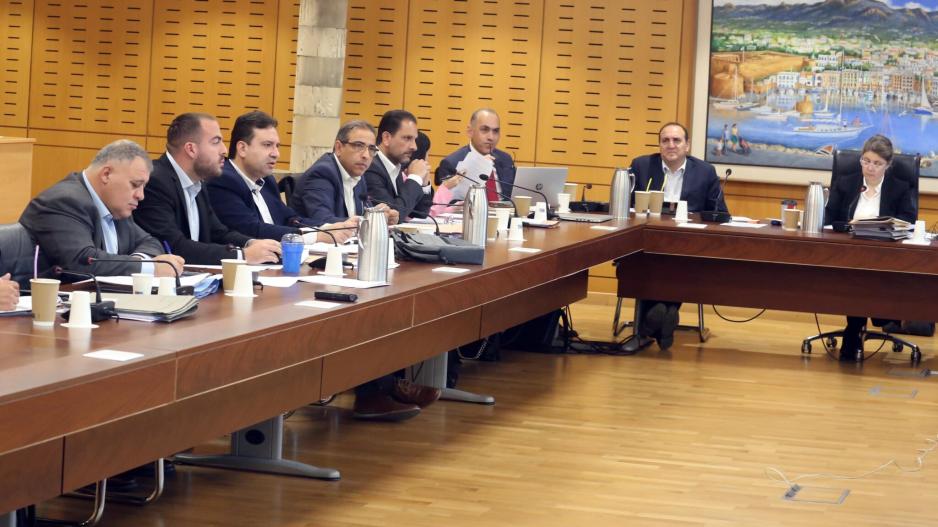
Significant issues are on today’s agenda of the Parliamentary Finance Committee, each attracting strong public and stakeholder interest.
As Brief writes, the Committee is set to decide on the bill establishing a State Mechanism for Monitoring Foreign Direct Investments (FDI).
A crucial aspect under discussion is whether investments made by individuals holding both EU and third-country citizenships will fall under this scrutiny, a matter expected to impact the Cypriot economy.
Another issue concerns whether the mechanism will operate strictly on the basis of declared notifications or extend to all FDIs that have not been declared, at the discretion of the Ministry of Finance, citing public policy, order, or security.
If the latter approach is adopted, it would effectively require prior notification of all proposed FDIs to avoid future disputes, according to representatives of the Cyprus Bar Association and Cyprus International Business Association, who presented their views before the Committee.
Additionally, members of the Committee are expected to examine a legislative proposal by AKEL MPs prohibiting the use of private consultancy services for analyzing and assessing FDIs, whether by the Screening Mechanism or its Advisory Committee.
It is noted that the CBA, ICPAC, CIBA, and several Committee members, including Chairwoman Christiana Erotokritou, supported the removal of a clause in the bill that allowed the Advisory Committee, with the approval of the competent authority, to engage external consultants with specialized expertise.
Representatives of the CBA and CIBA emphasized that eliminating this option aligns with both the spirit and provisions of the European Parliament resolution of June 15, 2023.

The introduction of remote work in the public sector is the second major issue under review by the Finance Committee.
According to the agenda, article-by-article discussions will continue in the presence of Ministry of Finance officials and PASYDY representatives.
Stratis Matthaiou, PASYDY’s Secretary General, told Brief that the union fully supports the implementation of remote work, noting it has already become standard practice across European labor markets.
He acknowledged that initial shortcomings may arise, but stressed that allowing the system to operate in practice will reveal any weaknesses, enabling all stakeholders to make sound decisions.
Matthaiou pointed out that remote work functions effectively in the private sector and questioned why it should not be introduced in the public sector as well.
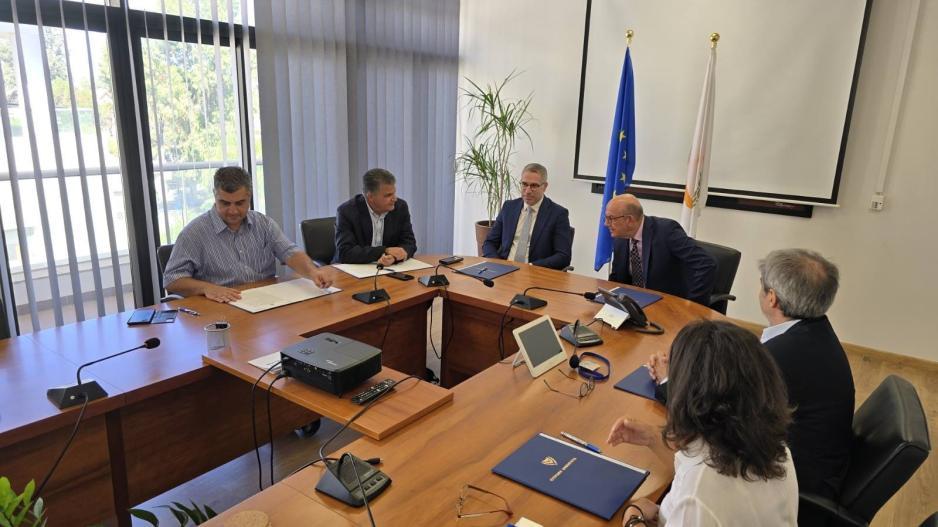
Following the agreement between the Ministry of Finance, the Cyprus Stock Exchange (CSE) Board, and trade unions OHO-SEK and SIDIKEK-PEO regarding the transfer of part of CSE’s staff to the public sector, the Finance Committee will also continue discussions on the CSE privatization bill.
If passed, the bill will pave the way for the privatization of the CSE and the attraction of strategic investors.
Although unions did not oppose this process, they secured provisions for a possible voluntary exit scheme. An agreement was also reached with the Ministry of Finance to transfer part of the existing staff to the public sector, safeguarding rights derived from the collective agreement.