Shocking Findings in EY Report on EAC – Consumers at the Mercy of Inefficiency
Households and businesses bear the cost of €276.1 million corresponding to electricity supplied to Turkish Cypriots since 1964
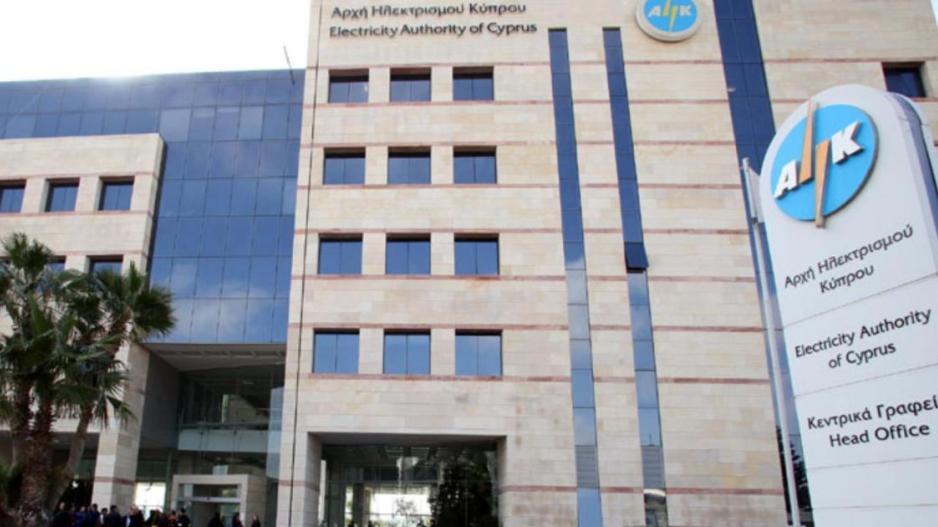
- EAC at risk due to environmental requirements and licensing of production units
- Weaknesses in specific operations of the Authority – Irregular debt collection procedures
- Unanswered consumer calls reached 384,702
Cypriot consumers, particularly households and businesses, will continue to pay high electricity bills, as Cyprus has the second-highest electricity price in the EU relative to consumers’ purchasing power.
The high cost is the result of long-standing inefficiency by successive governments and successive boards and managements of the Electricity Authority.
There are no visible prospects on the horizon that create even restrained optimism for the future of the energy sector.
The special report of EY regarding the compliance audit of the EAC, which was just made public, is indicative and its findings raise serious concerns and disappointment among readers.
In the area of electricity generation, the Audit Office report records limited development of Renewable Energy Projects by the EAC.
Until September 2025, the Authority had four photovoltaic parks in operation with a total capacity of 20MWp out of the nationwide total of 420.1MWp.
According to the report, the above affects the Authority’s ability to increase the participation of Renewable Energy Sources in its generation mix.
The delay is largely explained by the failure to secure approvals from CERA at the initial stages, in an effort to protect competition.
However, according to EY, reasonable questions arise regarding the lack of substantial reaction by previous EAC Boards of Directors on such a strategically important issue.
It is noted that during the same period, private entities developed a significant number of photovoltaic projects or secured relevant permits, without any clear impact to date on reducing electricity prices.
Costs passed on to the consumer
Fuel costs and greenhouse gas emission allowances account for approximately 70% of the EAC’s total operating expenses.
Spending on the purchase of emission allowances has increased significantly in recent years, reaching €211.2 million.
The cost of emission allowances, according to the Audit Office, is ultimately passed on to the consumer.
It is added that, mainly in combination with the limited utilization of Renewable Energy Sources by the EAC, the absence of electrical interconnection, limited storage, the non-arrival of natural gas, the ageing of existing thermal units of the EAC, all of these, contribute to maintaining high electricity prices.
Beyond the above, the audit highlighted weaknesses in specific operations of the Authority.
Cases were observed of improper application of procedures for debt collection, failure to conduct adequate meter inspections, as well as delays in customer service, with a large number of calls remaining unanswered.
Weaknesses were also identified in contract management and in the operation of internal control mechanisms.
Additionally, there are pending issues concerning compliance with environmental requirements and the licensing of generation units, which pose potential risks to the Authority’s operation.
In its report, EY emphasizes that the above demonstrate the need to strengthen the effectiveness of the EAC and to accelerate strategic actions, particularly regarding Renewable Energy Sources, in order to ensure, through its own participation as well, the avoidance of controlled oligopolies and the safeguarding of healthy competition.
Andreas Papakonstantinou, Auditor General, who introduces the EY report, notes that in order for immediate benefits to arise for consumers, strategic decisions must be taken by the state and CERA, most of which, as he points out, fall outside the control of the EAC.
The report states that 70% of the EAC’s operating expenses relate to fuel and emission allowances, the total cost of which amounts to €955 million.
Of these, €211.2 million concern unaudited figures for 2024.
All these costs, as noted, are passed on to consumers.
Unanswered calls and free electricity supply to Turkish Cypriots
It was found during the audit that between 2022 and 2024, 384,702 consumer calls remained unanswered.
Regarding the supply of electricity to non-controlled areas of the Republic of Cyprus, EY notes that as of 31.12.2022, the value of electricity supplied and neither invoiced nor collected from Turkish Cypriots residing in areas not controlled by the Republic amounts, from 1964 to 2022, to €276.1 million, without the imposition of interest.
For 2022, the value of this electricity amounted to €1.3 million and αφορά exclusively consumption by Turkish Cypriot premises in the area of Pyla, since according to the information gathered by the Audit Office, by 2014 all other lines had been disconnected, mainly those concerning the areas of Pergamos and Acheritou.
It is noted that non-invoiced electricity is also supplied to areas adjacent to the Green Line in the occupied part of the walled city of Nicosia.
According to the Audit Office, the energy sector in Cyprus, involving the EAC, the competent Ministry and CERA, is characterized by accumulated structural weaknesses and increased technical and financial risks.
These structural weaknesses affect security of supply and keep electricity costs at high levels for consumers.
Key issues, according to the Audit Office, include:
The prolonged delay in the arrival of natural gas, uncertainty regarding the implementation of strategic infrastructure projects such as the Cyprus–Crete electricity interconnection (Great Sea Interconnector), the geographical overconcentration of conventional generation in Vasiliko, the absence of electricity storage systems, as well as the ageing of certain existing thermal units of the EAC with consequent increased environmental impacts.
Particular burden is caused by the constantly increasing cost of purchasing greenhouse gas emission allowances, which is passed on to the final consumer and intensifies the cost of electricity generation.
At the same time, the development of Renewable Energy Sources by the EAC has not been implemented in a way that allows for a substantial reduction in its production costs.
It is noted that in previous years, additional administrative or regulatory interventions were not adopted in a timely manner, which could have strengthened competition and delivered immediate benefits to the final consumer, such as the conduct of competitive tenders for the supply of electricity from Renewable Energy Sources, as well as the timely revision of the transitional regulation of the electricity market.