Troika Highlights Risks in Cyprus’s Energy Sector
Lenders highlight concerns about the Vasilikos terminal, COLA, and public spending pressures.
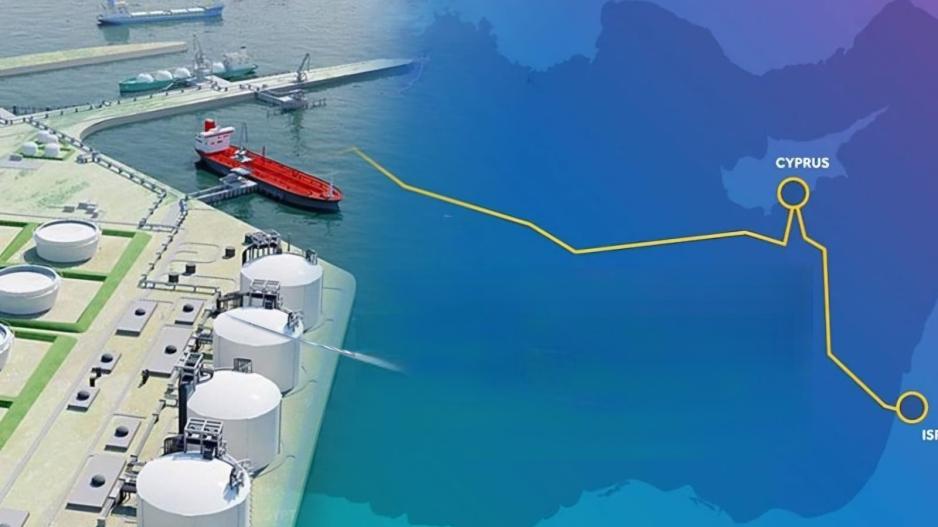
The Troika delegation spoke bluntly to the Ministry of Finance and the Central Bank of Cyprus (CBC) about the state of the Cypriot economy — addressing fiscal matters, the financial system, and the energy sector.
The technocrats representing the international lenders (EU, ESM, ECB, IMF) shared their observations as part of the semi-annual Post-Programme Surveillance, conducted via videoconferences last week with officials from the Ministry of Finance and the Central Bank.
According to Brief’s information, the international creditors’ team acknowledged the strong performance of Cyprus’s economy, public finances, and banking system. However, they did not conceal their concerns over potential risks stemming from the electricity interconnection project and the Vasilikos terminal, while also highlighting fiscal risks linked to the General Health System and the Cost-of-Living Allowance.
“Cyprus’s economic growth rate is excellent. You maintain fiscal surpluses, reduce public debt, and your financial system is stable and resilient. But be cautious with your energy sector,” the international lenders reportedly warned the Ministry of Finance and the Central Bank.
The Troika representatives emphasized the decline in unemployment, the strengthened capital positions of banks, and the continued reduction in non-performing loans, which have cleaned up balance sheets across the financial system — many institutions now reporting significant profits.
However, when it came to the energy sector, particularly the Cyprus–Greece electricity interconnection project (GSI), the technocrats were blunt. “It poses a serious potential risk to public finances,” they noted, requesting a detailed update on the project’s progress.
The lenders specifically sought information about the energy center, the Vasilikos LNG terminal, and the status of the ongoing works and completion timeline.
Regarding the Cost-of-Living Allowance (COLA), the Troika was briefed on the ongoing, months-long negotiations between the government and social partners. The lenders reiterated their long-standing position on the issue, cautioning that automatic wage indexation increases government spending and expands the public payroll.
The IMF, in particular, has consistently advocated for the abolition of the COLA mechanism, arguing that it inflates the state wage bill and undermines business competitiveness.
The delegation also expressed concerns about the State Health Services Organization (OKYPY), focusing on its continued financial dependence on government support.
The international creditors requested updates on the planned tax reform and its potential impact on fiscal revenues. They also submitted questions concerning Cyprus’s request to join the SAFE programme, which involves defence equipment financing.
An extensive discussion was held between the Troika and CBC technocrats on the financial and banking sector, highlighting emerging risks from cyberattacks, climate change, and rising competition from electronic money institutions.
Nevertheless, the lenders acknowledged the positive trajectory of the domestic banking system, noting adequate capital buffers, growing profitability, and a gradual return to dividend distribution.
The series of meetings began last Monday with Central Bank Governor Christakis Patsalides, followed by a session with Finance Ministry Director-General Andreas Zachariadis. The Cypriot technocrats presented updates on macroeconomic and fiscal developments, as well as forecasts for the financial sector.