CNN: The Grim Choice Facing the Trump Administration – Economic or Naval Collapse?
Scenarios for U.S. Naval Escorts of Oil Tankers Amid Fears of an Energy Shock and Escalation With Iran.
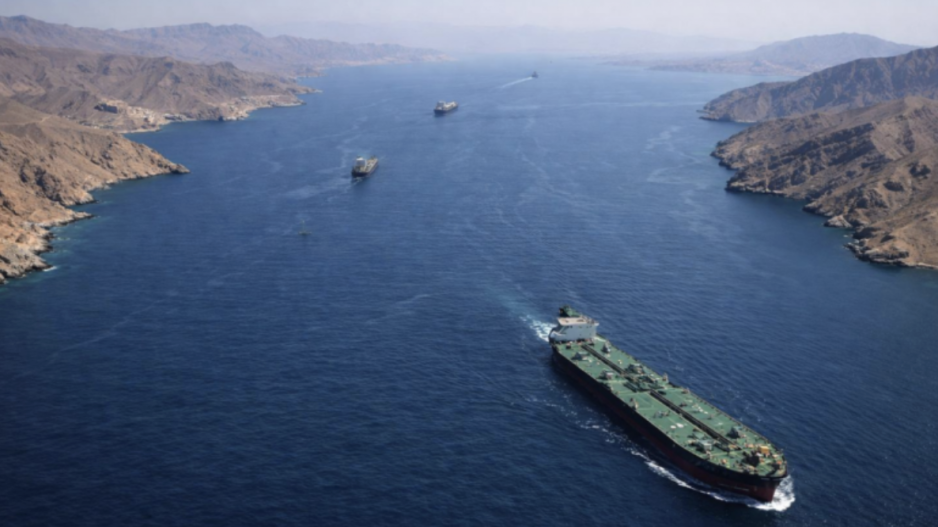
The Trump administration finds itself trapped between the risk of a global economic recession and the fear of a major naval crisis. As tensions with Iran escalate, the world’s key energy arteries are tightening. Every day that the Strait of Hormuz remains closed does not simply double the economic impact. It increases it exponentially.
In this context, experts are working on multiple fronts to address the oil crisis. On one hand, officials are examining the organization of a complex military operation that would allow oil tankers to resume passing through the Strait, while at the same time seeking ways to limit price spikes through market interventions. Meanwhile, Donald Trump has launched a public relations campaign aimed at reassuring the public that fuel price increases will likely be temporary.
However, the reality is increasingly grim. The disruption of oil flows to the global market has slowed production and is rapidly approaching a tipping point at which major producers may shut down output entirely due to storage limitations.
Kuwait, Iraq, and the United Arab Emirates are already shutting down wells as storage tanks begin to overflow. Once shut, these wells cannot easily be restarted, raising the prospect of a looming supply gap that could trigger cascading consequences for the global economy.
“There is an urgent need for a short-term solution and the White House knows it,” a former senior administration official told CNN.
According to oil industry executives, market analysts, and diplomats, the only immediate solution to the escalating crisis would be a U.S. Navy escort operation. Trump promised last week that such protection could soon be made available to safeguard shipping assets.
“The issue is being studied very closely by the military and discussed constantly,” a senior administration official told CNN. “Significant progress has been made in developing a plan that can do exactly what the president has proposed.”
Within the administration, intense internal discussions regarding the escort operation have focused on analyzing the risks to U.S. naval assets in an active conflict zone.
While the USS Abraham Lincoln carrier strike group remains on standby, the reality at sea is dangerous. Iran has effectively divided the Strait between its traditional navy and the more aggressive Islamic Revolutionary Guard Corps.
The latter has the capacity to deploy a “gauntlet” of scattered mine-laying vessels, explosive-laden suicide boats, and land-based missile batteries.
U.S. warships are currently avoiding the most dangerous areas of the Strait while continuing to support American operations against Iran. Launching an escort mission solely to shield oil tankers, without any clear strategic advantage for the broader conflict, would place the Navy at considerable risk.
The hierarchy of potential impacts is particularly alarming. Analysts believe Iran would prioritize liquefied natural gas tankers first, which could “explode like the Beirut bomb,” followed by oil tankers in order to maximize environmental and economic chaos.
Ali Larijani, head of Iran’s Supreme National Security Council, underscored Iran’s position and the risks surrounding it in a social media post on Monday. However, intelligence suggests Iran may be playing a psychological game. It is considered unlikely that ships entering the Gulf would be targeted. Instead, vessels are expected to be attacked as they exit, when they are fully loaded.
“It is unlikely that any security can be achieved in the Strait of Hormuz amid the fires of war ignited by the United States and Israel in the region,” Larijani wrote.
One of the main indicators that the Navy escort operations are moving from the planning stage to implementation would be if the United States and the Gulf Cooperation Council states suddenly begin striking targets around the Strait, a person familiar with the plans told CNN.
The United States has likely already shared intelligence with Gulf partners regarding a list of targets hosting Iranian naval bases. Strikes against these sites would likely signal the prelude to escort operations for commercial shipping.
Source: Brief