The Fashion Industry Is One of the World’s Biggest Polluters - And It’s Still Growing
Why What We Wear Comes at a Cost to the Planet
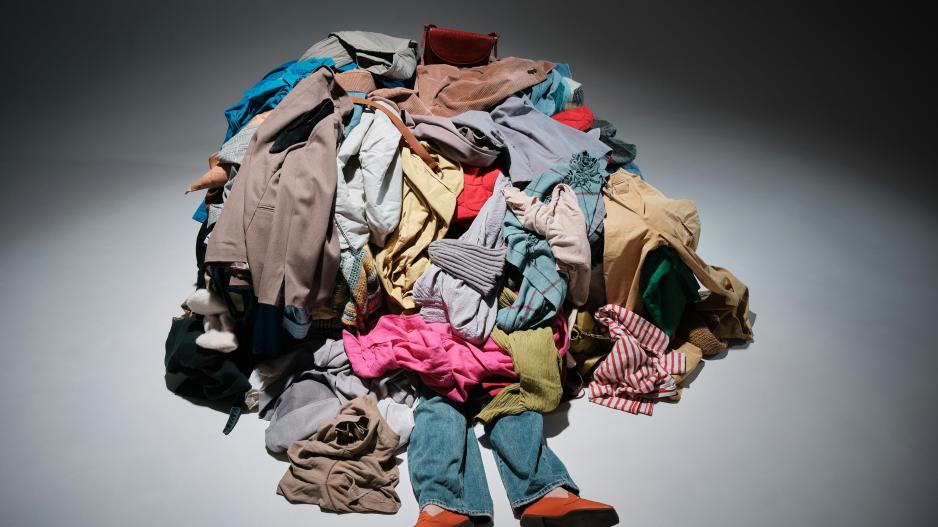
The fashion industry, known for driving creativity and self-expression, hides a darker truth beneath its glossy surface. Behind the ever-changing trends and mass-market collections lies a system of overproduction, overconsumption, and environmental degradation, one that ranks fashion among the most polluting industries in the world.
From textile waste and microplastics to excessive carbon emissions and unethical labor practices, the industry’s environmental footprint is staggering, and growing. As consumer demand for low-cost, fast fashion continues to climb globally, the strain on natural resources and ecosystems intensifies. Now, both industry leaders and regulators are being called to account, and action.
Globally, the fashion industry is responsible for up to 10% of annual carbon emissions, more than international flights and maritime shipping combined, according to the UN Environment Programme. This figure is particularly alarming when you consider that fashion emissions could surge by 50% by 2030 if current trends persist.
In Europe, the scale of textile overconsumption is increasingly alarming. According to the European Commission’s Knowledge Centre for Bioeconomy, EU citizens consumed an average of 19 kg of textiles per person in 2022, amounting to millions of tonnes overall, with the majority being imported. The sector is now the fourth highest in the EU for environmental pressure, behind only food, housing, and mobility. Worse, most of the discarded clothing is either landfilled or incinerated, with only a tiny fraction being recycled.
Beyond emissions and waste, the fashion industry is also one of the largest global consumers of water. To produce just one cotton t-shirt, it takes around 2,700 liters of water, roughly equivalent to what a person drinks over two and a half years. This immense water footprint contributes to freshwater depletion and water stress, especially in regions where cotton is grown under already scarce conditions.

One of the most shocking issues facing the industry is what happens after the clothes are bought, or worse, never sold. Every year, over 5.8 million tonnes of textiles are thrown away in the EU alone. Globally, the equivalent of a truckload of clothes is burned or landfilled every second.
In many cases, discarded clothing is exported to developing countries under the guise of second-hand donations. However, reports from Ghana and Chile show that much of it ends up as waste, polluting landscapes and overwhelming local ecosystems.
In addition to physical waste, the release of microplastics from synthetic fabrics during washing is another silent threat. These tiny particles flow into rivers and oceans, entering the food chain and posing serious ecological and health risks. In Europe, textile products contribute to about 35% of primary microplastics released into the environment, according to the European Chemicals Agency.
The rise in consumer awareness has pushed many fashion brands to adopt more “sustainable” branding, but not always with integrity. Greenwashing, the practice of making misleading environmental claims, is rampant in fashion. A 2021 investigation by the European Commission found that 42% of green claims made online were exaggerated, false or deceptive.
True sustainability involves systemic change, not just token gestures. Fortunately, some brands are leading by example. Companies like Patagonia, Stella McCartney, and GANNI have invested in circular business models, traceability tech, and innovative fabrics such as mycelium leather or recycled cellulose fibers. Meanwhile, new entrants like Pangaia and Asket prioritize transparency and low-impact materials from the start.
Policy is also catching up. The European Union’s Ecodesign for Sustainable Products Regulation (ESPR) will enforce stricter sustainability requirements from 2025 onward, including mandatory eco-labeling and repairability standards. Globally, similar moves are taking shape, though enforcement and impact vary.
Solving fashion’s sustainability crisis requires action across the value chain. While producers bear the responsibility of reducing environmental impact, consumer behavior also plays a pivotal role. The fast fashion model thrives on constant newness, fueled by consumers’ appetite for cheap clothing and one-off styles.
Recent trends are promising: in Europe, 60% of consumers say they now try to make environmentally friendly clothing choices, and second-hand fashion is expected to grow by 127% by 2026. Apps like Vinted, Depop, and Vestiaire Collective are helping normalize the resale and reuse economy.
Education and transparency will be key to shifting mindsets. Consumers must understand the full lifecycle of their purchases, and brands must make it easier to choose better. From digital product passports and rental services to take-back programs and garment repair workshops, solutions exist. The question is whether the industry is willing to embrace them at scale, and whether consumers are ready to slow down.
Fashion has always been about change, and now, that spirit of reinvention must extend beyond aesthetics. As one of the most environmentally damaging industries, fashion faces a unique opportunity to lead the way in sustainability, innovation, and accountability.
The next generation of fashion will be defined not by how fast it moves but by how responsibly it operates. By reducing waste, embracing circularity, and holding both brands and consumers accountable, the industry can redefine itself, and help build a cleaner, more equitable future.