Mismanagement and Cost Overruns in Akamas Park Projects
Delayed decisions, illegal contract awards, and poor oversight led to €500,000 in extra claims and a €1 million financial loss, report finds.
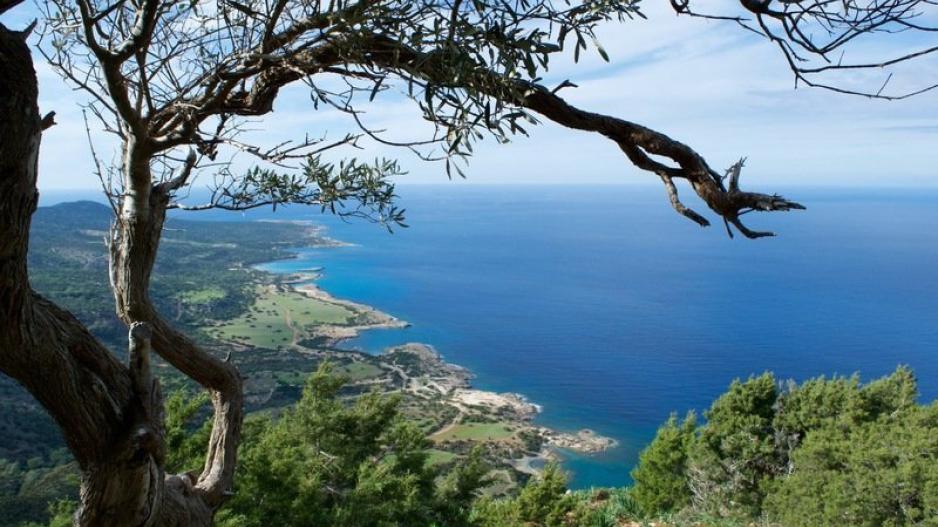
A new special report by the Audit Office has revealed serious failings in the implementation of key infrastructure projects at the Akamas National Forest Park, highlighting delayed decisions, unlawful contract practices, and financial mismanagement by the Department of Forests.
The audit, published on June 23, 2025, examined four public contracts linked to two EU co-funded actions worth €16.5 million under the "THALEIA 2021–2027" program. These include improvements to the park’s main road network and the construction of 14 infrastructure hubs for park management.
The report uncovers a string of procedural violations and administrative negligence that resulted in:
-
A €500,000 increase in contractor claims due to unjustified delays in terminating a failing construction contract. Despite clear signs of non-compliance by the contractor, the Department of Forests did not act promptly, leaving the project unfinished and open to further environmental and financial risks.
-
A missed opportunity to claim €1 million in performance guarantees after the department failed to liquidate them before their expiration.
-
Violation of public procurement laws, including the unlawful use of negotiated procedures without prior publication, to award additional contracts directly to consultants without competitive bidding. This applied both to engineering supervision and the continuation of unfinished studies.
-
A 135% cost increase in the design and construction of the 14 infrastructure hubs, mainly due to the premature launch of tenders before obtaining the required Environmental Impact Assessment. This not only drove up expenses but also led to delays of nearly 90% beyond the contractual duration.
-
Administrative dysfunction, with the Department of Forests taking over two years to respond to the Central Committee on Contract Modifications and Claims (ΚΕΑΑ) regarding contractor demands, thereby compounding delays and mismanagement.
The Audit Office stresses that the state failed to safeguard the public interest in these cases, citing a lack of diligence, strategic planning, and respect for procurement regulations. It also noted that political decisions had suspended all works in the Akamas area due to rising environmental concerns.
General Auditor Andreas Papaconstantinou concluded that the projects’ implementation was neither effective nor efficient, calling for an overhaul of internal procedures to prevent further losses and ensure lawful execution of future works.