Accelerating Through the Spectrum of Pride
Reclaiming Love, Confronting Backlash, and Mapping the Urgent Legislative Blueprint to Overcome Global Injustice
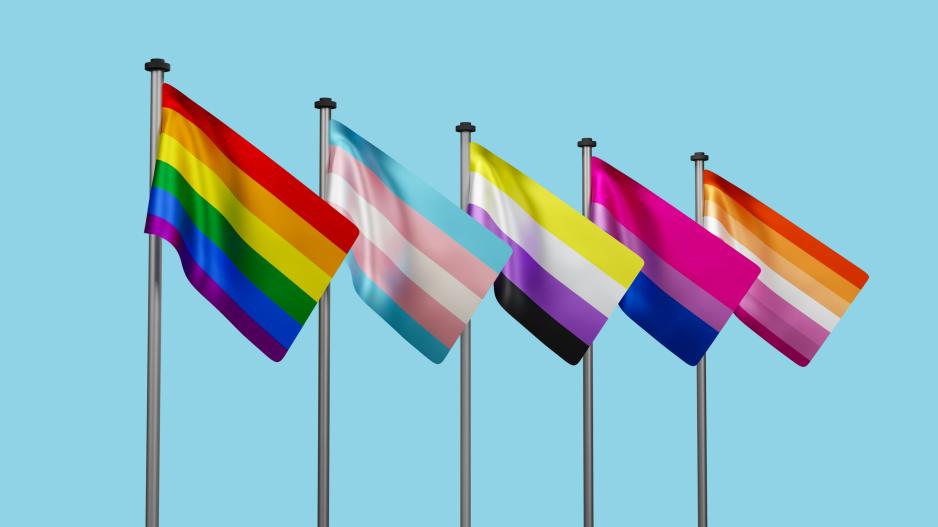
Locking pain inside a rainbow of emotions creates a profound multicolor effect that defines the modern queer struggle. In a statement of sharing their true nature, the LGBTQ+ community uses all available means to stand for their own selves, their true being. Humanity has never seen a stand against injustice being so alive and thriving of love. Yet, the simplest thing becomes the hardest situation for those seen differently, who want just to be. To honor this resilience, society must look past the romanticized celebration of the movement and honestly analyze the systemic realities that frame it. By advancing rapidly through the overarching ideologies of human rights down to the hard numbers within Europe and Cyprus, we expose a stark divide between legislative text and human survival.
On a macro level, the European Union presents a deeply fragmented landscape of equality, stuck between progressive strategies and localized political pushbacks. The European Commission launched its pivotal LGBTIQ+ Equality Strategy 2026–2030, anchoring queer rights into democratic resilience and explicitly targeting hate crimes, conversion practices, and workplace discrimination. However, data from the ILGA-Europe Rainbow Map 2026 exposes a vast geographical divide: while countries like Spain lead with self-determination laws, others like Romania, Hungary, and Bulgaria sit at the bottom due to state-sponsored anti-gender crackdowns. Furthermore, the European Union Agency for Fundamental Rights (FRA) indicates that 55% of LGBTQ+ Europeans faced severe harassment recently, showing that the EU's heavy reliance on voluntary "soft laws" fails to hold rogue member states accountable for targeting vulnerable citizens.
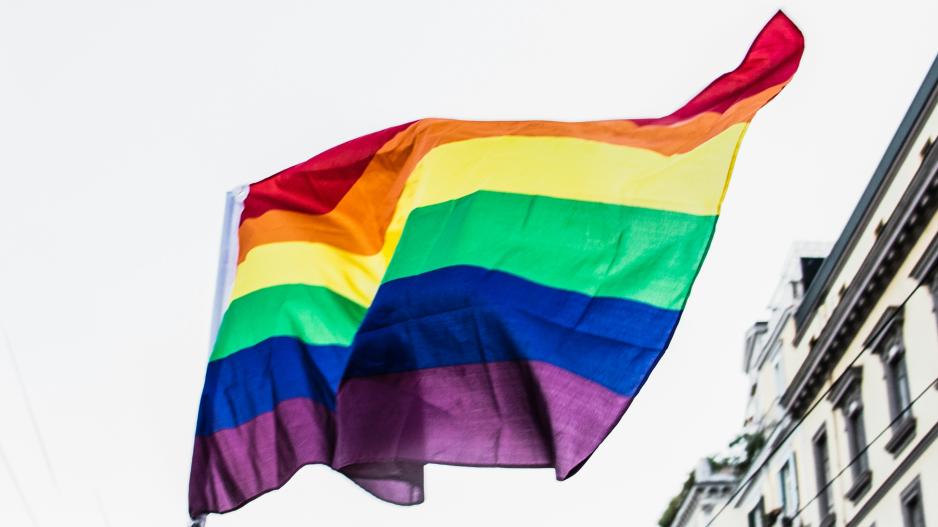
Zooming directly into Cyprus, the local reality illustrates exactly how basic human existence remains bound by complex structural obstacles. Cyprus currently occupies the 30th spot out of 49 nations on the ILGA-Europe Rainbow Index, scoring a mediocre 33.69% in overall legal protections and falling significantly below the European Union national average of 52.10%. While the state allows civil partnerships and has criminalized hate speech, it remains paralyzed by severe legal gaps in family recognition, intersex bodily integrity, and transgender rights. Trapped between conservative religious traditionalism, rising far-right political factions, and slow-moving administrative wills, the local community must fight every day against an environment of institutional stagnation. To understand the depth of this ongoing struggle, we must dissect the specific cultural and legal dynamics driving the island's human rights crisis:
Why Cyprus Still Needs Pride?
Cyprus is often painted as a modern, progressive Mediterranean island, yet the underlying systemic landscape tells a drastically different story. The island still needs Pride because institutional progress remains paralyzed by severe political hesitation, heavily influenced by traditional institutions like the Orthodox Church and the ultra-conservative party ELAM. According to the 2026 ILGA-Europe Rainbow Map, Cyprus ranks a low 30th out of 49 European nations, scoring a mediocre 33.69% regarding legal protections and policies for LGBTQ+ individuals. This places Cyprus significantly below the European Union national average of 52.10%. Pride is not a cosmetic luxury or a simple street festival; it is an active, vital demonstration against structural complacency. It is the only public forum where the collective pain of a marginalized community is transformed into visible, political energy, directly challenging a system that continues to treat the fundamental rights of its citizens as negotiable, low-priority issues.
Equality Is Not a Trend or a Debate: The Rights Still Missing in Cyprus
To view LGBTQ+ equality as a modern Western "trend" is to purposefully ignore the legal discrimination deeply embedded in the Cypriot system. Human rights are baseline necessities, yet in Cyprus, major legal milestones remain completely unachieved. In the 2026 Rainbow Index, Cyprus scored an abysmal 15.71% in Legal Gender Recognition and a flat 0.00% in Intersex Bodily Integrity. Transgender individuals in Cyprus still lack a simplified, swift, and transparent administrative mechanism for legal gender recognition based entirely on self-determination, often forcing them through invasive, pathologizing processes. Furthermore, there is absolutely no comprehensive legal framework to protect intersex minors from medically unnecessary, non-consensual surgeries. Civil unions exist, but true marriage equality, comprehensive joint adoption rights, and reproductive health access for same-sex couples remain entirely locked away. Equality is a constitutional obligation, yet Cyprus continues to treat it like a public debate.
Pride Is Not Provocation, It’s Visibility
The common conservative critique that Pride is an "unnecessary provocation" or an assault on "traditional values" is a deliberate rhetorical tactic designed to push queer bodies back into total invisibility. Under the slogan for the Cyprus Pride 2026 campaign, "Take it to the street. Walk your own proud path", the local NGO Accept-LGBTI Cyprus purposefully reclaimed the exclusionary phrases hurled at queer people to emphasize that taking up public space is an act of sheer survival. Pride is a direct response to an oppressive social ecosystem that forces LGBTQ+ individuals to hide their true nature. When a society treats simple public displays of queer affection as an offense but turns an eye to systematic hate speech, visibility becomes a necessary form of non-violent disruption. Marching through the streets of Nicosia is not an attempt to provoke the public; it is a declaration of presence, demanding that a state which happily collects taxes from its queer citizens also acknowledges their right to exist openly in the public sphere.
Why Pride Still Matters in a Country That Thinks It Has “Moved On”?
There is a dangerous, complacent narrative among the Cypriot public that because the state decriminalized homosexuality in 1998 and introduced civil partnerships in 2015, the fight for equality is over and society has "moved on." This superficial perception of progress is completely debunked by real-world data. Recent local reporting highlights that at least 50 children raised by same-sex couples in Cyprus currently live in a total institutional vacuum, unprotected by family law because the state refuses to regulate their co-parenting status. Furthermore, local medical reports indicate that a vast number of LGBTQ+ individuals in Cyprus actively avoid seeking essential healthcare services due to a profound fear of systemic discrimination and breaches of confidentiality within a small, tight-knit society. Pride matters because legal half-measures on paper do not automatically translate into safety, dignity, or equal rights in day-to-day life.
The Politics of Human Dignity
In Cyprus, the basic safety of vulnerable people is routinely used as political ammunition. Human dignity should be an absolute baseline, yet it is constantly negotiated away to appease conservative voters. This political failure was put on full display when the state denied a transgender woman placement in a women’s correctional facility, choosing instead to lock her away in a highly isolating, solitary space following her sentencing. Furthermore, recent legislative proposals introduced in parliament attempted to strip transgender women of explicit protections against gender-based violence by aggressively pushing to remove the terms "gender" and "woman" from protection bills. When the state reduces human identity to a series of legal loopholes and actively coordinates to exclude trans and intersex citizens from basic anti-violence protections, human dignity ceases to be a universal right—it becomes a volatile political bargaining chip.
What Cyprus Still Gets Wrong About Pride
The dominant societal misconception in Cyprus is that Pride is a festive, westernized party that has no place on a traditional island. What the state and society continuously fail to understand is that Pride is, first and foremost, an ongoing human rights protest. Cyprus scores a critically low 19.09% in Equality and Non-Discrimination measures on the 2026 international index. The state routinely mistakes "tolerance" for true institutional equality. Allowing queer people to hold a parade once a year while simultaneously leaving them completely unprotected against systemic discrimination in employment, housing, and healthcare is a severe failure. Cyprus celebrates the economic contributions of its diverse workforce but refuses to provide the legal architecture required to protect those same workers from systemic prejudice.
Why Are We So Invested in Other People’s Lives?
The intense, public obsession within Cyprus regarding how LGBTQ+ individuals choose to live, love, and build their families reveals deep-seated cultural anxieties. Local nationalist groups and traditionalists frequently issue aggressive statements against same-sex marriage and adoption, framing the private lives of queer citizens as an immediate threat to the "natural order." This intrusive public focus exposes a toxic societal dynamic: a collective obsession with policing private behavior to maintain a rigid, highly manufactured status quo. Rather than focusing on genuine structural crises -such as economic inequality, corruption, or the ongoing geopolitical division of the island -mainstream socio-political discourse is continuously redirected toward managing and suppressing the private, consensual lives of consenting adults.
Why Some People Feel Threatened by Other People’s Freedom?
The aggressive resistance to LGBTQ+ liberation in Cyprus stems from a fragile, zero-sum worldview held by dominant social groups. When ultra-conservative factions witness the queer community demanding legal recognition, they do not see a routine expansion of human rights; they see an existential threat to their historical monopoly over cultural and social norms. Freedom for a minority group forces the majority to confront their own unearned systemic privileges. In Cyprus, where identity is heavily intertwined with ethno-religious institutions, the liberation of the LGBTQ+ community directly threatens the traditional patriarchal structures that have dictated Cypriot life for generations. The fear is not that queer freedom will actively harm society, but that it will permanently dismantle the rigid hierarchies that keep conservative institutions in power.
The Obsession With Other People’s Identity Says More About Society Than Pride
The continuous moral panic surrounding queer existence in Cyprus serves as a mirror, exposing the deep-seated anxieties of a society caught between European modernization and rigid insular traditionalism. This hostility is highly visible, ranging from far-right political campaigns explicitly targeting queer families to regular incidents of vandalism, such as LGBTQ+ flags being targeted and burned at local community bonfires. This intense societal obsession with policing gender and sexuality indicates a culture deeply insecure about its own changing identity. The anger directed at Pride is not actually about the parade itself; it is a desperate reaction from a conservative establishment that realizes it can no longer force an entire generation of diverse, free-thinking individuals to live in silence.
Who Gets to Decide Which Rights Are “Too Much”?
In a true democracy, fundamental human rights are never supposed to be left up to the whims of the majority, yet Cyprus routinely subjects minority rights to majoritarian approval. Conservative political parties frequently claim that society "is not ready" for marriage equality or legal gender recognition, effectively granting the loudest, most prejudiced segments of the population an absolute veto over the lives of a marginalized minority. When Cyprus scores a mere 46.34% in Hate Crime and Hate Speech protection, it is a direct consequence of a political class that values the comfort of the privileged majority over the physical safety of a targeted minority. No democratic government should ever have the authority to decide that basic protection from violence, family recognition, and bodily autonomy are "too much" for its citizens to ask for.
Pride in Cyprus Is Still About Protection, Not Just Celebration
While Pride events worldwide are often commercialized, in Cyprus, the movement remains a crucial line of defense. With the country scoring under 34% on the overall European legal equality index, every single public event is an act of bravery. Pride in Cyprus is about demanding protection against a tangible, rising tide of hate speech and institutional neglect. It is about demanding that the state fulfill its basic democratic obligations:
-
Fast-tracking a comprehensive, non-pathologizing Legal Gender Recognition bill.
-
Implementing a complete, unconditional ban on all forms of conversion practices.
-
Enacting sweeping legal reforms to fully protect same-sex families and intersex children.
Until these legislative baselines are fully realized, Pride in Cyprus cannot be a simple celebration—it must remain an active, unyielding protest for basic survival.
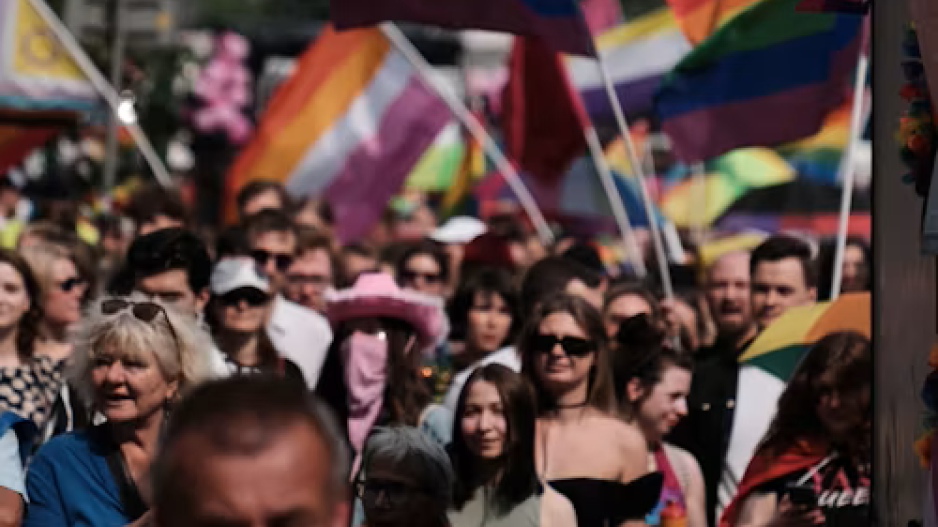
To transform this movement into a future defined by tangible equity, the global and local approach must immediately pivot from passive allyship to aggressive legal action. The European Union must transition from toothless declarations to strict financial mechanisms, binding structural funding directly to a member state's compliance with anti-discrimination directives. Simultaneously, the Cypriot government must abandon its political hesitation and fast-track the comprehensive legal frameworks required to shield its citizens from systemic erasure. True liberation will not be found in yearly corporate endorsements or superficial tolerance; it will be achieved when state legislation fully mirrors the radical bravery of its community, ensuring that those seen differently can finally, unconditionally, just be.