Forget Labubu: The Plush Toy of 2026 Moves, Reacts and Watches You
Mirumi signals a new era of emotional, interactive toys.
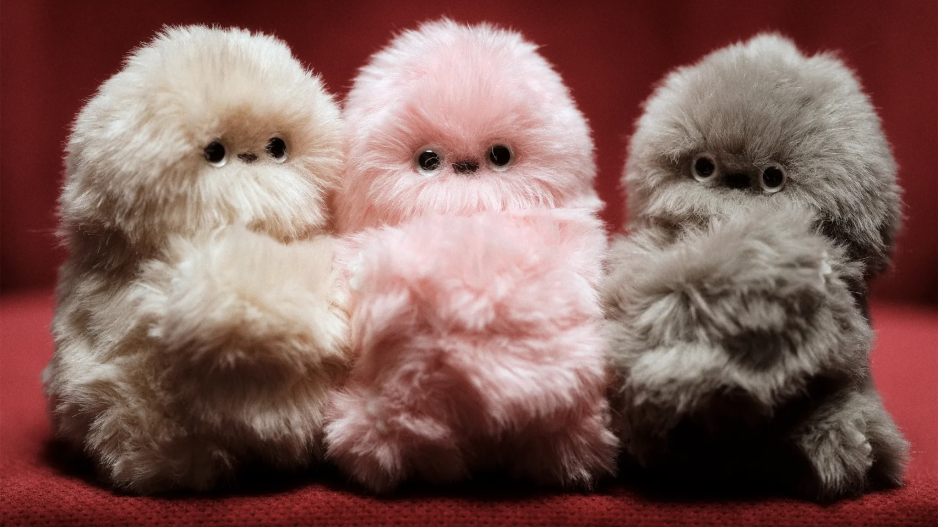
The global plush toy market is undergoing a transformation. From blind boxes and the collector frenzy surrounding Labubu, the industry is moving into a new era where toys are no longer just cute or rare, but responsive, mobile, and capable of creating a sense of emotional connection. In this emerging landscape, Mirumi is already positioning itself as one of the most talked-about trends of 2026.
Labubu was never “just a plush toy.” The fluffy little monsters with their distinctive—and slightly unsettling—smiles evolved into a global pop culture symbol. Blind boxes, queues outside stores, viral unboxing videos, and intense reactions to limited editions combined to create a phenomenon unlike anything seen before.
Behind the design is artist Kasing Lung, with production handled by Pop Mart. Mass appeal surged when Labubu appeared on the social media accounts of celebrities such as Paris Hilton, Kim Kardashian, Cher, and David Beckham.
In 2025, Pop Mart recorded impressive revenues, reaching approximately $670 million in the first half of the year alone. However, overexposure, the rise of imitations (dubbed Lafufu), and growing consumer fatigue began to shift sentiment. Labubu gradually stopped being “the next big thing,” and the market started looking ahead.
At this transitional moment, Mirumi emerges as something fundamentally different. Created by Japanese company Yukai Engineering, Mirumi is a small, fluffy robot that reacts to sound and touch, giving the impression that it is actively observing the world around it.
Designed to hang from bags, belts, or straps, Mirumi stands apart from inanimate plush toys by moving, tilting its head, turning towards noises, and responding to gentle touch. Sometimes it provokes smiles; at other times, a brief moment of unexpected surprise.
Yukai Engineering is currently raising funds via Kickstarter, with a planned release in May 2026. The expected retail price is around €120.
Mirumi is equipped with a touch sensor on its head and a sound sensor, triggering random, endearing reactions through a dedicated algorithm. It also performs spontaneous movements without external stimuli, giving its behaviour an almost organic quality.
When its battery runs low, it appears tired. When fully charged, it lifts its head energetically. Notably, Mirumi has no screen—and this is a core part of its appeal. Unlike devices such as Tamagotchi, the experience relies entirely on movement and observation.
The concept was first presented at the Consumer Electronics Show, and according to its creators, it draws inspiration from the emotional bonds people form with babies or pets.
Mirumi clearly fits within the concept of kidulthood—the trend of adults consciously returning to childlike experiences as a form of comfort and escapism. Yet it is not alone.
Yukai Engineering argues that, in the future, such robots could even replace smartphones, interacting with humans not through screens or commands, but through behaviour.
Whether it proves to be a passing trend or the beginning of an entirely new category, Mirumi suggests that the plush toy of tomorrow will not simply be cute. It will be present, interactive—and perhaps a little more human.