Micromobility: The Ecological and Economic Revolution for Modern Cities
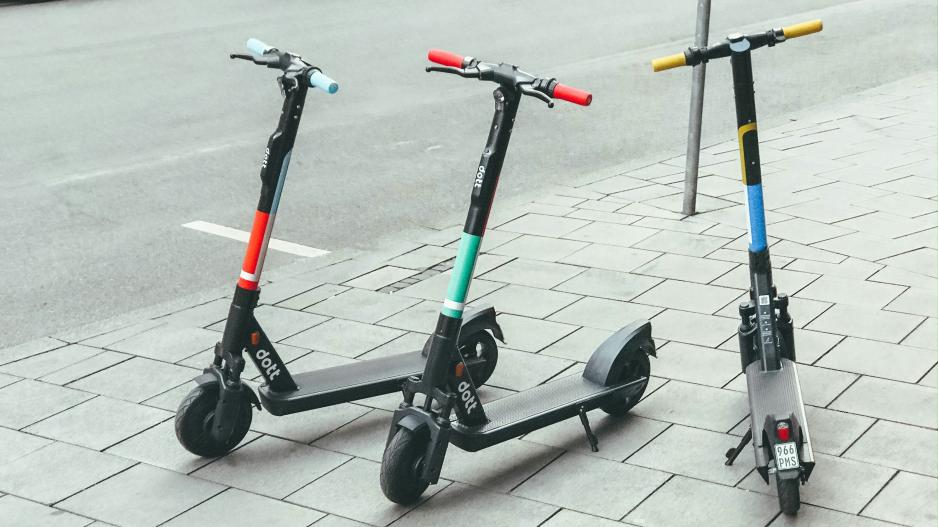
Micromobility is currently one of the most promising solutions to the challenges facing modern cities. It refers to new forms of transportation based on small, lightweight vehicles such as bicycles, electric bikes, scooters, and e-scooters, designed for short trips within densely populated urban areas. While typically used for short distances in large metropolitan settings, micromobility has even greater potential in smaller cities like those in Cyprus, where shorter travel distances make it feasible to use such vehicles to traverse the entire city. In a world plagued by traffic congestion, air pollution, and a lack of sufficient parking spaces, micromobility offers an alternative and ecological way out.
Despite its potential, micromobility in Cyprus is currently facing significant challenges. The public discourse around electric scooters and similar modes of transport is often shaped by uninformed media narratives, driven more by opinion than fact. Media outlets frequently overlook data and international best practices, contributing to a climate of skepticism and resistance. At the same time, many car drivers remain unprepared—or unwilling—to share the road safely with micromobility users, creating daily risks for riders. Compounding the issue, policymakers have made little to no effort to formally integrate micromobility into the existing transport system, leaving users without proper infrastructure, legal clarity, or support. This combination of misinformation, road hostility, and policy inaction threatens to stall the progress of a transport model that could otherwise offer sustainable and inclusive urban mobility.
According to the organization Micro-Mobility for Europe, in 2022, injuries requiring medical attention from shared electric scooters decreased by 19%, and fatalities fell by 17.7% compared to 2021. Additionally, the risk of a fatal accident with shared electric scooters is 20 times lower compared to mopeds. Based on the same organization and specifically a 2024 study, for the third consecutive year, injuries caused by micromobility devices have decreased in Europe. In 2023, there was a 16% reduction in injuries to electric bicycle riders requiring medical attention compared to 2022. Furthermore, the number of fatal or medically treated injuries related to shared electric bikes dropped by 13.3% per million kilometers during the 2022–2024 period.
The importance of micromobility becomes even more evident as cities seek sustainable transportation methods. The use of electric scooters and bikes reduces the need for cars, helping to ease road congestion and reduce pollutant emissions. Electric vehicles do not consume fuel and produce no CO₂ emissions during use. According to research, replacing just 8% of traditional vehicles with electric alternatives could reduce carbon dioxide emissions by 80% by 2050. Therefore, micromobility is not just a practical option but also a powerful tool in the fight against climate change.
Developing infrastructure specifically for micromobility—such as bike lanes and parking areas for electric scooters—is an investment with enormous environmental and social benefits. Unlike traditional road infrastructure, it requires less space and integrates more easily into the natural environment. Cities like Amsterdam and Copenhagen are role models, having created extensive micromobility networks that improve quality of life, reduce noise, and enhance access to public spaces. These are examples that we in Cyprus should learn from—not only in their successes but also in their approach. According to RTD, these cities adopt a test-and-failure method in constructing bike lanes, allowing them to innovate and improve continuously based on real-world feedback.
Cyprus, recognizing the importance of micromobility for improving urban transportation, has enacted legislation aimed at ensuring the safety and smooth integration of micromobility vehicles into the traffic system. The 2018 Bicycle Traffic Regulation Law (19(I)/2018) was the first major step toward the safe use of bicycles and similar vehicles, setting conditions for their use on roads and promoting infrastructure like bike lanes and parking spaces. In 2022, Cyprus introduced an amendment to this law—Regulation of the Movement of Bicycles and Other Personal Mobility Devices (Amending) (No. 2)—which expanded the provisions to include electric scooters and other personal mobility devices. This law allows the use of electric scooters on bike paths, designated pedestrian zones, and low-speed roads, with a speed limit of 20 km/h and mandatory helmet use for minors under 18. These legislative actions are part of a broader effort to promote micromobility, aiming to create a safe, organized, and sustainable transport system that will reduce congestion, pollution, and enhance the quality of urban life.
The introduction of the 2018 law and its subsequent amendment in 2022 represent important legislative milestones in the integration of micromobility into urban transportation systems. However, the most recent amendment also reveals critical limitations. By restricting the use of e-scooters to designated areas and bicycle lanes, the regulation seeks to enhance safety and order in public spaces. Yet, in practice, such constraints may function as deterrents, given the inadequacy of supporting infrastructure.
While ongoing efforts to expand cycling infrastructure are acknowledged, the pace of design and construction remains insufficient to meet growing demand. Furthermore, the current network of bicycle lanes is characterized by discontinuity, preventing users from completing end-to-end journeys exclusively on designated routes. This fragmentation undermines the reliability of micromobility as a viable daily mode of transport and raises questions about the effectiveness of regulatory frameworks in the absence of comprehensive infrastructural support.
A key point worth emphasizing is that micromobility—and especially electric scooters—is often considered safer than cars, mainly due to their lower speeds and greater agility. However, this perceived safety depends heavily on the existence of appropriate infrastructure. When no dedicated lanes or safe routes are provided and riders are forced to share the road with cars, the risk increases significantly. While studies show that the majority of users feel safe using electric scooters—with confidence growing through repeated use—this sense of safety can be misleading in environments not designed for micromobility. Unlike cars, scooter accidents may result in less severe consequences, but only when proper infrastructure is in place and the devices are used responsibly.
According to the International Transport Forum (ITF), using electric scooters in cities is considered safer for road users than driving a car. A nearly 30% decrease in injuries since 2021 proves that investments in infrastructure, user education, and improved vehicles yield tangible results. As cities strive to reduce dependence on private cars and enhance safety for everyone, shared electric scooters and bikes demonstrate that they are not only sustainable but also increasingly safe.
Beyond environmental and road safety benefits, electric scooters also appear to boost the local economy. According to a study by Lime, 72% of users said they use scooters to visit local shops, cafes, and other recreational venues. In many cities where scooters have become a daily means of transport, data from the National Association of City Transportation Officials (NACTO) shows a notable increase in revenue for small businesses. Thus, micromobility not only changes the way we move but also supports the vibrancy of urban centers, bringing more customers, greater mobility, and new life to local markets. It also offers an affordable transportation solution, especially for students, young professionals, and families who cannot afford to own a car.
Technological advancements have also improved the safety and functionality of electric scooters. Modern models feature larger and more durable wheels, improved brakes, high-intensity lighting, and geolocation systems that allow geofencing and automatic speed restrictions in sensitive areas.
Another prevalent form of micromobility is the electric bicycle, which is typically equipped with more advanced braking systems, enhanced lighting, and improved handling mechanisms. In addition, the larger and more visible frame of electric bicycles contributes to increased rider safety and offers a more stable and secure journey compared to smaller devices such as electric scooters.
Finally, micromobility embodies a new vision for the cities of the future: urban centers that promote sustainability, social cohesion, and public health. Responsible usage, development of suitable infrastructure, and support from both the state and citizens are key to making micromobility a central pillar of urban life. Electric scooters, as symbols of this transformation, have the power to lead our cities toward a greener, safer, and more human-centered future