The Silent Engine of Modern Disease
Unmasking Insulin Resistance Globally and in Cyprus
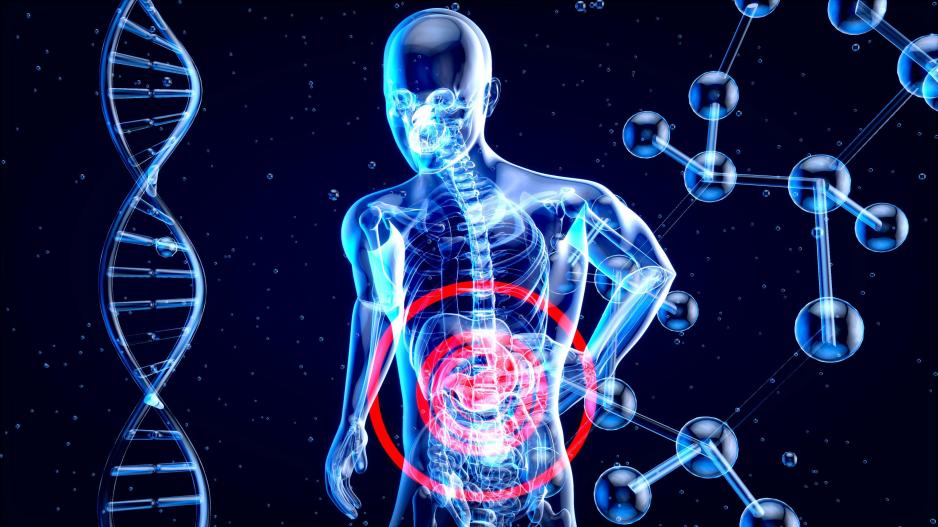
Insulin resistance is essentially a state of cellular mutiny where the body's cells ignore insulin, effectively locking out the very glucose they need for energy. In a healthy system, insulin acts as a master key minted by the pancreas to unlock these cells seamlessly, but chronic stress, poor diet, and inactivity warp the locks. Stranded sugar builds up in the bloodstream, forcing a panicked pancreas to pump out overwhelming amounts of insulin to slam the doors open. Eventually, this brute-force method fails; the pancreas burns out, blood sugar spikes, and the body enters the danger zone of pre-diabetes. This invisible, slow-motion bottleneck leaves the body suffocated by its own fuel, creating a global metabolic crisis that now affects over one in three adults worldwide.
The global demographic profile of insulin resistance has fundamentally shattered old medical stereotypes. Historically viewed as an ailment exclusive to affluent, older populations, it has aggressively transitioned into a borderless, multi-generational crisis. Today, the highest concentrations are surging across the Middle East, the Pacific Islands, and North America, where shifting food supplies heavily favor ultra-processed carbohydrates. Economically, it disproportionately hits lower-to-middle-income demographics who suffer from a lack of access to fresh, whole foods. Most alarming, however, is the collapse of the age barrier: pediatric clinics worldwide are now managing insulin resistance in pre-teens, tracking directly alongside a massive global spike in childhood obesity and screen-dominated lifestyles.

Insulin resistance isn’t a disease you "catch", it is built over time through environmental, genetic, and lifestyle factors:
- Excess Visceral Fat: Fat stored around organs (especially abdominal fat) secretes inflammatory chemicals that disrupt insulin signaling.
- Physical Inactivity: Muscle tissue is the primary consumer of glucose. Inactive muscles require more insulin to absorb sugar.
- The Modern Diet: Constant exposure to refined carbohydrates, sugars, and seed oils causes chronic spikes in insulin.
- Chronic Stress and Poor Sleep: High levels of cortisol (the stress hormone) directly trigger glucose release into the blood, forcing insulin levels to stay elevated.
Insulin resistance is notoriously stealthy, but it leaves distinct breadcrumbs:
The "Stubborn" Midsection:
- Difficulty shifting fat around the belly.
The Post-Meal Crash:
- Feeling intensely tired or craving sweets right after eating.
Skin Changes:
- Dark, velvety patches of skin (Acanthosis Nivricans) around the neck or armpits, and frequent skin tags.
Brain Fog and Fatigue:
- Cells are literally starving for energy despite plenty of glucose being in the blood.
Frequent Urination & Constant Thirst:
- Early indicators that the body is trying to flush out excess sugar.

Cyprus is facing an alarming surge in metabolic issues. According to data from the International Diabetes Federation (IDF), diabetes prevalence among Cypriot adults sits around 9.7% to 10.4%, placing Cyprus among the higher brackets in Europe. Furthermore, the World Health Organization notes that over 60% of adults in Cyprus live with being overweight or obese. Because insulin resistance is the direct predecessor to Type 2 diabetes and obesity, it means a massive portion of the island's population is currently insulin-resistant.
Historically, the Mediterranean diet protected the region. However, a rapid shift toward a Western lifestyle, characterized by high-stress routines, long desk hours, and a high consumption of fast, processed foods, has caused metabolic disorders to skyrocket locally.
Historically regarded as a condition affecting older adults (50+), the age bracket for insulin resistance has cratered.
- The Average Peak: The most common age group diagnosed with visible metabolic syndromes or Type 2 diabetes is adults aged 45–65.
- The Rising Tide: Shockingly, insulin resistance is increasingly diagnosed in young adults aged 18–35 and even teenagers.
Local studies tracking university students in Cyprus have noted a worrying rise in high waist-to-hip ratios and elevated early diabetes risk factors, fueled by energy drinks, fast food, and lack of exercise.

The good news? Insulin resistance is highly reversible without relying solely on lifelong medication. The solution lies in fixing the environment around your cells:
Metabolic Nutrition:
- Shift away from a "low-fat, high-carb" diet. Return to the traditional, authentic Mediterranean diet: plenty of wild greens, olive oil, lean proteins, and fiber, while cutting out refined sugars and processed flours.
Muscle As a Glucose Sink:
- Both resistance training (weight lifting) and aerobic exercise make cells inherently more sensitive to insulin, creating an alternative pathway for sugar disposal.
Smart Fasting:
- Giving the body chunks of time without food (like a 12-to-16-hour overnight fast) allows baseline insulin levels to finally drop, teaching the body to burn fat for fuel again.
Medical Alignment & The Ozempic Revolution:
- Under clinical guidance, traditional interventions like Berberine or Metformin are heavily utilized to restore cellular sensitivity. However, the paradigm has shifted with the rise of GLP-1 receptor agonists like Ozempic (Semaglutide). By mimicking gut hormones to delay gastric emptying, curb intense sugar cravings, and signal the pancreas to release insulin more efficiently, these targeted medical therapies provide a powerful metabolic reset, giving patients a critical runway to establish permanent lifestyle changes.