Struggling After Vacation? These Simple Shifts Will Make Work Easier
Transition From Relaxation Back to Routine With These Practical Tips
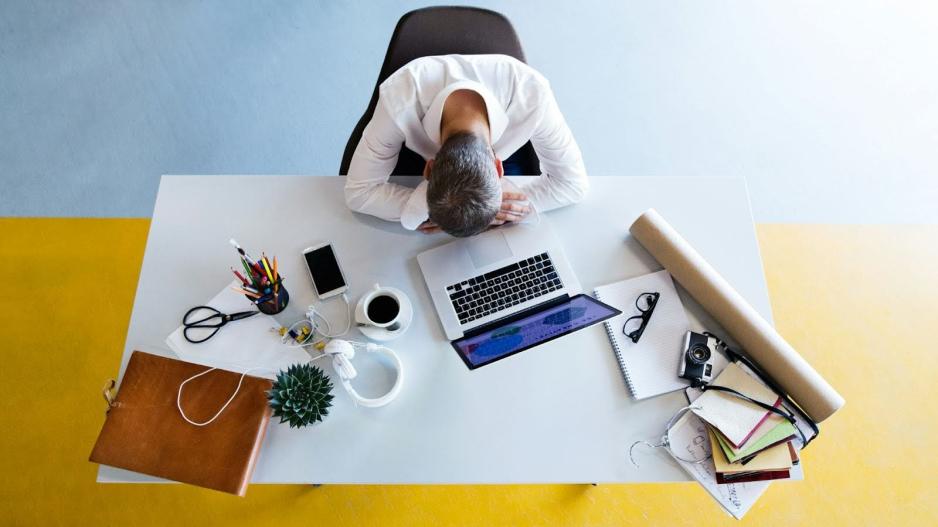
Returning to work after a relaxing summer holiday can feel jarring. The shift from leisurely mornings and slow afternoons to a buzzing inbox and tight deadlines often leaves employees feeling disoriented and drained. This post-holiday transition is so common that psychologists refer to it as the “post-vacation slump.” While it may seem inevitable, understanding why it happens and how to manage it can make the difference between a rocky restart and a productive re-entry.
The reality is that vacations have proven benefits. Research shows they boost sleep, reduce sedentary time, and improve overall well-being, even lasting up to two weeks after returning to work. But without mindful reintegration, these gains can quickly disappear under the weight of workplace pressures. By learning why the slump occurs and applying practical strategies, you can extend the holiday glow well into your working weeks.
The most immediate stressor is the deluge of digital communication upon returning, from relaxing holiday mornings to an avalanche of notifications. According to Microsoft’s 2025 Work Trend Index, the average knowledge worker receives 117 emails and 153 Teams messages per weekday, and workplace interruptions, including chats and meetings, occur on average every two minutes, tallying up to 275 disruptions per day. Additionally, 57% of meetings happen without prior scheduling, which breaks focus and sharply disrupts the brain’s rhythm, making readjustment especially jarring.
The rhythm of work has not just sped up; it’s become relentless. A Wall Street Journal analysis highlights that evenings and weekends are now for many workers an extension of the workday, with 16% more meetings after 8 p.m. compared to the previous year, and nearly a third returning to their inbox by 10 p.m. This blur between work and rest means that the usual decompression time from vacation is swallowed by digital chaos.
Finally, burnout remains a looming risk. The World Health Organization recognizes burnout as an occupational phenomenon, caused by chronic workplace stress that isn’t successfully managed. Returning abruptly to long workdays and constant demands erodes the psychological detachment that made your holiday restorative in the first place, setting the stage for stress to creep back in.
The good news is that vacations don’t just refresh you in the moment—they leave behind measurable benefits that you can carry into your work life. A 2025 meta-analysis in the Journal of Applied Psychology confirmed that vacations provide a larger, longer-lasting boost to well-being than previously assumed, particularly when workers truly disconnect from emails and engage in physical activity.
These effects matter not only to individuals but also to organizations. Engaged employees are more productive, innovative, and loyal. With Gallup estimating that global engagement could add $9.6 trillion to GDP, it’s clear that making re-entry smoother isn’t just a personal goal, but equally a business imperative.
-
Create a “soft landing” day: If possible, schedule your first day back as a buffer rather than a sprint. Use it to catch up, organize, and prioritise rather than diving into heavy meetings or projects. By easing into tasks, you’ll reduce stress and give yourself time to mentally transition from holiday to work mode.
-
Tackle your inbox strategically, not emotionally: Start by sorting your emails by sender or subject to identify what truly matters. Delete or archive non-essential messages, delegate where possible, and flag only those requiring thoughtful responses. A simple system like the “delete, delegate, defer, do” method helps you regain control quickly. Remember: you don’t need to answer every email immediately to be effective.
-
Re-establish your work rhythm with rituals: Block two or three focused work periods each day (90 minutes at most) and pair them with rituals you enjoy—like coffee in a quiet space, a short walk before deep work, or ending the day by writing a quick “tomorrow’s priorities” list. Small, repeatable actions rebuild momentum and create structure.
-
Protect your mental space from meetings: Meetings often pile up after holidays, but they don’t have to dominate your week. Politely decline or postpone non-essential ones, and suggest asynchronous updates when possible. Studies show that even one meeting-free day per week boosts productivity and lowers stress.
-
Reintroduce vacation habits: Whether it’s daily walks, outdoor lunches, or earlier bedtimes, carrying over small routines helps maintain holiday benefits. Research shows that even simple habits like better sleep or more movement—common during holidays—can persist for weeks and improve energy levels.
-
Prioritise connection, not just tasks: Reconnecting with colleagues can ease the psychological gap between holiday and work. Instead of only diving into to-do lists, take a few minutes to catch up with teammates. A quick coffee or chat fosters a sense of belonging and reduces the alienation many people feel after being away.
-
Reset your boundaries early: After a holiday, it’s easy to slip into long hours to “catch up.” But setting boundaries—like finishing at your usual time or avoiding evening inbox checks—protects the rest you’ve gained.
-
Be kind to yourself: Recognize that adjustment takes a few days. Pace your workload and celebrate small wins.
The post-holiday slump is real, but it doesn’t have to derail your momentum. By understanding why it happens and intentionally easing back into routines, you can preserve the restorative effects of your vacation and re-enter work with clarity and energy. The key is not to rush but to design your first week back as a bridge—one that helps you carry the glow of summer into the rhythm of everyday productivity.