From Therapy to TikTok: The Rise of Public Venting
Exploring the New Normal of Therapy, Self-Diagnosis, and Social Media
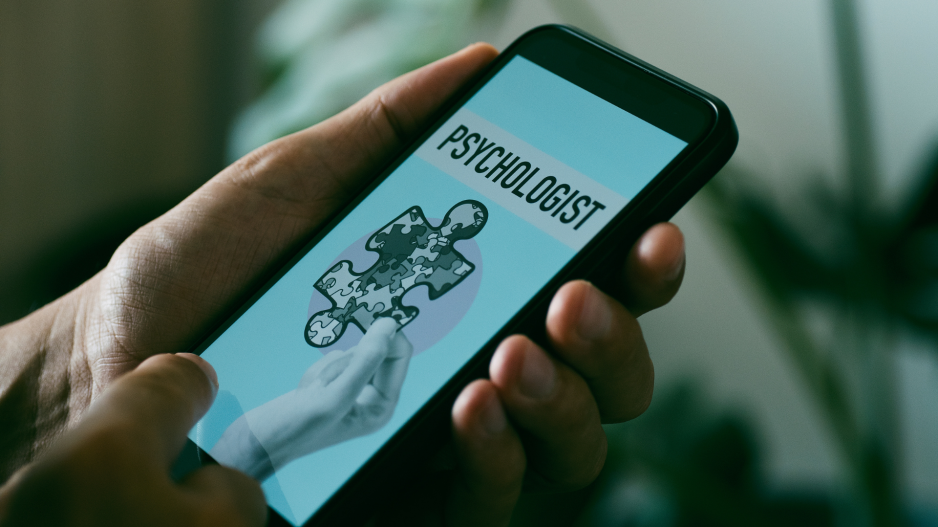
As therapy couches are increasingly replaced by smartphone screens, a new form of emotional expression has emerged: public venting on Social Media. This phenomenon, particularly prevalent among Gen Z, involves users sharing personal struggles, traumas, and mental health challenges through short videos, often accompanied by trending hashtags like #MentalHealthTok and #TraumaDump. While this digital catharsis offers a sense of community and validation, it also raises questions about the implications for mental health and the boundaries of online sharing.
On platforms like X and TikTok, “venting” has become content, and content has become therapy. A scroll through these apps today reveals countless “vent” videos—ranging from raw confessions and tearful breakdowns to highly edited monologues that blend vulnerability with performative polish.
According to a study by Psychology Today, over 80% of Gen Z TikTok users have engaged with mental health content, and many report feeling less alone because of it. The American Psychological Association notes that TikTok’s short-form format enables mental health conversations to feel approachable, destigmatizing the very act of talking about feelings—something past generations often avoided. For some, these digital diaries are not just a cry for help, but a way of processing life’s chaos in the company of millions.
Another dimension is the rise of “mental health influencers”—creators with no clinical background offering tips on anxiety, depression, ADHD, or trauma. While some content is grounded in genuine experience and empathy, others veer dangerously close to pseudo-therapy. A 2022 study in the Canadian Journal of Psychiatry found that videos tagged #ADHD were viewed more than 2.3 billion times, yet over half included misleading or oversimplified information.
For some therapists, this trend is a double-edged sword. “TikTok has cracked open conversations around mental health in a way that’s unprecedented,” says Dr. Danielle Ramo, a clinical psychologist and researcher at UC San Francisco. “But it’s also flattened those conversations, making complex issues seem instantly solvable with the right ‘hack’ or morning routine.”
Once whispered about or reserved for the deeply distressed, therapy has undergone a radical rebranding in recent decades—emerging not just as a form of treatment, but as a cultural touchstone. For Millennials and Gen Z especially, therapy is no longer a taboo topic, but a badge of honor; a signal of self-awareness, emotional maturity, and even social currency.
In Cyprus, approximately 17.2% of the population—about one in six individuals—experience mental health issues, slightly above the European Union average of 16.7%. This prevalence underscores the growing demand for mental health services across the region. In 2021, Cyprus recorded 57,192 prescriptions for antidepressant medications, and 12,000 individuals were diagnosed with an emotional disorder. These figures highlight the increasing reliance on medical interventions to address mental health concerns.
Across the European Union, mental health challenges have been exacerbated by recent crises, including the COVID-19 pandemic. The European Commission reports that nearly half of EU citizens have experienced emotional or psychosocial problems, and about 25% have encountered difficulties accessing mental health services.
Much of this shift is generational. According to the American Psychological Association, Gen Z is the most likely generation to seek therapy, with over 37% having worked with a mental health professional by their early twenties. Unlike Baby Boomers or Gen Xers, who often grew up in cultures that equated emotional expression with weakness, younger people view therapy as a vital tool for self-improvement—akin to working with a personal trainer or nutritionist.
This change has also been shaped by representation, with mainstream media and popular shows featuring therapy as a common narrative device, as well as well-respected celebrities speaking candidly about their experience with therapy, helping to normalize the practice. Then there’s the tech factor. The rise of teletherapy platforms like BetterHelp, Talkspace, and Headway has made access to mental health care more convenient and scalable than ever before. While the quality of care via apps is still debated in clinical circles, the convenience has opened the therapy door for millions previously underserved.
Therapy is also infiltrating the workplace. Companies like Google, Netflix, and PwC now offer mental health benefits and encourage employees to take “mental health days.” The World Health Organization even updated its guidelines on workplace mental health in 2022, urging employers to adopt a more holistic approach to employee wellbeing. In Cyprus, companies like Deloitte Cyprus have implemented comprehensive well-being strategies that encompass mental health support, promoting a culture of inclusiveness and respect. Similarly, Parimatch Tech has been recognized for its commitment to employee well-being, offering a range of benefits including psychological services and flexible working arrangements.
In the digital age, the boundaries between traditional therapy and social media have become increasingly intertwined. Platforms like TikTok and Instagram are not only spaces for entertainment but have also evolved into arenas where mental health conversations flourish.
The rise of "therapy influencers"—licensed professionals who share mental health advice on social media—has made psychological insights more accessible to the public. While they aim to educate and destigmatize mental health issues, the blending of personal branding with therapeutic advice raises ethical considerations.
Some therapists incorporate clients' social media activity into sessions to gain insights into their experiences and behaviors. A study by McLean Hospital and Harvard Medical School found that over 60% of surveyed clinicians had viewed patients' social or electronic media as part of psychotherapy, often at the patient's suggestion. This practice can provide valuable context but also requires careful consideration of privacy and consent.
At the same time, the language of therapy has begun to seep into everyday discourse online. Terms like “anxiety,” “ADHD,” “trauma response,” and “attachment style”—once confined to clinical discussions—are now common hashtags, captions, and punchlines. Complex psychological concepts have been distilled into digestible, often oversimplified trends, creating an illusion of quick fixes and instant understanding. While this diffusion can make mental health more approachable, it also risks reducing nuanced diagnoses to viral soundbites.
This cultural shift has encouraged many to engage in self-diagnosis, adopting labels and narratives they encounter on social media as a way of explaining their inner worlds. The accessibility of mental health content online offers validation and community, yet it also blurs the line between informed self-awareness and premature self-labelling.
Public venting has become a natural extension of this phenomenon. The same platforms that offer a sense of belonging can also incentivize oversharing, as algorithms reward emotionally charged content with greater visibility. What starts as an earnest expression of vulnerability can morph into a cycle of increasingly raw disclosures, as creators feel the pressure to sustain audience engagement.
As the worlds of therapy, self-diagnosis, and public venting continue to intertwine, it is essential to approach this new landscape with both openness and caution. The normalization of mental health discussions has been a positive step in destigmatizing seeking help. Yet, the blending of personal storytelling with self-diagnosis on social media requires thoughtful boundaries. Mental health professionals emphasize the importance of critical thinking when consuming online content and encourage users to seek professional guidance when exploring concerns about their wellbeing.
For creators sharing their mental health journeys, mindfulness about audience impact, consent, and the potential for harm is key. Platforms can also play a role by implementing features such as content warnings, mental health resources, and algorithmic safeguards to ensure that emotional expression online does not inadvertently perpetuate harm.
As we navigate this new normal, it is vital to remember that while social media can be a catalyst for connection, it is not a substitute for therapy. The goal must be to create a culture where openness is encouraged, but where healing remains grounded in expertise, care, and community.