Myths, Ghosts, UFOs, and Conspiracies: The Urban Legends of Cyprus
From medieval queens and mischievous spirits to modern UFO sightings and political conspiracy theories, Cyprus remains a fertile ground for myth and mystery.
From Byzantine queens and hidden treasure chambers to modern-day UFO sightings and political conspiracy theories, Cyprus is a land where myth and mystery blend into everyday reality. Across generations, Cypriots have told tales that hover between folklore and fiction, a rich cultural tapestry that reflects both the island’s ancient past and its complex present.
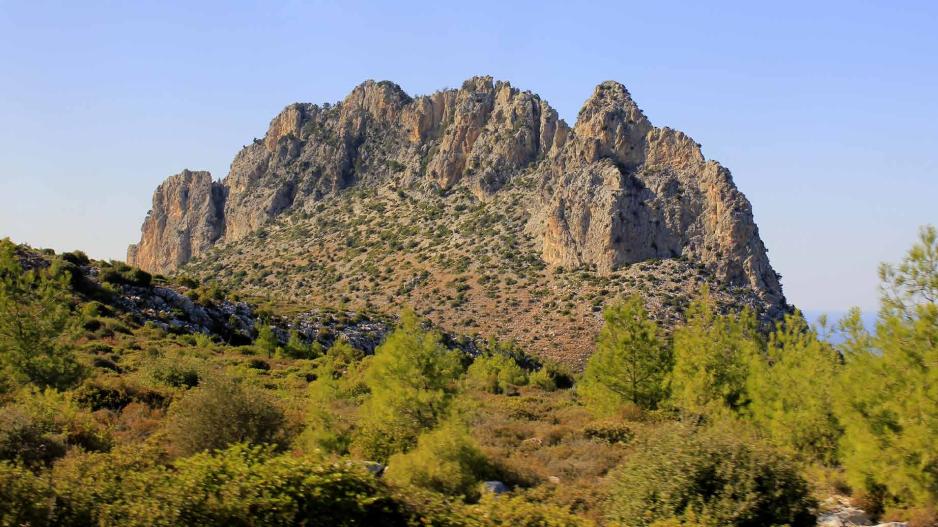
Perhaps the most enduring figure in Cypriot folklore is the legendary "Rigaina" – the Queen – who is said to have lived in the castles of the Pentadaktylos mountain range. According to local legend, her treasure remains hidden in a sealed chamber inside the Buffavento Castle, only opening briefly at midnight on New Year’s Eve. Her story is often intertwined with that of Digenis Akritas, a Byzantine warrior whose handprint is believed to be carved into the rock high in the mountains – proof, some say, of his battle with death itself.
These tales, often transmitted orally, are part of the island’s medieval cultural memory, where the line between real and imagined is beautifully blurred.
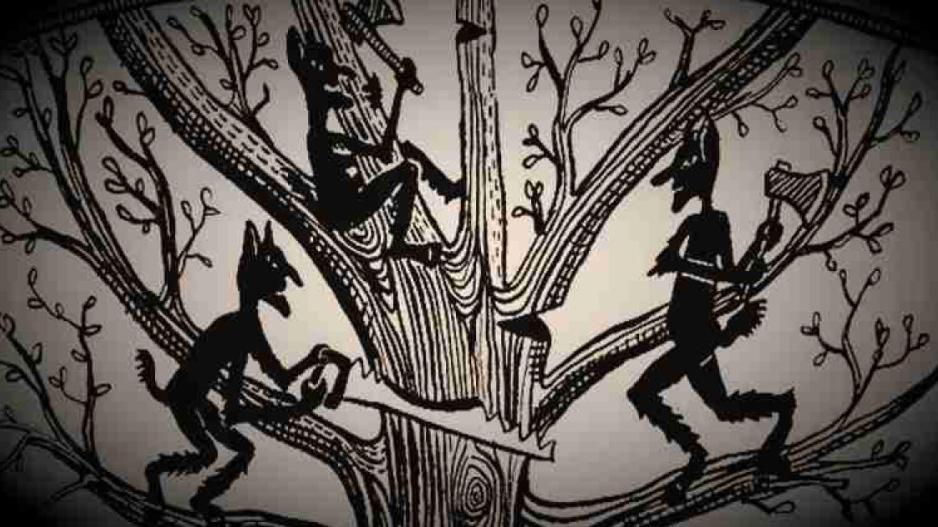
Every Cypriot child knows the story of the Kalikantzaroi – mischievous goblins who appear during the 12 days of Christmas, causing chaos and playing pranks until they are banished again at Epiphany. In Cyprus, these creatures go by various names like plánitaroi or karkatzelia, and though the belief has faded, the tradition lives on in stories shared during winter nights.
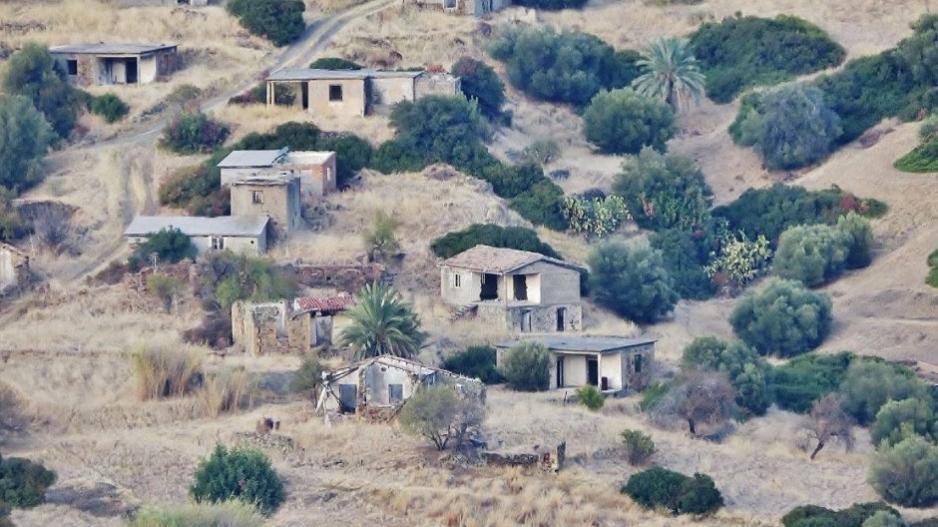
Modern urban myths are often rooted in historical trauma. The many abandoned villages across Cyprus, especially those left deserted after the 1974 division, have taken on an eerie life of their own. Overgrown with nature, filled with empty homes and broken furniture, these “ghost villages” fuel local imaginations, becoming the perfect backdrop for supernatural tales – even if their origin lies in very real events of war and displacement.
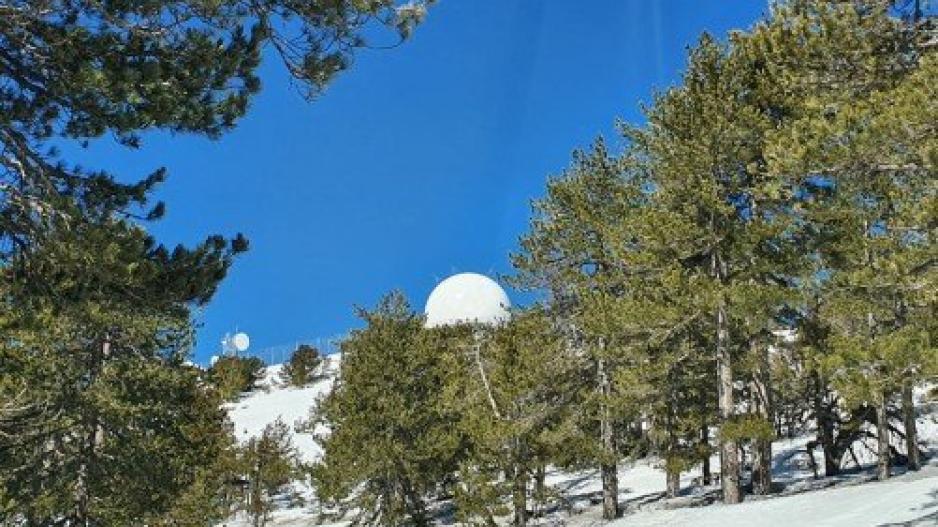
High up in the Troodos Mountains stands a massive white dome – a radar installation of the British RAF. Locals and tourists alike have often speculated about its true purpose, fueling urban legends that range from secret alien research to weather control systems. In reality, it's part of a modern air surveillance network, but its mysterious appearance has made it a frequent subject of speculation and conspiracy theories.
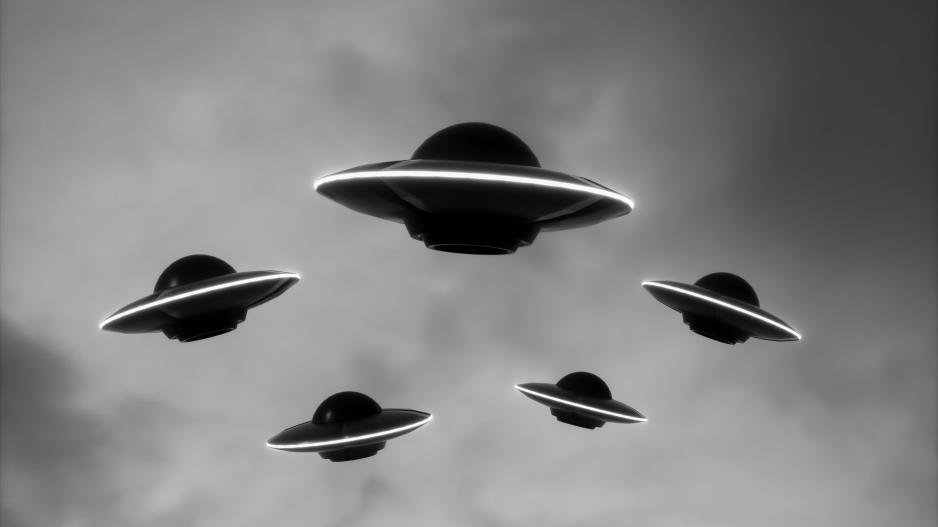
In the 1970s, there were even reports of UFO sightings in the Troodos region, including a British officer who allegedly witnessed a glowing blue object crashing into the forest, leaving behind a large crater. The incident remains officially unverified but lives on in Cypriot UFO lore.

The most persistent and emotionally charged conspiracy theories in Cyprus revolve around the 1974 invasion and its political backdrop.
One common myth is that Makarios’ speech at the UN on July 19, 1974, provoked Turkey’s military action. In truth, Turkey had already initiated its invasion preparations before that date.
These theories, while often baseless, reflect deep national anxieties and the unresolved trauma of division. As historian Marios Thrasyvoulou notes, “The lack of self-criticism has left fertile ground for conspiracy narratives to flourish.”

Cyprus hasn’t been immune to global conspiracy trends either. From beliefs that airplanes are spraying toxic chemicals (chemtrails) over the island, to online groups promoting fake Covid-19 cures like ivermectin, the island has seen its share of pseudo-scientific myths gain traction online.
While many of these ideas have been debunked, their spread points to a wider societal issue: distrust in institutions and a thirst for simplified narratives that make sense of a complex world.