Black Friday: How a “day of discounts” can actually change our behavior
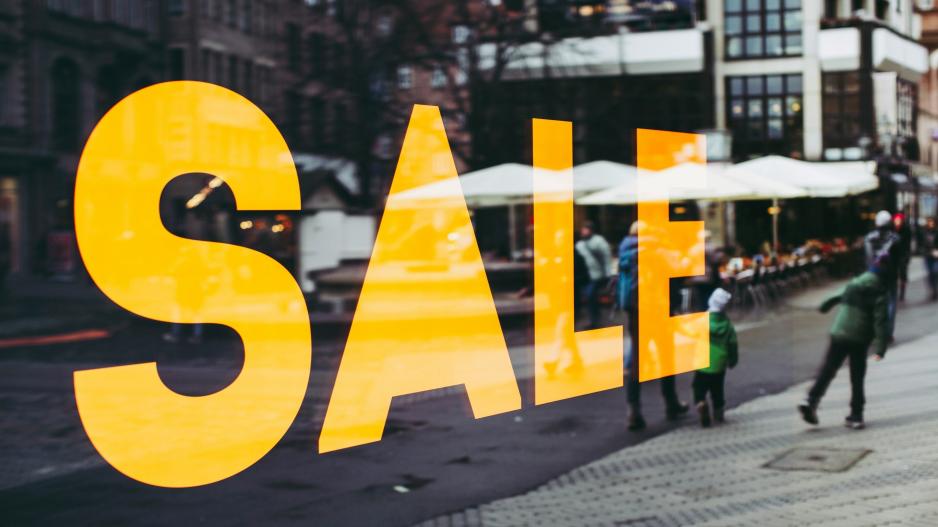
Every year, when November arrives, we see the same scene: notifications on our phones, banners everywhere, countdowns, “don’t miss it,” “last chance.” And just like that, Black Friday becomes part of our daily routine, whether we want it or not.
But what is Black Friday, really? Just a day of offers, or something much deeper?
The psychology behind the “big deal”
Black Friday is built on one thing: FOMO. The fear of missing out on something good. And the more we see it around us, the more we feel that we have to buy. Not because we truly need something, but because we don’t want to miss the “perfect offer.”
The need to feel like we’re winning
We all want to feel smart about our purchases. Black Friday gives us that small feeling of success, like we “won” something, like we made the right choice at the right time. And that’s exactly why we often end up buying things we never even thought about before.
How it actually affects people
It changes our priorities. Something that didn’t matter yesterday suddenly becomes a must. It pushes us into a fast, pressure-filled consumer mindset. It makes us chase the “best price” instead of looking at what we truly need. It can bring excitement, but also stress — especially when we feel that “if I don’t buy it now, I’ll miss it.”
And still, it has a positive side
For many people, Black Friday is an opportunity to:
- get something they’ve wanted for a long time,
- cover household or work needs,
- treat themselves without overspending.
The key is to see it as a tool, not a pressure. Personally, here’s how I see it. Black Friday isn’t just a discount day. It’s a mirror that reflects how we behave as consumers, how easily we get influenced, and how strongly we want to feel that we’re “winning.” And in the end, that’s the most interesting part: not the offers themselves, but what they reveal about the way we think.