The War You Don’t See — And the Technology You Feel
Today, War Lives in Your Pocket.
There was a time when war felt distant. It belonged to maps, history books, and breaking news alerts that came and went. You watched it, maybe felt something for a moment, and then returned to your life.
That distance no longer exists.
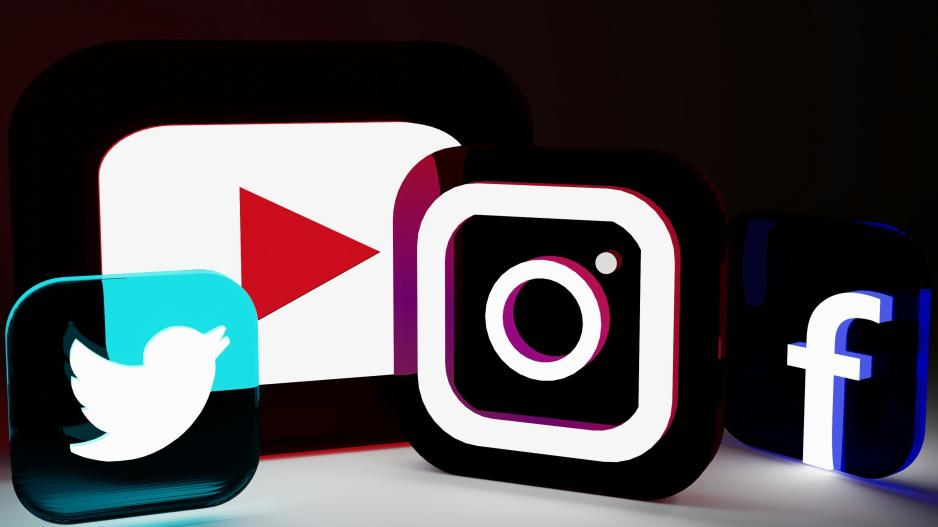
Today, war lives in your pocket. It appears between a coffee photo and a funny video, inside platforms like TikTok, Instagram, and X. It is no longer something you observe from afar. It is something you experience, constantly, quietly, and often without realizing it.
The battlefield has changed. It is no longer defined only by geography, but by attention.
Modern conflict is not just about territory or power. It is about perception. It is about controlling narratives, shaping emotions, and influencing how millions of people interpret reality. Technology has made this possible at a scale we have never seen before. A single video, a single image, a single sentence can travel across the world in seconds and trigger reactions before facts have time to catch up.
And this is where things become uncomfortable.
Because we like to believe we are informed. We think that by consuming more content, we understand more. But in reality, we are often exposed to fragments, emotional, selective, and carefully amplified. Algorithms are not designed to show you the full picture. They are designed to keep you engaged. And nothing keeps people engaged more than strong emotion.
Fear spreads faster than context. Anger travels faster than truth.
Without realizing it, we begin to absorb all of this. Even if the events are happening far away, the emotional impact feels close. You scroll for a few minutes, and suddenly you carry tension, frustration, even helplessness. Not because your life has changed, but because your environment, your digital environment has.
This is the part no one really talks about.
We are no longer just consuming war. We are internalizing it.
Technology itself is not the enemy. It does not choose sides. But it does shape what we see, how often we see it, and the intensity with which we experience it. Over time, that shapes what we believe. Not through force, but through repetition.
And perhaps the most dangerous illusion is this: that we are simply observers.
We are not.
Every reaction matters. Every like, every share, every comment pushes a piece of content further. We are not just part of the audience. We are part of the distribution. We help decide what gets seen, what gets amplified, and ultimately, what feels important.
This is where responsibility becomes personal.
Because in a world where information moves faster than understanding, the most valuable skill is not access to content. It is control over how you process it. The ability to pause, to question, to step back from what feels overwhelming or too perfectly designed to trigger you.
Not because you don’t care, but because clarity matters more than reaction.
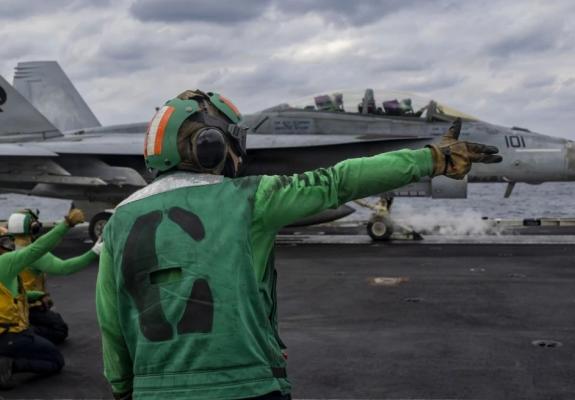
The nature of war has evolved. It is still fought on the ground, but it is also fought through screens, through narratives, through emotion. And maybe the most important battlefield today is not a place you can point to on a map.
It is your mind.
Because in the end, the strongest influence is not technology itself. It is what you allow yourself to believe.