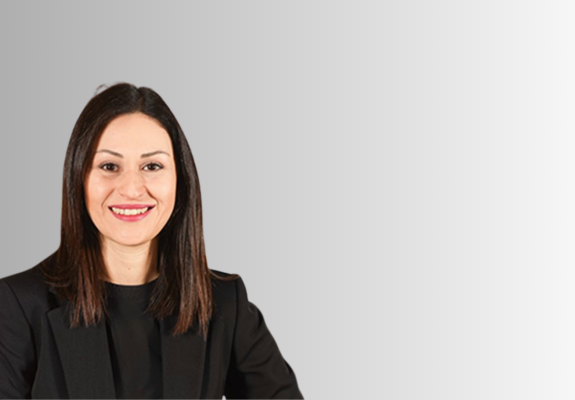
Kristy Agapiou: The Power of Sustainable Success from Global Runways to Clinical Nutrition
Bridging the Gap Between High-Fashion Discipline and the Reality of Modern Motherhood.

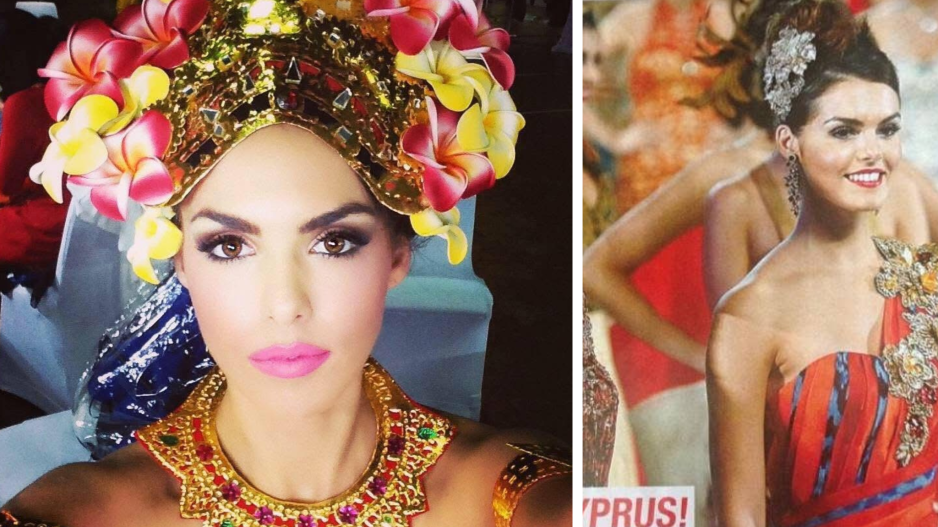
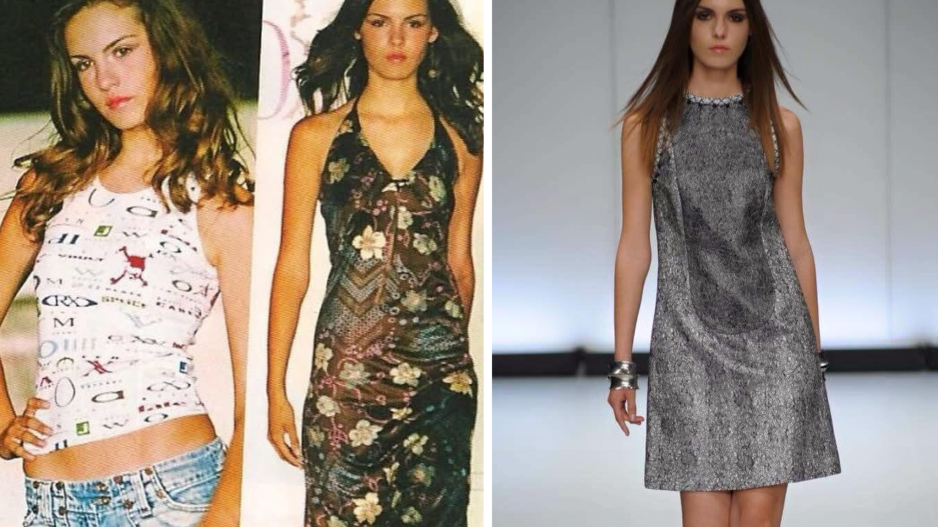
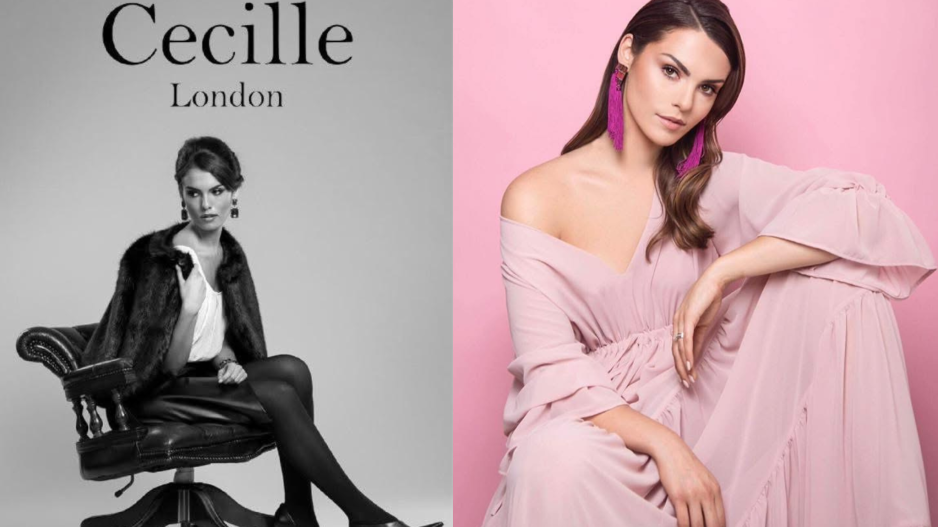
Born in 1992, Kristy Agapiou is a Cypriot clinical dietitian, entrepreneur, and former international model. Her career began at age 11, leading to major milestones including representing Cyprus at Elite Model Look 2009 in Prague and Miss World 2013.
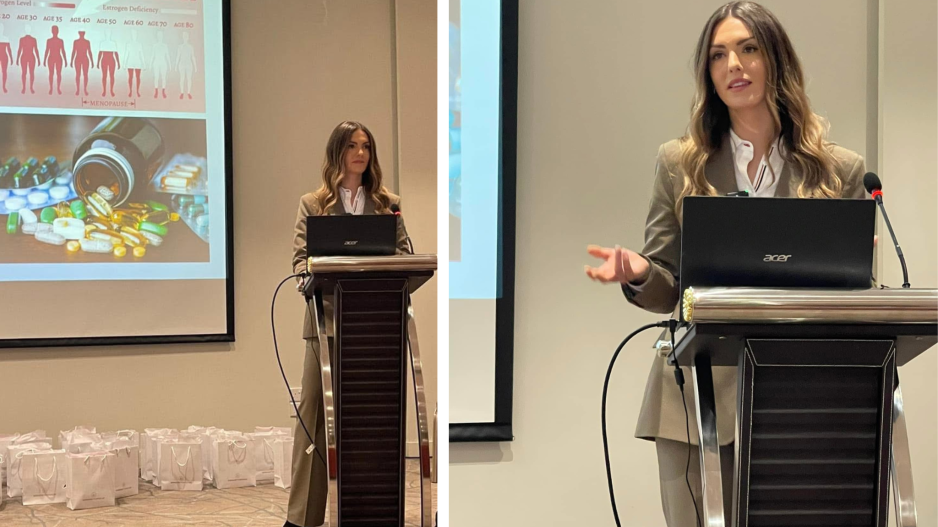
While modeling in London and Newcastle, Kristy pursued rigorous academics, earning a BSc in Food and Human Nutrition from Newcastle University and an MSc in Clinical Dietetics from the University of Nicosia. This scientific foundation led her to found Nutrition House by Kristy Agapiou Livadhioti, where she now provides evidence-based care in Larnaca.
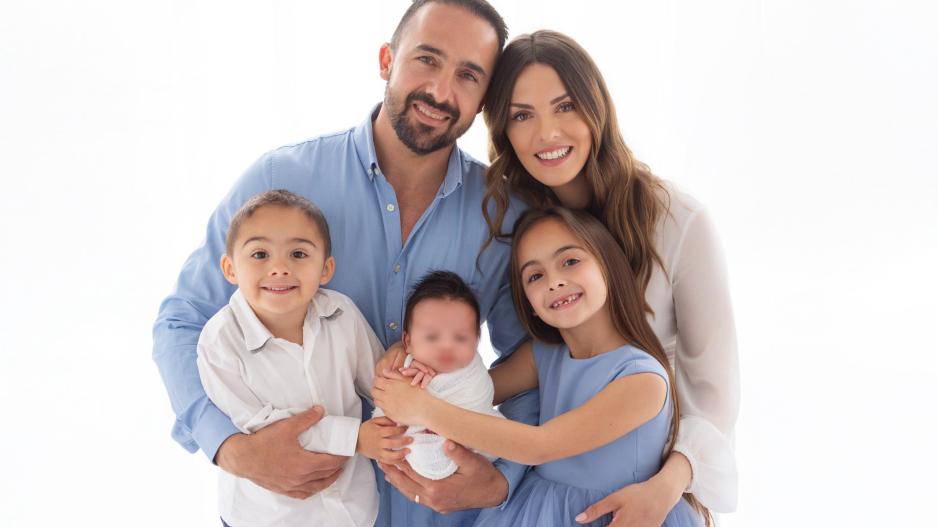
Today, Kristy balances her clinical practice with her role as a wellness content creator and her most cherished achievement: motherhood. A proud mother of three, she recently welcomed her third child in March 2026, embodying a journey of ambition, resilience, and clinical expertise.
You’ve worn many hats; model, nutritionist, wife, and mother. What does the reality look like behind the scenes, and how has it reshaped your priorities both personally and professionally?
Behind the scenes, it’s far less polished and glamorous than people imagine. Modelling taught me discipline and how to perform under pressure, that not everyone will like you and it’s not one size fits all , but motherhood completely changed my definition of success. After having children, especially three , I realized that productivity without wellbeing is unsustainable.
I am in a place in my life where I feel content. I do love my job but I feel like my main job is raising our three children to be kind , hardworking and compassionate humans. I’ve learned to stop chasing perfection in either. Professionally, I’m now much more interested in sustainable health rather than aesthetic-driven wellness. Of course we still look at appearance but nutrition is much more than that. As a clinical dietician and mother, I see firsthand how deeply nutrition, sleep, hormones, stress, and mental load are connected. Personally, my priorities shifted from achievement and appearance to energy, emotional presence, and creating stability at home. I care less about doing everything and more about doing the right things well. Some things come first and some things can be done on a different day.
For mothers who feel constantly depleted, what are the three non-negotiable nutrients or habits that can actually help stabilize energy levels?
First, adequate protein. Many mothers unintentionally under-eat, especially during postpartum or while juggling busy schedules. Protein is essential for blood sugar regulation, hormone production, muscle recovery, and sustained energy. I encourage starting the day with a protein-rich breakfast while still balanced with fiber and complex carbs instead of relying purely on caffeine. Second, iron and overall micronutrient status. Low iron, vitamin D deficiency, magnesium depletion, and inadequate omega-3 intake are incredibly common in mothers, particularly after pregnancy and breastfeeding. Persistent fatigue is often dismissed as “normal motherhood,” when nutritionally there may be deficiencies that need proper assessment. Third, nervous system regulation and sleep quality. No supplement can fully compensate for chronic stress and sleep deprivation. Even small habits such as getting morning sunlight, eating consistently throughout the day, reducing overstimulation, and asking for practical support can significantly improve energy regulation. I feel like it’s best to set realistic goals for yourself as a mum because we have so many roles that maybe some goals just need more time and organisation.
Nutrition advice online can often be overwhelming or misleading. From a professional standpoint, what are the biggest misconceptions currently influencing new mothers?
One of the biggest misconceptions is the pressure to “bounce back” physically soon after giving birth. Not all women bounce back the same and maybe it’s not about bouncing back but becoming a better version of yourself. Many women are encouraged to restrict calories or pursue aggressive weight loss before their bodies have fully recovered hormonally and metabolically. I like to focus on moving forward and becoming a better version of yourself , becoming even better than before. Our body grew a baby and gave birth to it after 9 months so it will need time to recover , and go back to the way it was before.
Another issue is the glorification of extremes; cutting out entire food groups, over-supplementing, detoxes, or following unrealistic wellness routines that aren’t practical for mothers caring for young children. Most women do not need perfection; they need consistency, nourishment, and realistic strategies. You see all these wellness routines advertised by influencers on social media to walk 10k steps daily , or to drink a specific cleanse juice etc which is overwhelming for a new mum or for anyone. Not everyone has the same 24 hours in one day. Constant fatigue, anxiety, hair loss, digestive issues, and burnout are often brushed off as part of motherhood, when in many cases they deserve proper clinical attention and support.
Running a career while raising three children requires more than motivation. What systems, routines, or support structures have been essential in making it sustainable?
Structure and being organised and realistic has been everything for me. I rely heavily on routines, meal preparation and simplifying decisions wherever possible. I used to think balance meant doing everything equally every day, but now I understand it’s more about creating systems that reduce unnecessary pressure. Support is also essential. Whether it’s a supportive partner, family help, childcare, or even outsourcing small tasks, mothers were never meant to carry everything alone. One of my biggest issues was wanting to do everything on my own but now with three kids you need some help and you can’t do everything alone. I think many women struggle because they feel they should be able to manage independently. I’ve also become very protective of my energy. I say "no" more often, I prioritize recovery, and I’ve stopped viewing rest as laziness. That mindset shift has probably been one of the most important changes for both my career and my health.
From your perspective, are workplaces and society doing enough to support working mothers, or is there still a gap that needs to be addressed?
There is definitely still a gap. We speak a lot about empowering women professionally, but many systems are still built around outdated expectations that don’t reflect the realities of caregiving and motherhood. I was and still am fortunate enough to have my own business and schedule my work around my children and my lifestyle and I understand that most women don’t have that flexibility or choice. There should be more flexible working arrangements, realistic maternity support that isn’t just 4 or 5 months of being off from work , accessible and affordable childcare, and understanding around mental load are still lacking in many industries. Often, mothers are expected to perform at full capacity while quietly absorbing the physical and emotional demands of raising children. I also think there needs to be a cultural shift in how we value caregiving. Motherhood develops resilience, emotional intelligence, adaptability, and leadership, yet many women feel pressured to hide that part of themselves professionally instead of being supported through it. I also think it may be good to educate men on postpartum as women are very emotionally loaded and need the support that most men don’t understand.
You operate at the intersection of health, business, and lifestyle. Where do you see the conversation around motherhood and professional identity heading in the next few years?
I think we’re moving toward a more honest and integrated conversation. Women no longer want to separate career success from wellbeing, family life, or personal identity. There’s growing awareness that burnout should not be the price of ambition.
I also believe mothers will increasingly shape the future of workplace culture, wellness, and healthcare conversations because they understand firsthand the importance of sustainability. We’re already seeing more women speak openly about mental health, postpartum recovery, fertility, hormones, and the invisible labor involved in motherhood. Professionally, I think the future belongs to more flexible, human-centered models of success; where women can build meaningful careers without sacrificing their health or their families in the process. We as women are very powerful and strong and we can literally do anything and everything one we put our mind to it.