Audit Office Rang the Alarm: Cyprus’ Firefighting System Was Already Burning
Delays, inflated costs, and poor planning in aerial firefighting contracts.
Just two months before Cyprus experienced the deadliest wildfire in its modern history, the country’s Audit Office had issued a damning report. The special report, published in May 2025, found that the Department of Forests failed repeatedly to secure essential aerial and ground firefighting assets in time, despite hard-earned lessons from the deadly Arakapas fire of 2021.
The audit revealed:
-
Chronic delays: Key tenders for aircraft, helicopters, and fire trucks were launched late or collapsed entirely. In some cases, contracts were awarded after the critical summer season had already begun or not at all.
-
Exclusionary practices: Several tenders accepted only aircraft certified by EASA (European Aviation Safety Agency), excluding ICAO-certified operators and severely limiting competition.
-
Ballooning costs: Total procurement costs soared by 27.5% over initial estimates, with €62.2 million ultimately spent instead of the projected €48.8 million.
-
Repeated tender failures: Aerial firefighting contracts were canceled due to lack of valid offers, while others went to single bidders with notable technical deviations.
The report described these issues as “a serious administrative failure” and explicitly noted they occurred after the 2021 disaster that killed four and burned 55 km². The General Auditor, Andreas Papaconstantinou, urged immediate corrective action and institutional accountability, warning that continued dysfunction posed “a threat to public safety and the island’s natural wealth.”
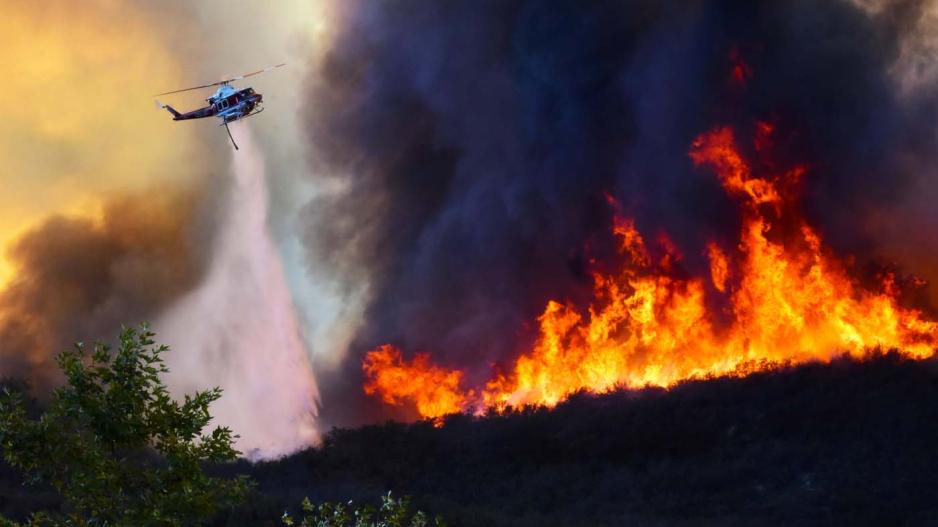
On July 24, 2025, the worst fears materialized. A wildfire in the Limassol district, fueled by strong winds and extreme heat, killed two people, left over 124 square kilometers of land scorched — the largest burned area in Cyprus’ history.
The fire effectively wiped out 2,5% of Cyprus’s free areas, displacing more than 100 people and overwhelming emergency shelters.
Despite growing public criticism, Interior Minister Marios Hartsiotis denied any government negligence, insisting the response was “immediate and massive.” He said now is “not the time for blame” but for firefighting and protecting lives.
Yet the Audit Office’s report suggests otherwise: the system was already broken, and it had been flagged well in advance.