Cyprus Buffer Zone Under Pressure as UN Sees New Opening for Talks
Security risks persist, but diplomatic engagement offers cautious hope.
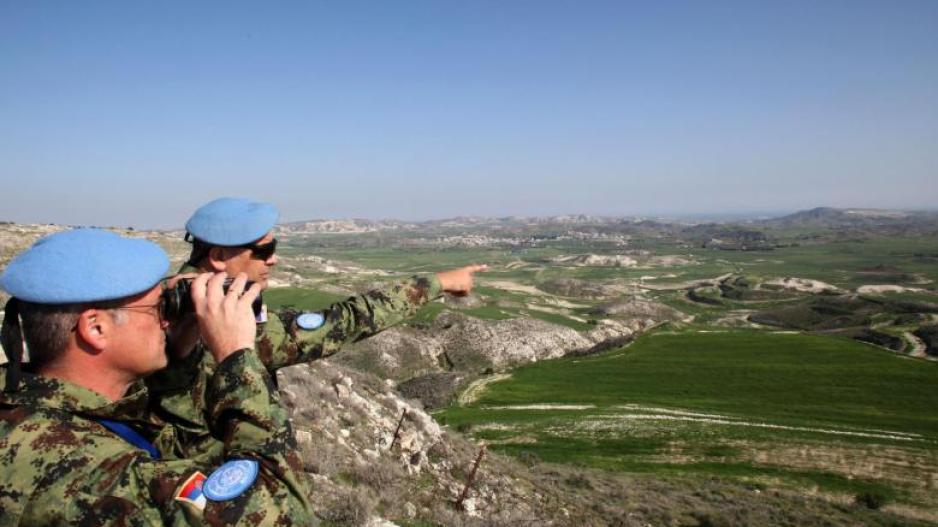
The situation in Cyprus’ Buffer Zone is “deeply concerning,” President of the Republic Nikos Christodoulides warned on Tuesday, as the United Nations acknowledged early signs of renewed momentum toward restarting Cyprus peace talks.
Speaking in Paphos during Epiphany celebrations, the President referred to ongoing provocations against Greek Cypriot farmers operating lawfully within the Buffer Zone. He confirmed contact with the Head of UNFICYP, who has travelled to New York ahead of a briefing to the UN Security Council.
“Our primary concern is the safety of farmers and all those who are legitimately active in the Buffer Zone,” Christodoulides said, adding that Cyprus is undertaking all necessary diplomatic démarches and other actions to ensure security and stability.
The comments coincide with UN Secretary-General António Guterres’ recommendation to renew the mandate of UNFICYP for another 12 months, until 31 January 2027. In his report, Guterres stresses the mission’s crucial role in maintaining calm, while expressing serious concern over military-related violations within and around the Buffer Zone.
The UN warns that new military installations and surveillance systems risk permanently altering the military status quo along the ceasefire lines. It also raises alarm over unauthorised constructions and the “deliberate blurring” of civilian and military infrastructure, a practice described as particularly destabilising.
Despite these concerns, the report notes that no major incidents occurred in the Buffer Zone over the past year and that both sides largely avoided major unilateral actions — developments the UN views as encouraging but fragile.
President Christodoulides said the Cyprus problem has reached “the time of substance,” reiterating Nicosia’s readiness to participate immediately in an expanded informal conference whenever convened by the UN Secretary-General.
That meeting, he stressed, would aim solely at resuming negotiations from where they collapsed in Crans-Montana in 2017.
Welcoming the “positive tone” of Guterres’ reports on UNFICYP and Good Offices, the President noted that this marks the first such shift in years. He recalled that talks had stalled for over two years, limited to confidence-building measures, due to the positions of former Turkish Cypriot leader Ersin Tatar.
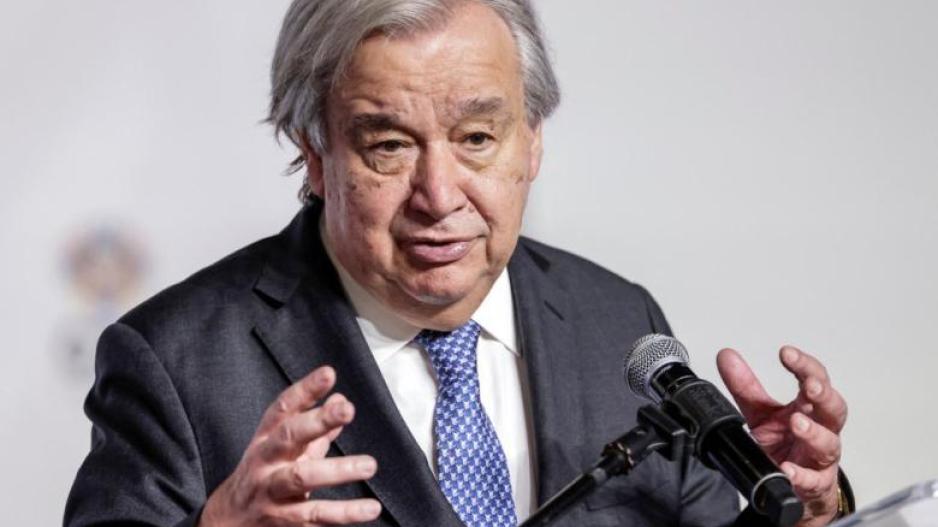
In parallel observations, Guterres identified a “new moment of opportunity” following intensified contacts between the leaders and the election of new Turkish Cypriot leader Tufan Erhürman in October 2025.
He highlighted informal expanded meetings in 2025 — including high-level talks in New York with Greece, Turkey and the UK — as significant steps after the longest period without active negotiations in the Cyprus peace process.
During a December 2025 meeting facilitated by UN envoy María Ángela Holguín, the two leaders discussed core political issues for the first time in over five years and jointly reaffirmed their commitment to a solution based on political equality, as defined by UN Security Council resolutions.
While welcoming renewed dialogue, Guterres urged stronger commitment to implementing pending confidence-building measures, particularly the opening of new crossing points, which he said could positively affect daily life, trade and intercommunal contact.
He reiterated concerns over unilateral actions in and around the Buffer Zone and reaffirmed the UN’s unchanged position on Varosha, citing Security Council resolutions 550 and 789. Restrictions on UNFICYP’s freedom of movement in Varosha and other areas were also criticised.
Despite cautious optimism, the Secretary-General stressed that further effort is required to transform early dialogue into meaningful negotiations.