Cyprus Youth Get Their News on Social Media—But Trust Official Sites the Most
New Youth Board of Cyprus survey maps what 14–35-year-olds read, watch and trust online, and the issues that worry them most.

The Youth Board of Cyprus published today a nationwide study on how young people consume information. The survey—conducted by IMR/University of Nicosia—shows that social media overwhelmingly dominate as the main news gateway for Cypriots aged 14–35, yet official news websites are considered the most reliable source.
Across topics, “current affairs” tops the list of interests (63%), followed by entertainment (60%) and career-related news on the job market and professional development (56%). Nearly one in two want updates specifically about youth opportunities and developments (49%), with sizable interest in education (44%), the environment (47%), social issues (52%) and politics (41%).
Focus-group discussions highlight three persistent anxieties: personal finances and limited prospects, the housing squeeze, and broader social tensions including migration, inequality and meritocracy concerns.
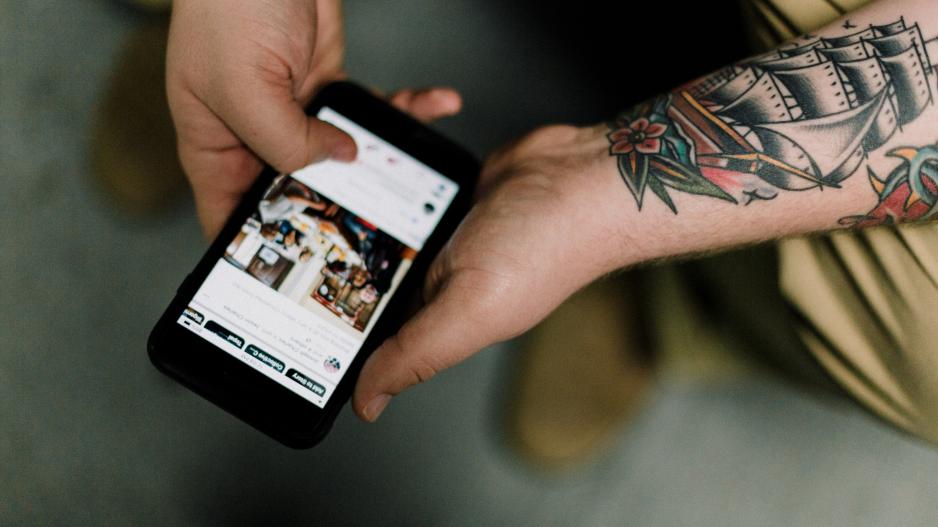
As a primary source, 74% cite social media—far ahead of any other channel. Looking beyond “main source” to overall use, 91% say they rely on social networks for information, while 39% mention official news websites, 33% say search engines, 26% TV, and 23% news apps/sites and family/friends among the sources they turn to.
Instagram is nearly ubiquitous (92% have an account) and the platform most frequently used (76%). Facebook remains widely present (88% have an account; 48% say it’s among their most used), while TikTok is entrenched among younger cohorts (53% have an account; 36% list it among their top platforms). On average, users spend about 108 minutes per day on Instagram and 111 minutes on TikTok, with the 14–17 group logging the heaviest usage.
Short videos under three minutes are the preferred on-ramp to complex topics: 84% watch them to get information in depth, and two-thirds also consume longer videos (3+ minutes) to learn new things. Podcasts are part of the mix as well—54% listen to short episodes (<15 minutes) and 46% to longer shows for deeper dives. More than half (55%) follow influencers, and 77% follow organisations; two-thirds (67%) search by hashtag to find content that matters to them.
Despite the dominance of social media in daily news habits, official news websites rank as the most trusted source (first choice for 36%; 59% when counting all mentions). Social media are trusted “at least fairly” by roughly half of respondents, while the other half express little or no trust (first choice for 24%; 37% when counting all mentions). The experience of misinformation is nearly universal: 88% say they have encountered fake news. To separate fact from fiction, 73% cross-check information with other sources; 40% watch for click-baity headlines or exaggeration; smaller shares cite platform warnings or defer to verified outlets and professionals.
Young people say the hardest part of staying informed is judging reliability (40%). Information overload (29%) and limited information on specific topics (29%) also get in the way; only a quarter report “no difficulty.” Focus-group participants describe sifting through high volumes of uneven-quality content and increasingly relying on cross-verification and visits to “official” sites when a topic truly matters.
The Youth Board says the findings will guide new programs, services and tools tailored to how young Cypriots actually search for and trust information—acknowledging that access to reliable, accurate content is a basic right for young people. The study blends nationwide polling with focus groups and in-depth interviews to translate habits into actionable policy and outreach.
IMR/University of Nicosia surveyed 1,000 young people aged 14–35 across Cyprus (urban and rural) in November–December 2024 via phone and online questionnaires, and ran six focus groups plus 15 in-depth interviews with 18–35-year-olds and youth workers. Sampling was random and stratified.