Parties Slam Government Over Tax Reform and Energy Policy
DISY and AKEL warn of rising inequality, investment risks, and looming “energy chaos” amid government reforms.
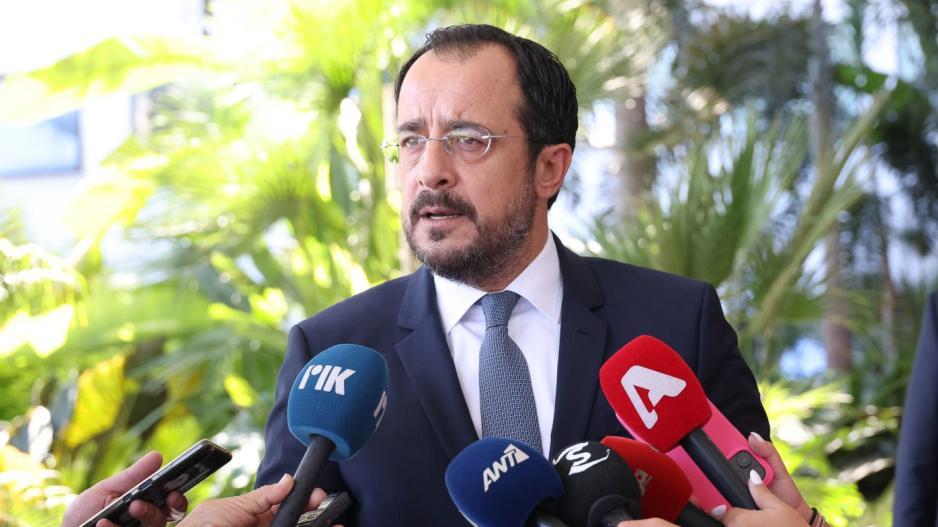
DISY leader Annita Demetriou accused the government of “dangerous experimentation” that undermines entrepreneurship. She emphasized that tax relief for the middle class and small businesses must not become a tool for granting “legislative overpowers.” Demetriou warned that such policies risk undoing the hard-won progress made in creating a favorable business environment after the financial crisis. She urged the government to engage in genuine dialogue with economic stakeholders and reaffirmed DISY’s position that tax reform should support families, students, and small- and medium-sized enterprises (SMEs), rather than obstruct investment and job creation.
AKEL raised different concerns, accusing the government of prioritizing high-income groups while burdening low- and middle-income households. The party argued that the reform, as presented so far, is not a true overhaul but one that risks worsening inequality and enabling tax evasion. AKEL has called for a fairer system with progressive income taxation, measures to tax wealth, reduced burdens on family-run businesses, and stronger enforcement against tax evasion. The party stressed that the ultimate goal should be a simpler and more equitable framework that channels revenues into stronger social policy.

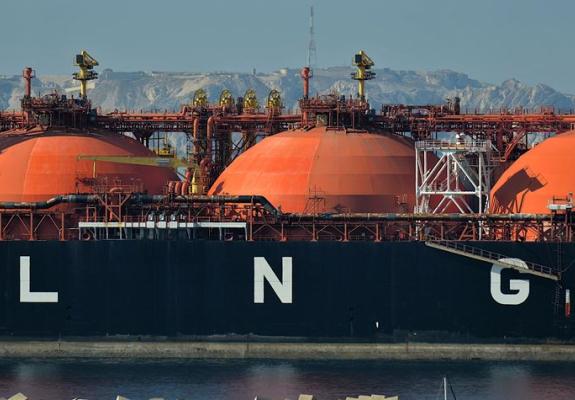
Beyond tax reform, AKEL also launched a sharp attack on the government’s energy policy, calling it “irresponsible” and warning that Cyprus is heading toward “complete energy chaos.” The party highlighted repeated delays and broken promises regarding the Vasilikos LNG terminal, which it considers the most strategic project for reducing electricity costs. According to AKEL, the absence of a backup plan, coupled with slow progress on infrastructure upgrades in Dhekelia and energy storage, has left households and businesses vulnerable to power cuts, inflated prices, and market distortions that benefit certain private renewable operators with excessive profits.