While Water Runs Short, Cyprus Lets Its Dams Fall Apart
Years of neglect, understaffing, and costly mismanagement in Cyprus’s dam system.
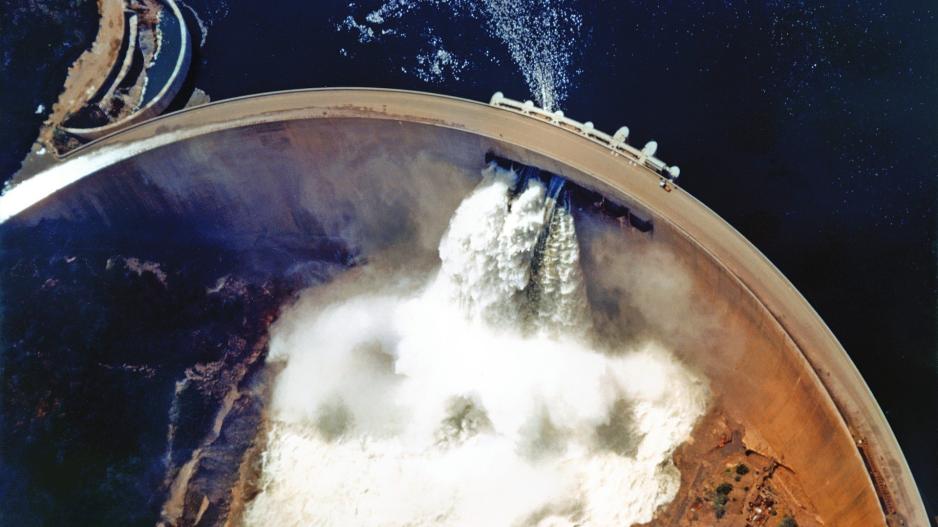
The maintenance and safety of Cyprus’ dams came under sharp scrutiny in Parliament today, with MPs warning that years of neglect, understaffing, and poor planning have left critical infrastructure vulnerable and communities at risk.
During a heated session of the House Audit Committee, officials from the Water Development Department (WDD) admitted that the dedicated dam maintenance unit had effectively ceased to exist after 2015, when the economic crisis led to a freeze on new hires. Many experienced staff retired or were reassigned, leaving just one engineer currently responsible for overseeing dozens of dams across the island. Although efforts are underway to rebuild the team, at least seven additional workers are urgently needed.
The absence of systematic maintenance has had serious consequences. The Mavrokolympos Dam in Paphos was drained earlier this year after damage to its infrastructure could not be repaired. Similar problems are reported at other sites, including Solea, where the lack of irrigation pipelines forces water to flow through open channels, leading to massive losses.
Audit Office representative Akis Kikas told MPs that inspections in recent years revealed long-neglected electromechanical systems, valves that had not been tested in years, and monitoring instruments that were simply abandoned. He stressed that Cyprus has some 15 private dams built outside legal specifications and warned that the Tamasos, Germasogeia, and Polemidia dams are among the most dangerous, calling for an immediate flood risk map and a comprehensive management plan.
Perhaps most controversially, Kikas highlighted a decade-old practice at the Electricity Authority’s desalination plant in Vasilikos. Around 60,000 cubic meters of drinking-quality water are produced daily, but in the absence of a dedicated pipeline, much of it is diverted into the southern conveyor system, mixing with untreated dam water before being sent again for filtration. “We are effectively paying twice for the same water,” he said, calling the system both inefficient and costly.
MPs across party lines expressed outrage. Committee chairman Zacharias Koulias (DIKO) called the situation “dramatic,” warning that failure to reinforce dam safety above populated areas could cost lives. “If, God forbid, a dam bursts, we will be mourning victims,” he said, demanding immediate government action.
Opposition AKEL’s Irene Charalambidou accused the Agriculture Ministry of a decade of inaction during worsening droughts. DISY’s Rita Superman pointed out that much of the necessary technical know-how has been lost as veteran engineers retired, while DIPA’s Alekos Tryfonides said the state had shown “no sensitivity” in rebuilding the dam safety unit, resulting in water losses and public risk.
The WDD defended its handling of specific cases, with Deputy Director Elena Phoinicaridou insisting that the Mavrokolympos Dam was not “lost for lack of seven workers,” and explaining that Solea farmers had arrears and lacked irrigation committees. Yet she admitted that institutional knowledge had been passed down only piecemeal because of the hiring freeze.
The Audit Office is expected to publish its full report on water resource management at the end of September. Until then, MPs have demanded a detailed staffing plan from the WDD and a maintenance report for all dams, pressing the government and the Agriculture Ministry to finally address what lawmakers are calling a “crisis of water governance.”