Illegal Use of Buildings Threatens Old Nicosia’s Heritage
Abandoned properties turn into cafés, shops, and rentals without permits, sparking safety concerns and accelerating the decay of historic city landmarks.
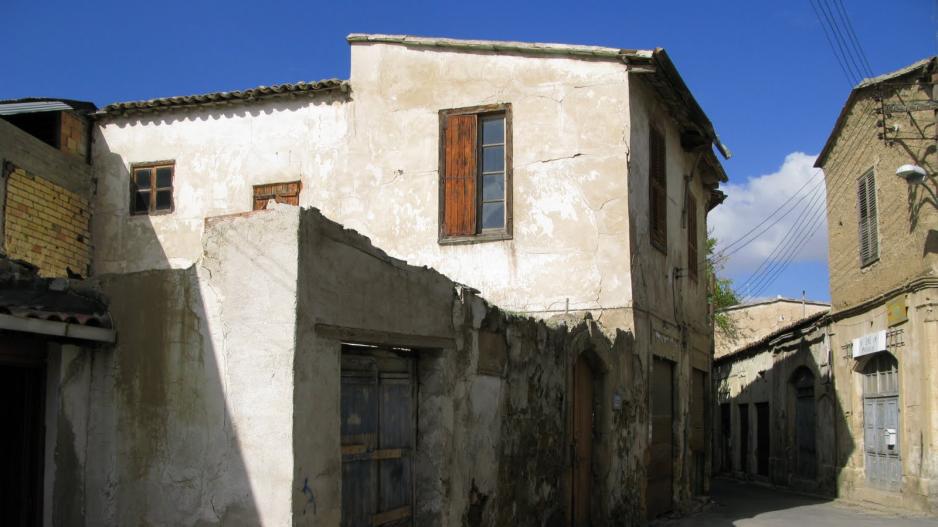
In the heart of Nicosia, the illegal use and exploitation of buildings has become a serious issue, often overlooked in the news. Abandoned properties, old shopping centers, or once-lived-in homes are now being occupied or used without permits by individuals, small businesses, or even vulnerable social groups.
Cafés open in historic buildings without inspections, shops operate without the required licenses, and some properties are converted into short-term rentals—raising concerns about safety and further deterioration.
“The problem is not only illegality, but also the threat to the memory of the city,” experts in cultural heritage protection tell Brief.
“Nicosia is known for its old buildings, many with historical or architectural value, requiring constant maintenance. When these properties are occupied illegally or misused, deterioration accelerates, leaving authorities in a daily struggle to keep up.”
The Scientific and Technical Chamber of Cyprus (ETEK) provides technical guidance for the maintenance and restoration of buildings, in collaboration with the Municipality of Nicosia.
ETEK runs awareness campaigns on the dangers of illegal use and proposes solutions that balance heritage protection and urban development. Its members conduct inspections, document buildings in critical condition, and draft proposals for their safe reuse.
Why doesn’t the Municipality of Nicosia proceed with expropriating such properties, many of which are unsafe?
Legal experts explain that if a property is to be expropriated, the Republic of Cyprus or the Municipality is obligated to compensate the owner in cash. If the owner is dissatisfied with the compensation, they may appeal to court for a higher settlement.
Such legal battles at the District Courts can become lengthy and complex, often taking years to resolve.
In practice, the process stalls for three key reasons:
-
Court disputes with owners, who often challenge compensation amounts or the legality of expropriation.
-
Bureaucratic delays, as reports and approvals must pass through multiple layers of review.
-
Limited municipal budgets, which are insufficient to cover the costly restoration of all endangered buildings.
The Ministry emphasizes that preserving and revitalizing historic buildings requires strategic planning, EU funding, and close cooperation with local authorities. However, it acknowledges that bureaucracy and scarce resources continue to slow down implementation.
The Municipality, ETEK, and cultural organizations stress the need for cooperation, aiming to transform historic buildings into active spaces for culture, entrepreneurship, and community life—keeping the memory of Nicosia alive while securing its future.