How the EU and Cyprus Protect Kids Online
Efforts to Shield Children from Digital Harm Gain Momentum Across Europe.
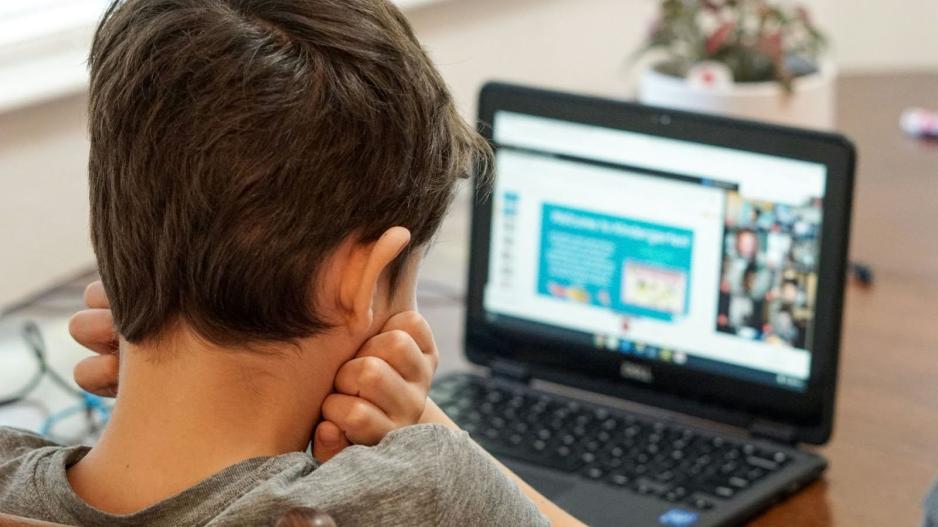
As technology keeps advancing at a rapid pace, it has become an integral part of our lives. The same goes for children who are born in this technologically advanced landscape. The European Union and its member states, including Cyprus, have stepped up efforts to create a safer online environment for young users. From being exposed to harmful content to data privacy concerns, the risks children face on the internet are real and evolving. In this article, we will go through the latest measures being taken at both EU and national level to protect minors in the digital space, and what it means for parents, educators, and policymakers in Cyprus.
While the internet offers incredible educational and social opportunities for children, it also poses serious risks. From cyberbullying and online predators to exposure to inappropriate content and addictive design features, children are especially vulnerable online. A growing body of research highlights the negative mental health impact of unregulated digital exposure, prompting EU institutions and governments across Europe to act decisively.
In response, the European Commission has placed child online safety at the epicenter of its Digital Strategy. The Better Internet for Kids (BIK) initiative and the 2022 EU Strategy for a Better Internet for Kids (BIK+) aim to provide children with age-appropriate digital experiences while equipping parents and educators with the tools they need to support and protect them.
One of the most significant policy shifts came with the introduction of the Digital Services Act (DSA), which was employed in 2023. The DSA includes specific provisions aimed at protecting minors, such as prohibiting targeted advertising based on children’s data and requiring major platforms to assess and mitigate systemic risks to young users.
Additionally, Cyprus has updated its own legal and regulatory framework to align with the DSA. The Cyprus Safer Internet Center (CySIC), which was co-funded by the European Union, has expanded its educational campaigns and introduced tools to report harmful or illegal content. Moreover, the Office of the Commissioner for the Protection of Personal Data continues to enforce the General Data Protection Regulation (GDPR), ensuring children’s personal information is handled with extra care.
As of 2025, Cyprus and the EU have introduced and implemented several protection measures for children navigating the digital world. These measures include:
-
Stronger Platform Accountability: Platforms like YouTube, TikTok, and Instagram are now required to assess how their algorithms and features affect underage users, while also giving them tools to manage their screen time and limit unwanted contact.
-
Age-Appropriate Design Code: The EU has introduced standards encouraging developers to design digital services with child safety in mind, including simplified privacy settings and transparent data policies.
-
Reporting and Support Tools: Cyprus has enhanced its national hotline and helpline systems, enabling children, parents, and educators to report harmful content or seek support in real-time, with the introduction of the 1480 hotline.
-
Digital Literacy in Schools: With support from the Ministry of Education, public and private schools in Cyprus have integrated digital citizenship into their curricula, teaching students how to recognize online risks and make responsible digital choices.
-
Parental Involvement: The Cypriot government has launched awareness campaigns aimed at educating parents on parental controls, age restrictions, and how to talk to their children about online safety.
For families living in Cyprus or anywhere in the EU, keeping up with the latest developments is key. After all, the tools and protection practices being introduced are only effective when used correctly. Parents are encouraged to:
-
Set up child-friendly privacy settings on all devices and apps.
-
Monitor screen time and talk regularly with children about the time they spend online.
-
Use parental control software and age-appropriate apps.
-
Contact local support services like CySIC if they suspect online abuse or harmful content.
The EU and Cyprus have made significant strides in recent years, but online child safety remains a challenging task that requires our undivided attention. As new technologies such as AI, immersive gaming, and virtual reality become more widespread and common, continued vigilance and cooperation are essential.
For now, Cyprus continues to align with EU-wide strategies, combining policy, education, and technology to create a safer online environment for children. With stronger legislation, better digital tools, and greater awareness among families and educators, the goal of a truly child-friendly internet is more attainable than ever.