RAM Prices Are Surging Again—and Cypriot Buyers Will Feel the Impact
AI data-centre demand tightens global memory supply, pushing hardware costs higher.
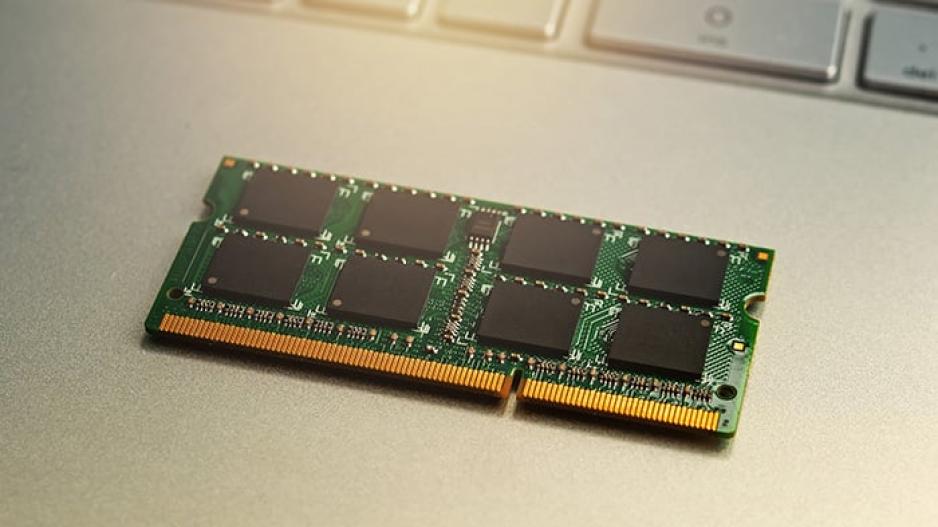
As 2026 begins, the global memory market is heating up again—fast. Industry trackers and major financial outlets are flagging a renewed squeeze in DRAM (the chips behind RAM), driven largely by the same force reshaping the entire computing stack: the AI data-center buildout.
The clearest signal is coming from contract markets—the prices large buyers pay in volume. TrendForce said conventional DRAM contract prices in Q1 2026 are forecast to rise by 55–60% quarter-on-quarter, while NAND flash prices are expected to increase by 33–38% QoQ. It also projects server DRAM pricing to jump by more than 60% QoQ, as hyperscalers lock in capacity and inventories tighten.
While retail RAM sticks don’t move in perfect sync with contract pricing, this kind of shift typically filters through—first to system integrators and OEMs, then to PC builders and, eventually, everyday buyers.
The current upswing is being widely linked to a structural change in where memory capacity is going. Reuters recently described an “unprecedented” supply crunch as demand for AI infrastructure accelerates, with chipmakers shifting focus toward high-bandwidth memory (HBM) and other server-grade products. In that context, availability tightens elsewhere, and prices rise across multiple memory segments.
The Wall Street Journal, meanwhile, points to a broader “memory shortage” dynamic extending beyond DRAM into storage—arguing that AI systems are driving extraordinary demand for both memory and data storage, while producers remain cautious about expanding capacity too aggressively because of the industry’s boom-and-bust history.
Spot indicators are also flashing higher. DRAMeXchange’s module spot-price board in early January showed week-on-week increases across multiple DDR5 categories (for example, DDR5 UDIMM 16GB listings showing a positive weekly change).
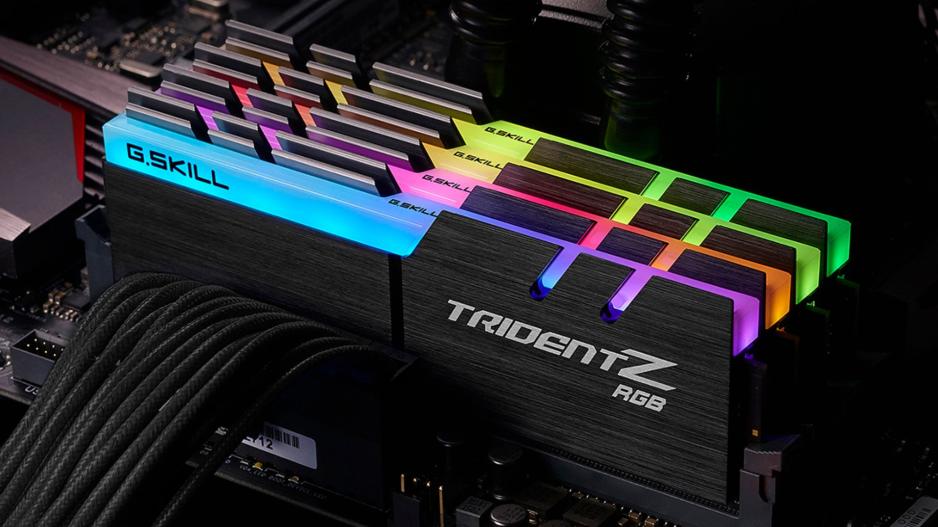
Rising DRAM prices rarely stay contained. They tend to push up total build costs for desktops and laptops, raise BOM costs for manufacturers, and increase server expansion budgets—especially for workloads that need high memory capacity per machine (virtualization, databases, AI inference, analytics).
Storage is part of the same story. If NAND flash contract prices rise sharply—as TrendForce forecasts—client SSD pricing pressure can follow, squeezing both consumer upgrade plans and enterprise refresh cycles at the same time.
For Cyprus consumers, the immediate effect is likely felt in upgrade timing and “value builds.” If RAM and SSD prices rise together, the traditional sweet spot for budget and mid-range PC builds shifts upward, and some buyers may delay upgrades—or compromise on capacity.
For businesses, it’s less about a single component and more about the compound effect: higher costs for new endpoints (laptops/desktops), higher costs for on-prem servers and storage expansions, and potentially firmer pricing from infrastructure providers if the cost base for memory-heavy systems keeps rising. And because Cyprus is a price-taker in global hardware supply chains, local retail pricing often reflects international moves with limited lag—especially for popular DDR5 kits and mainstream SSDs.
The key question for the next few months is whether the Q1 2026 contract-price shock becomes a broader, longer cycle. Some market commentary is already pointing in that direction. Reuters has cited analysts who believe the current upswing could extend for years, framing it as a “supercycle” driven by AI infrastructure demand.
At the same time, the memory market’s history matters: producers remember how quickly oversupply can erase profits, which is why they may prefer tightness (and higher prices) to a rapid capacity surge.