‘Enhanced Games’: The Olympics Where Steroids Are Welcome
A drug-friendly Olympics in Las Vegas promises million-dollar prizes, big names, and fierce backlash.
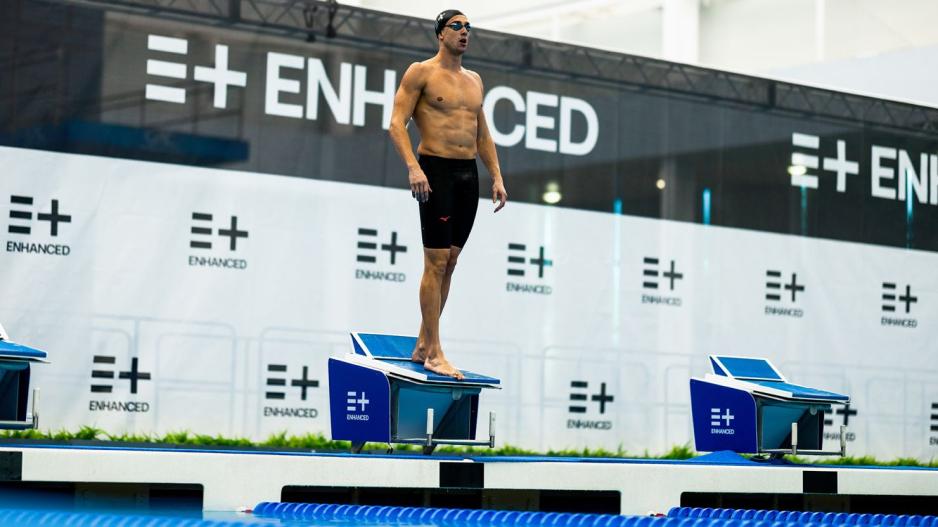
The Enhanced Games are a planned, Olympics-style competition that explicitly permits performance-enhancing drugs (PEDs). The first edition is slated for May 2026 in Las Vegas, with a program centered on sprinting, swimming and weightlifting, large appearance fees and record-bounty bonuses meant to lure elite talent. Organisers pitch it as “sport reinvented by science”; critics call it dangerous and unethical.
Unlike Olympic sports regulated by the World Anti-Doping Agency, the Enhanced Games will not conduct drug testing. Athletes may use substances legal in the United States and prescribed by licensed doctors. Reported examples include testosterone, growth hormone, and certain anabolic steroids, while illicit drugs such as cocaine will remain banned.
The financial incentives are significant. Organizers have announced prize money of roughly $500,000 per event, alongside a $1 million bonus for breaking selected world records. The model is designed to attract elite athletes who see financial and competitive upside outside traditional sport structures.
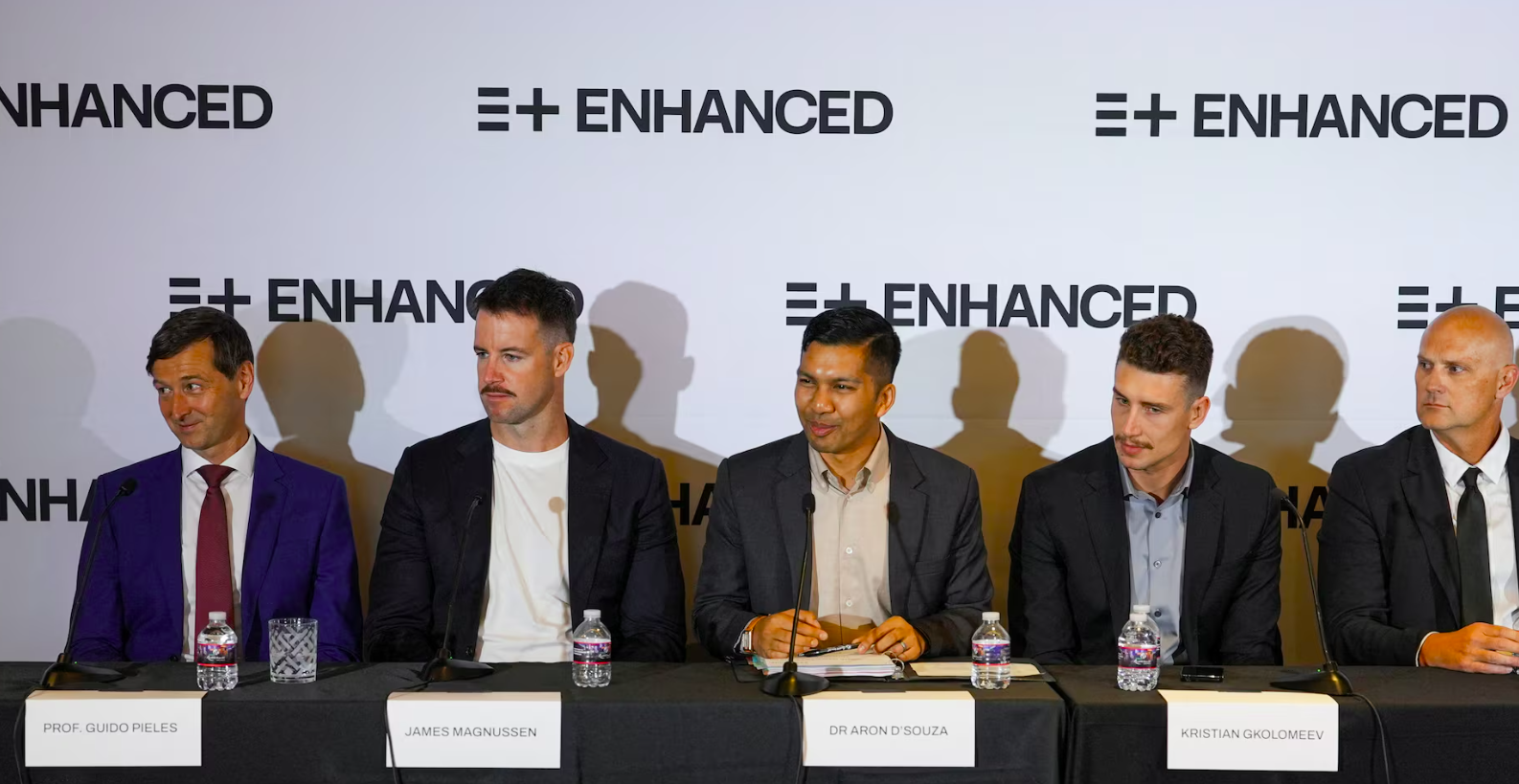
The project is spearheaded by Australian entrepreneur Aron D’Souza under the company Enhanced. Early seed funding came from tech investors including Peter Thiel and Balaji Srinivasan. In 2025, a Series B funding round co-led by 1789 Capital, linked to Omeed Malik, Chris Buskirk, and Donald Trump Jr., further fueled the venture.
Las Vegas Launch in 2026
Las Vegas has been confirmed as the inaugural host city. Scheduled for Memorial Day weekend in May 2026, the event will feature a compact, television-oriented program rather than a multi-week format. The focus will be on “record-ready” events—sprinting, swimming, and weightlifting—that deliver clear, measurable results.
Athlete Signings and High-Profile Refusals
The Enhanced Games have already attracted big names. U.S. 100m world champion Fred Kerley has signed on, framing the event as his best opportunity to chase Usain Bolt’s 9.58 world record and secure financial bonuses, despite his suspension in the conventional system.
However, not all stars are convinced. Australian Olympic champion Kyle Chalmers revealed he rejected what his team called a “life-changing” offer, prioritizing his eligibility for national and Olympic competition instead.

Pushback from Federations and Anti-Doping Bodies
Resistance has been fierce. World Aquatics announced in June 2025 that any athlete, coach, or official participating in the Enhanced Games would be barred from its sanctioned competitions. Athlete commissions affiliated with the IOC and WADA have also condemned the project, citing health risks and the erosion of fair play.
In response, Enhanced has launched an antitrust lawsuit in U.S. federal court, seeking hundreds of millions in damages. The claim argues that sports federations are unlawfully coercing athletes to boycott the new league. If the case advances, it could reshape the legal boundaries of athlete choice, competition law, and global sports governance.
The Enhanced Games represent a bold experiment: can a medically supervised, openly drug-permitted circuit rival the Olympics and draw major talent? Supporters argue it could showcase faster performances and greater spectacle. Critics counter that normalizing PED use risks long-term athlete health, pressures young competitors into chemical escalation, and undermines the integrity of sport.