How Musk’s Alliance with Trump Wrecked Lives, Agencies, and His Own Reputation
Elon Musk promised reform, delivered chaos, and left D.C. scorched — as his toxic breakup with Trump spirals into scandal, lawsuits, and global outrage.
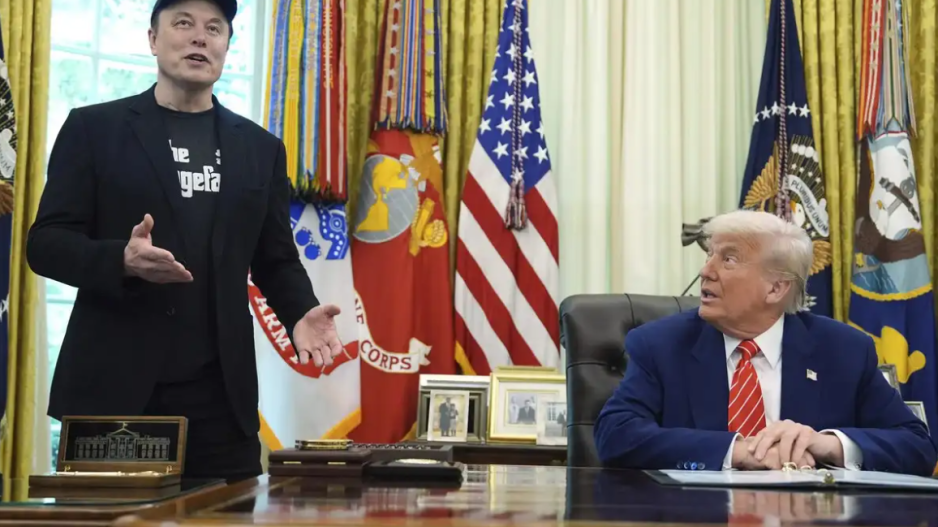
The once-hyped partnership between Elon Musk and Donald Trump has collapsed spectacularly — and the damage reaches far beyond political headlines. Musk’s chaotic reign as the de facto “efficiency czar” of the Trump administration ended in public disgrace, following his abrupt exit from Washington amid a wave of accusations, lawsuits, and devastating fallout.
What was sold as a bold vision for smaller, smarter government quickly devolved into what critics call a hallucinatory purge — one that left children starving, agencies gutted, and federal workers traumatized. As Musk returns to a crumbling empire of electric vehicles, rockets, and satellites, his brief, brutal political experiment leaves a legacy of dysfunction.
The Trump–Musk alliance, once forged in Silicon Valley donations and White House ceremonies, unraveled under the weight of mutual ambition and ego. Musk’s promise to “upgrade” government through his ironically titled Department of Government Efficiency delivered nothing but catastrophic layoffs, shutdowns, and canceled global aid.
By Thursday, the two were locked in open warfare. Musk accused Trump of ingratitude and floated forming a centrist political party. Trump retaliated by threatening to revoke federal contracts — just as Tesla stock tanked 14%, and Trump’s meme-based cryptocurrency followed suit.
While the public watched a billionaire-president bromance collapse in real time, government insiders painted a darker picture: the scorched-earth tactics Musk employed left deep institutional scars.
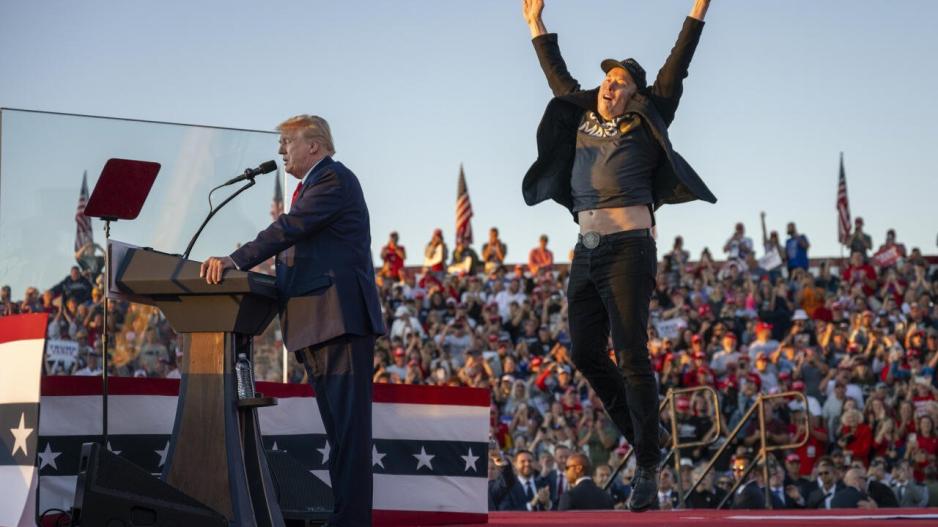
Musk’s so-called reforms amounted to a digital-age chainsaw massacre. Under his direction, entire departments — including those protecting nuclear infrastructure and combating pandemics — were eliminated or gutted. Agencies like FEMA, OSHA, and USAID were left paralyzed. According to internal FEMA reports, the agency is “not ready” for the upcoming hurricane season after losing nearly 30% of its staff.
The Department of Labor’s workplace safety branch, OSHA, which had investigated multiple Musk-run companies for violations, was hollowed out via mass firings and enforced attrition. Employees were locked out of systems, publicly humiliated, and dismissed without notice.
Musk’s libertarian fantasy quickly became a humanitarian nightmare. Canceled USAID programs left children without medication, food programs vanished, and foreign disease prevention efforts were terminated. According to global health researchers, Musk’s actions may have already contributed to over 300,000 deaths, mostly among children in the Global South.
What once looked like a powerful partnership — one in which Trump praised Musk as a historic innovator and handed him ceremonial keys to the White House — has turned into a reputational disaster. After Musk spent $20 million trying to elect a Trump-endorsed judge in Wisconsin, the result backfired: Democrats surged to the polls in protest.
According to GOP operatives, Musk became a political liability. “People hate him,” said one insider to the Washington Post. “You can’t buy votes with cheese hats and cringe.”
Musk’s retreat included a failed PR tour, awkward interviews, and self-pitying statements blaming D.C.’s political machinery. But no spin could disguise the trauma left behind. A report from the Partnership for Public Service estimated Musk’s firings, rehirings, and administrative chaos could cost the government upwards of $135 billion this fiscal year alone.
While Musk scorched Washington, his main company, Tesla, suffered collateral damage. The Cybertruck, heralded as a next-gen utility vehicle, is now considered the “Edsel of the 21st century.” Sales plummeted. Dealerships became protest zones. Tesla’s global market share has eroded, especially against Chinese rival BYD.
Even as Musk’s political persona unraveled, the State Department controversially agreed to purchase $400 million worth of armored Cybertrucks — a move many see as conflict-ridden and authoritarian in purpose, possibly linked to Trump’s floated invocation of the Insurrection Act.
Though Musk claimed to shrink government spending, his firms received $6.3 billion in 2024 alone, and over $13 billion in the last five years. Critics argue he exploited public funds while publicly dismantling the very systems that made those contracts possible.
Musk’s departure leaves behind a network of loyalists embedded in federal offices — many aligned with the far-right Project 2025 agenda. Russel Vought, a Christian nationalist and advocate of expanded executive power, now leads Musk’s legacy agency, Doge, and has expressed open hostility toward government workers, suggesting he hopes they’re left in trauma.
Vought may attempt to use impoundment powers — illegal under the 1974 Impoundment Control Act — to withhold Congressionally-appropriated funds. Meanwhile, concerns mount over surveillance abuses, as Doge-linked figures reportedly plan to create massive citizen databases and target immigrants using sensitive government data.
Musk, critics argue, wielded real governmental power without accountability. That power, even as he exits, is still active — with uncertain reach.
The end came during a bizarre press event in the golden-hued Oval Office, where Trump awkwardly praised Musk’s “service” while avoiding questions about drug use allegations reported by the New York Times. Dressed in all black, Musk dodged queries about his erratic behavior and bizarre ketamine-fueled decision-making.
Trump, more interested in securing the remaining $100 million Musk pledged to his campaign, downplayed the feud — even as their political divorce became irreparable. “He helped detect fraud,” Trump lied, while promoting new tariffs expected to add $2.3 trillion to the deficit — erasing any supposed savings from Musk’s cuts.