UK Begins Nationalisation Plan as First Rail Company Returns to Public Ownership
"Everyone in the industry knows that privatisation hasn’t worked and still doesn’t work."
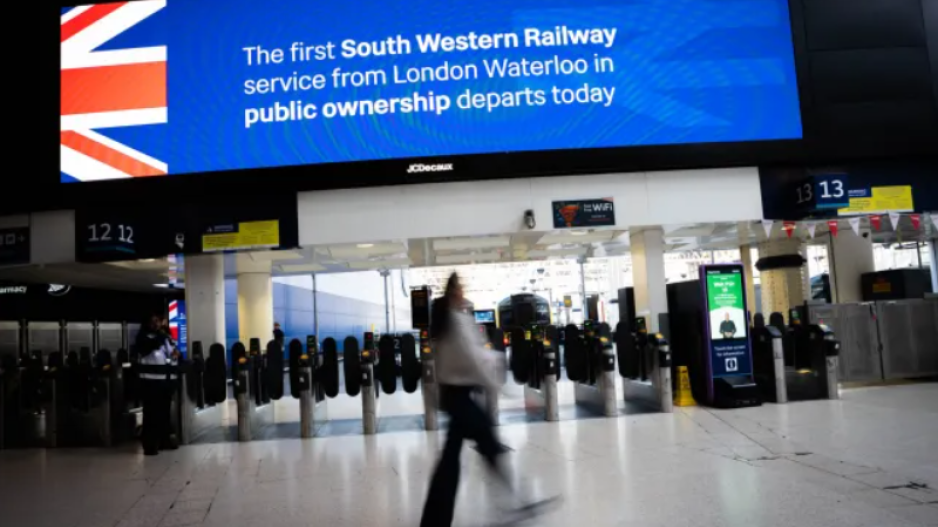
South Western Railway, operating in southwest England, became the first rail company to return to public ownership under the UK government's plan to renationalise the railway sector.
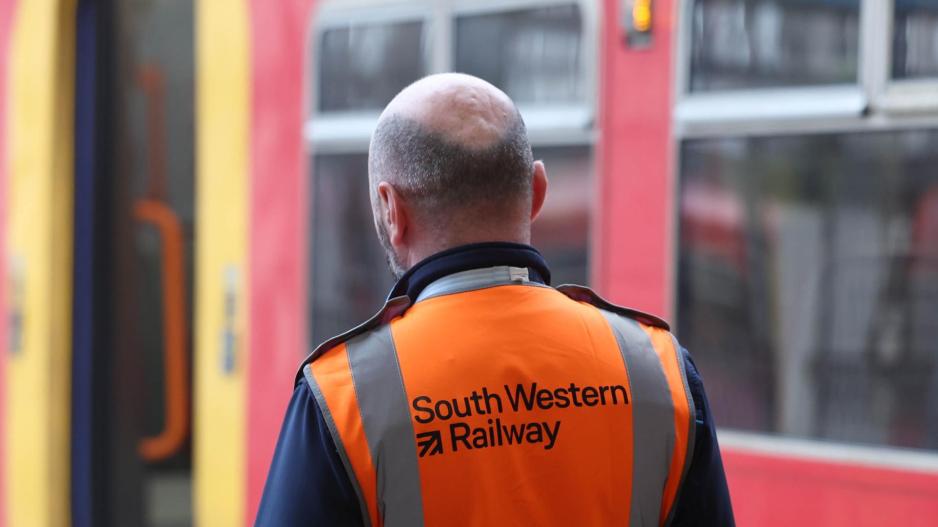
All rail companies in Britain are expected to come under public control by the end of 2027. The reform was announced following the Labour Party’s return to power last July, ending 14 years of Conservative rule.
"South Western Railway is now publicly owned. And this is just the beginning," Prime Minister Keir Starmer wrote on X. "This will mean better services, a simpler ticketing system, and more comfortable trains," he added.
The privatisation of the UK’s railways began in the mid-1990s under Prime Minister John Major, continuing the pro-market policies initiated by Margaret Thatcher in the 1980s.
"This marks a new era for Britain’s railways," said Transport Secretary Heidi Alexander, who boarded the 06:14 train departing London Waterloo. "We’re leaving behind 30 years of inefficiency and delayed services," she stated.
Despite promises of improved services, significant investments, and reduced public spending, the privatisation project remained widely unpopular. It was criticised by trade unions, opposition parties, segments of the Conservative Party, and large parts of the public.
While initial passenger numbers and investment levels rose, a 2000 derailment caused by minor rail fractures—killing four people—shocked the public and raised concerns over safety and management.
Since then, service disruptions and delays became routine, and complaints about rising fares intensified.
Over time, the railway infrastructure was brought back under public ownership through Network Rail. In recent years, four of England's fourteen rail companies have returned to public control due to poor performance. However, these moves were initially framed as temporary measures before a potential return to private operators.
In late November, the government secured parliamentary approval for legislation mandating the renationalisation of rail operators at the end of their contracts—or earlier in cases of mismanagement—so they can be integrated into the newly formed Great British Railways.
This phased transition avoids the financial burden of compensating private operators. All contracts are set to expire by 2027.
Railway unions—who have organised repeated strikes in response to the cost-of-living crisis driven by inflation—welcomed the return to public ownership.
"Everyone in the industry knows that privatisation hasn’t worked and still doesn’t work," said Mick Whelan, General Secretary of the train drivers’ union Aslef.
Bringing companies back under state control "ensures that services are managed in the interest of passengers, not shareholders," noted Transport Secretary Alexander. However, she cautioned that solving the "structural problems" hindering the railway network will take time.
In December, the government announced that South Western Railway would be the first operator to return to public hands. It will be followed by c2c on July 20 and Greater Anglia on October 12.
A newly established public operator is now managing South Western Railway until its full integration into Great British Railways once the organisation is officially launched.