Sharp Decline in Asia – Kospi Plunges 7.5% in Seoul as Oil Prices Surge
South Korea’s Market Suffered the Heaviest Losses.
Asian stock markets came under intense pressure during today’s session, as the latest escalation of tensions in the Middle East sent oil prices sharply higher and revived fears of renewed inflation and tighter monetary policy from major central banks.
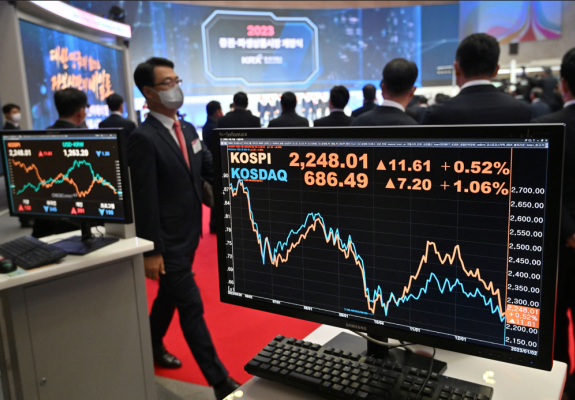
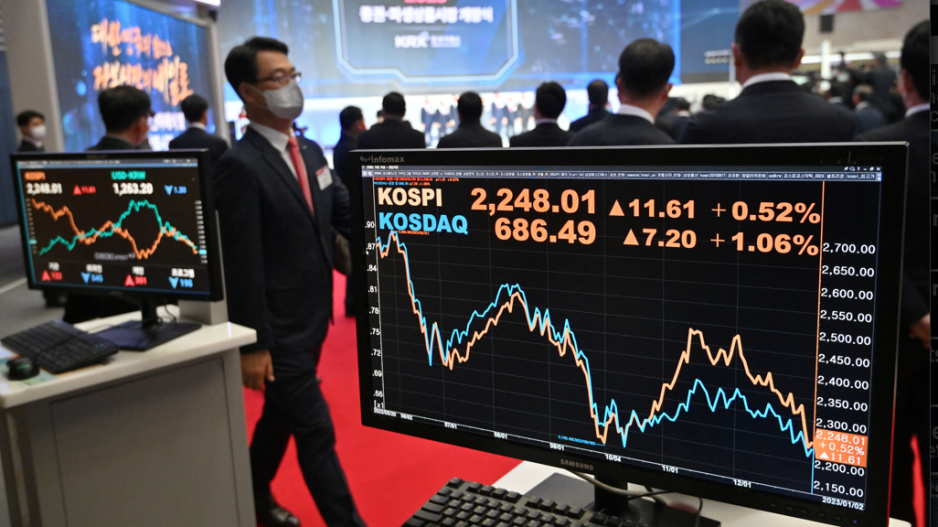
South Korea’s market suffered the most severe blow, with the Kospi index falling 7.53%, as investors carried out widespread sell-offs in semiconductor and artificial intelligence stocks.
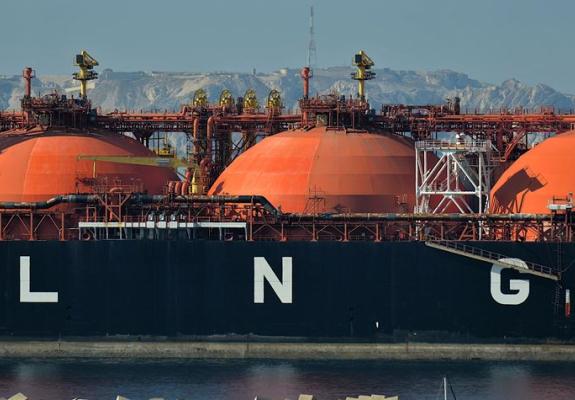
Markets reacted strongly to developments surrounding the Strait of Hormuz, as the military escalation between the United States and Iran intensified concerns about possible disruptions to one of the world’s most important oil transportation routes.
The risk-off sentiment strengthened, pushing the dollar and US Treasury yields higher, while equities and other higher-risk assets came under pressure.
Brent crude futures gained more than 4%, reaching $79.11 per barrel, while US West Texas Intermediate crude recorded a similar increase to $74.37 per barrel. The rise intensified concerns that higher energy prices could reignite inflation globally.
Losses were also recorded across most of the region’s other major markets.
The Nikkei 225 fell 2.15% to 67,084.41 points, while the Shanghai Composite declined 1.95% to 3,918.28 points. Hong Kong’s Hang Seng edged up 0.05% to 24,186.35 points.
India’s Sensex fell 0.28% to 77,355.91 points, while Singapore’s stock market declined 0.27% to 5,454.40 points.
Pressure also extended to India, as investors assessed the potential impact of higher oil prices on inflation and the country’s current account balance.
The heaviest pressure was seen in Seoul, where the Kospi dropped 7.53%, moving deeper into bear-market territory after losing more than a quarter of its value from its June highs.
Major semiconductor manufacturers were at the center of the sell-off. SK Hynix fell by around 10%, while Samsung Electronics declined by more than 6%.
The two companies account for almost half of the South Korean stock market’s total capitalization, significantly worsening the overall performance of the index.
The losses followed a decline of nearly 8% during the previous week, as concerns grew that the valuations of companies associated with artificial intelligence had reached particularly high levels after a months-long rally.
Analysts note that South Korea’s stock market has become a key indicator of investor sentiment towards the artificial intelligence sector.
Although corporate earnings forecasts continue to improve, questions are increasing over whether the current pace of investment in AI infrastructure can be sustained.
Bank of America analysts recently warned that the artificial intelligence investment boom is beginning to restrict the free cash flow of the world’s largest technology groups, as cloud service providers are expected to spend a combined total of approximately $234 billion in 2026.
Despite the sharp correction, the Kospi remains the best-performing major stock market internationally in 2026.
Before the latest decline, the index had gained approximately 63% since the beginning of the year, supported by rising memory-chip prices and strong demand for advanced semiconductors used in artificial intelligence applications.
The rise in energy prices also pushed US government bond yields higher and strengthened the dollar, as markets increased their bets that the US Federal Reserve could introduce another interest-rate increase if higher oil prices feed into inflation.
Investor attention is now turning to US inflation data, the Producer Price Index and retail sales figures due to be released during the week.
Markets are also awaiting Federal Reserve Chair Kevin Warsh’s first testimony before Congress, which is expected to provide indications about the direction of monetary policy.
Meanwhile, gold failed to perform its traditional role as a safe-haven asset.
Higher bond yields and a stronger dollar outweighed geopolitical uncertainty, with the spot price of the precious metal falling by more than 1% to approximately $4,059 per ounce.
Silver, platinum and palladium also moved lower.
Investors remain focused on developments in the Strait of Hormuz, as any prolonged disruption to shipping could restrict the global energy supply, intensify inflationary pressures and increase volatility across international equity, bond and commodity markets.
Source: newmoney.gr