Oil Prices Surge Following New US Strikes on Iran – Brent Nears $80
Markets Fear Further Disruptions to Global Energy Supplies, While Analysts Warn That Prices Could Reach $100 per Barrel. European Natural Gas Prices Are Also Rising.

Oil prices are recording strong gains on international markets following a new wave of US strikes against Iran and the further escalation of tensions surrounding the Strait of Hormuz. Washington and Tehran continue to disagree over whether the strategically important maritime route remains open to international shipping.
Brent crude climbed above $79 per barrel, extending the rally that began the previous week, when it gained more than 5%. US West Texas Intermediate crude was trading close to $74 per barrel.
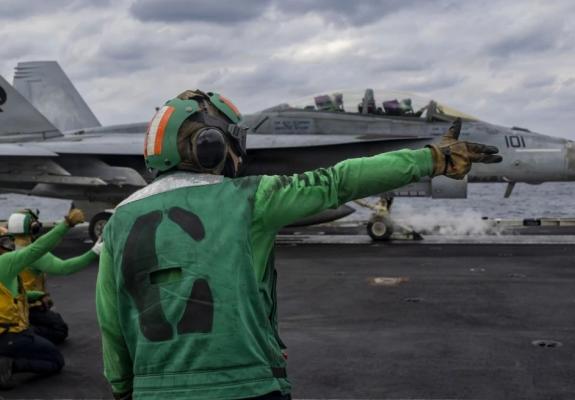
The US Central Command, CENTCOM, announced that it had carried out a new series of strikes on Sunday against dozens of targets in Iran. According to the statement, the operation aimed to limit Tehran’s ability to attack commercial vessels travelling through the Strait of Hormuz.
Iran, meanwhile, had announced that the strait would remain closed “until further notice” and launched missile and drone attacks against US allies in the Middle East, including Jordan and Qatar. Kuwait also reported that an offshore drilling platform had been damaged in an attack.
The renewed crisis has brought the so-called “war premium” back into oil prices, reversing part of the decline recorded in May and June following a temporary de-escalation agreement between the United States and Iran.
The International Energy Agency had already warned that the renewed tensions threatened to derail efforts to replenish global oil inventories, increasing the risks facing the global economy.
“The situation is clearly escalating, but it is still some distance away from a full-scale war,” said MST Marquee energy analyst Saul Kavonic.
According to Kavonic, oil prices are likely to continue rising for as long as military attacks persist and passage through the Strait of Hormuz remains restricted.
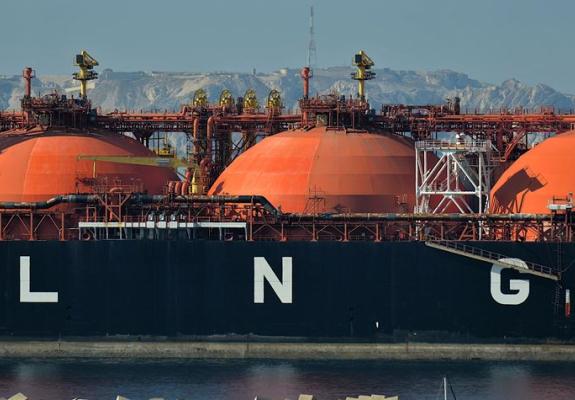
Commercial traffic through the Strait of Hormuz, which handles approximately 20% of the world’s oil and liquefied natural gas flows, was almost non-existent on Monday, continuing the sharp slowdown that began the previous week.
Nevertheless, the Joint Maritime Information Center reported that the southern shipping corridor, coordinated by Oman, remains available for vessels.
European natural gas prices also rose, with futures contracts gaining as much as 2.7%, following an increase of almost 8% during the previous week.
On Monday, the price was trading at approximately €49.4 per megawatt-hour, after recording losses during the previous trading session.
The renewed escalation is reducing the likelihood of meaningful negotiations resuming.
Iran’s chief negotiator, Mohammad Bagher Ghalibaf, said that “the era of unilateral agreements is over”, stressing that Washington must honor its commitments concerning the Strait of Hormuz and the restoration of Iranian oil exports before negotiations can restart.
US President Donald Trump reiterated that the ceasefire had now ended, although he left open the possibility of further negotiations.
Analysts warn that the attack on the Kuwaiti drilling platform represents the first direct strike on energy infrastructure in several weeks.
Should the conflict spread to energy production and export facilities across the Persian Gulf region, oil prices could climb towards $100 per barrel, according to Kavonic.
In the period preceding the latest escalation, Gulf producers such as the United Arab Emirates had increased their exports following the temporary easing of tensions.
They reportedly also used tankers operating with their tracking transponders switched off in an effort to reduce the risks facing their energy exports.
Source: newmoney.gr