Black Friday: Why Cyprus Shoppers Left Empty-Handed
Weak discounts and poor practices deepen frustration among consumers and retailers.
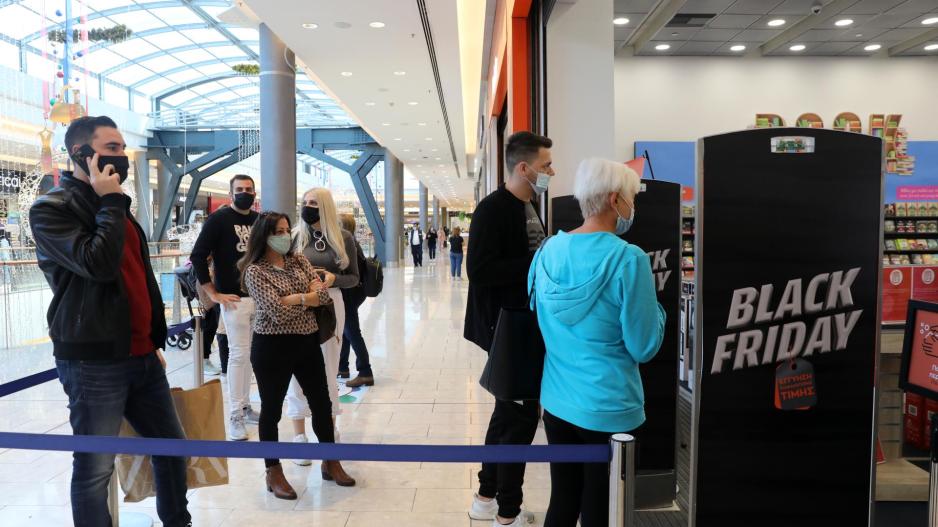
This year’s Black Friday was more organised, but ultimately felt like a normal shopping day. Consumers saw few meaningful discounts, queues were absent, and retailers and shoppers alike say the event continues to decline due to its poor implementation in Cyprus.
Industry representatives said that the market showed no surprises and no major price cuts that would justify the occasion.
POVEK General Secretary Stefanos Koursaris says Black Friday was “more contained,” without early launches that undermined past events. Still, discounts stayed around 20–30%—similar to year-round promotions.
“There were no enticing offers,” he notes, adding that bigger discounts applied mostly to older stock, something consumers noticed. Major chains kept new products off the list ahead of Christmas.
Although shopping activity rose because “people had just been paid,” he stresses that constant year-round promotions have weakened the purpose of official sale periods.
“Anyone can launch clearance sales whenever they want,” he says.
POVEK again highlights the need for defined sale periods. “In 17 European countries, timelines are fixed. In Cyprus, the current tolerance leads to misleading practices and stock shortages,” Koursaris says.
He adds that large malls create unfair competition due to better infrastructure, parking and promotional reach. Even so, small and medium businesses invest in specialisation, personal service and online sales to keep their customers.
Ahead of Christmas, he urges retailers “to be honest,” stressing that “genuine discounts preserve a store’s credibility.”
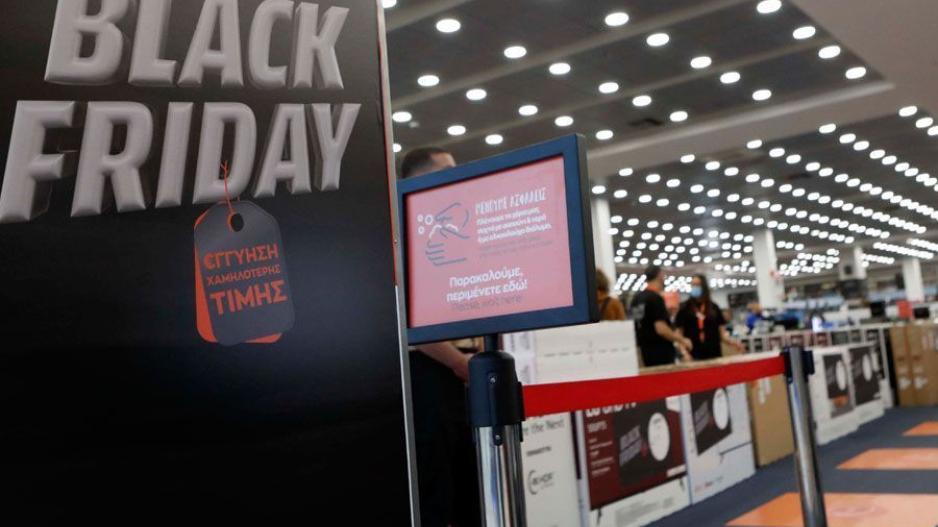
Consumer Association President Marios Droushiotis offers a slightly different view, saying this year’s Black Friday was “better than last year’s.”
At a large tech store, the Association recorded that, within one hour, only 30 of 135 customers left with a shopping bag—one in three.
Some customers left quickly after failing to find the model they wanted, while others simply browsed.
The Association recorded 6–8 complaints, half about “increased prices” on the discount day. The rest concerned items bought shortly beforehand that were not eligible for exchange once their price dropped—something not covered by law.
Droushiotis believes retailers are to blame for the decline: many applied discounts only to selected products, leaving new arrivals out.
To make the event useful, he says larger discounts, fewer misleading practices and stronger reliability are needed.
Droushiotis advises consumers not to buy anything they do not need—“even if it’s free”—and to compare prices before purchasing.
“Sometimes the supposed discounted price is higher than another store’s normal price,” he warns.