Record Air Traffic in Cyprus, but Controllers Warn of Delays Due to Staffing Crisis
Cyprus struggles with lack of trained controllers.
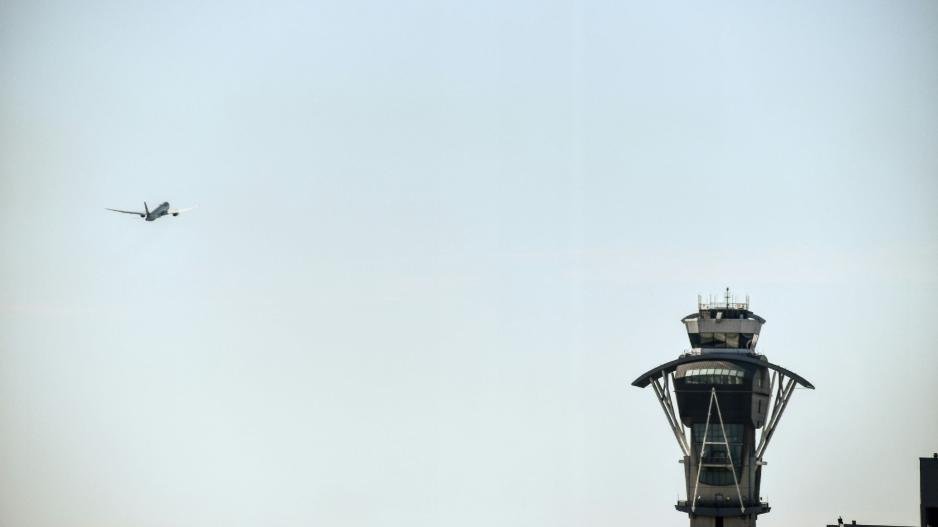
Cyprus recorded unprecedented air traffic in 2025, with record numbers of flights handled through the Nicosia Flight Information Region (FIR) and at both Larnaca and Paphos international airports. However, the country’s air traffic controllers are now sounding the alarm over serious staffing shortages that could soon lead to flight delays and harm Cyprus’s aviation reputation.
In a statement, the Pancyprian Union of Air Traffic Controllers praised its members for maintaining “safe and delay-free operations” throughout a challenging summer season marked by intense regional geopolitical pressures. The union also reported receiving congratulations from EUROCONTROL, the European organization responsible for air navigation safety, for their performance.
According to EUROCONTROL’s 2025–2031 forecast, Cyprus is projected to experience the highest increase in air traffic across Europe over the next five years — surpassing even Greece, due in part to rising travel demand linked to Israel’s recovery.
Yet, despite this optimistic outlook, Cyprus faces a critical manpower gap. The union estimates that at least 50 new air traffic controllers are needed to replace upcoming retirements and meet the growing workload. So far, only 15 positions are expected to be announced, with no timeline for the remaining vacancies.
The delay in recruitment approvals, despite repeated appeals by the Department of Civil Aviation to the Ministry of Finance and the Department of Public Administration and Personnel, could have long-term consequences. “Even if all positions were approved tomorrow, it would be impossible to train all new controllers simultaneously and assign them to control units,” the union warned, adding that “the damage has already been done.”
The Union is urging authorities to approve all pending positions without further bureaucratic delays, stressing that air traffic management is a “dynamic operation requiring immediate and flexible decision-making.” Without swift action, the union cautions that Cyprus risks falling behind in efficiency and safety standards at a time when traffic volumes are expected to soar.